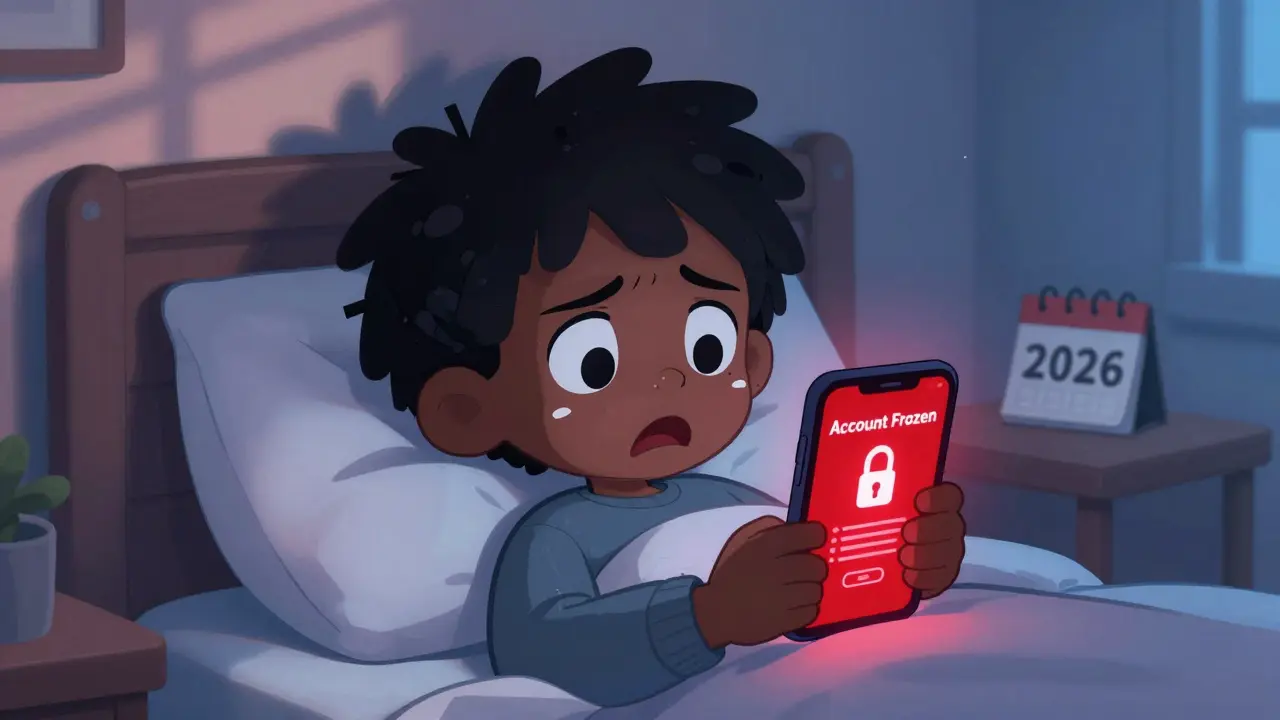
Imagine waking up to find your bank account frozen and millions of Naira locked inside a crypto platform you can’t access. This isn’t a hypothetical nightmare; it’s the daily reality for thousands of Nigerians who ignored the regulatory shifts that swept through the country in 2025. If you are trading crypto in Nigeria today, the old rules no longer apply. The landscape has changed dramatically with the implementation of the Investments and Securities Act (ISA) 2025, which effectively criminalized the use of unlicensed platforms.
You might think you’re being smart by using popular global giants like Binance or Bybit because they offer lower fees or more coins. But in Nigeria, popularity doesn’t equal safety anymore. In fact, it often equals danger. The Securities and Exchange Commission (SEC) now holds the power to freeze assets and seize property from anyone trading on unauthorized platforms. This guide cuts through the noise to tell you exactly which exchanges to avoid, why they are risky, and how to verify if a platform is actually safe for your money.
The New Legal Reality: Why Unlicensed Exchanges Are Dangerous
To understand which exchanges to avoid, you first need to understand why they are dangerous. Before 2025, Nigeria’s crypto market was a bit of a wild west. The Central Bank of Nigeria (CBN) had previously banned banks from facilitating crypto transactions, but reversed this stance in late 2023. However, the real game-changer was the ISA 2025. This law officially recognized cryptocurrency as securities under the oversight of the SEC.
Here is the hard truth: any exchange operating in Nigeria without an SEC license is operating illegally. When you trade on these platforms, you have zero legal protection. The SEC has the authority under Section 134 of the ISA 2025 to impose administrative cautions, place liens on assets, and seek forfeiture of property for entities operating illegally. More importantly for you, the Economic and Financial Crimes Commission (EFCC) actively targets bank accounts linked to these illegal trades.
In September 2024 alone, the EFCC froze 22 bank accounts worth ₦548.6 million (about USD 330,000) linked to USDT trading on Bybit and KuCoin. These were not small amounts; they were life savings for many traders. The message from regulators is clear: if the exchange isn’t licensed, your money is at risk of being seized without recourse.
Top Crypto Exchanges to Avoid Right Now
Based on current enforcement actions and regulatory warnings, here are the specific platforms you should steer clear of if you are a Nigerian resident. These platforms have either been explicitly warned by the SEC or have caused widespread account freezing incidents among Nigerian users.
- Bybit: Once a favorite for its user-friendly interface, Bybit has faced severe scrutiny. The EFCC directly linked frozen funds to Bybit transactions in late 2024. Without a local Nigerian legal entity and SEC license, your funds are vulnerable to immediate seizure if flagged by automated monitoring systems.
- KuCoin: Similar to Bybit, KuCoin operates without the necessary SEC authorization. Users have reported losing access to millions of Naira after their bank accounts were frozen due to P2P transactions conducted via KuCoin. The lack of local incorporation means there is no Nigerian office to appeal to when things go wrong.
- Binance P2P: While Binance has a global reputation, its P2P service in Nigeria has become a high-risk zone. The SEC has publicly warned against using digital asset exchanges without proper licensing. Many Nigerians rely on Binance P2P for buying and selling, but this activity accounted for a significant portion of the problematic transactions flagged by the EFCC in Q3 2024. The peer-to-peer nature makes it harder for regulators to trace clean money flows, leading to aggressive freezes.
- Unverified International Platforms: Any exchange based offshore (like those registered in Seychelles or Malta) that does not display a valid SEC license number is off-limits. These platforms often lack the robust Anti-Money Laundering (AML) controls required by the CBN, making them magnets for fraud investigations.
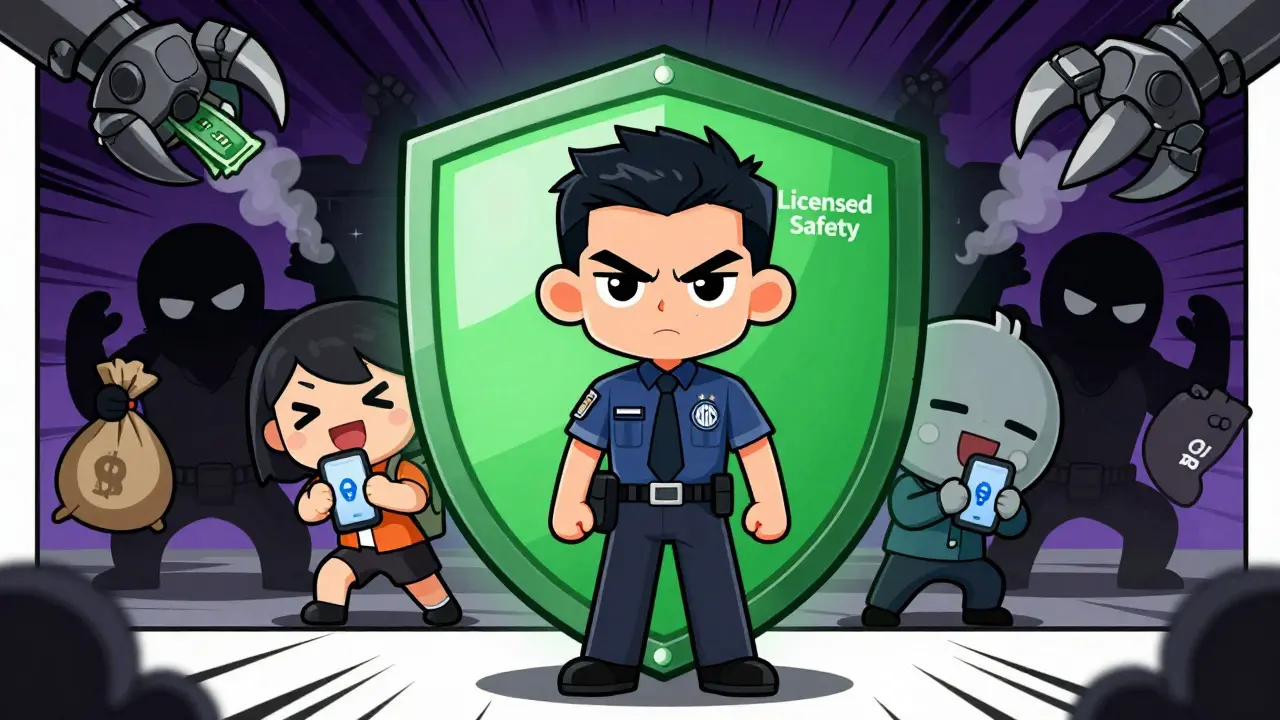
The Hidden Costs of Using Unlicensed Platforms
You might be tempted to ignore these warnings because unlicensed exchanges often charge lower fees-averaging 0.15% compared to 0.25% on licensed platforms. It feels like a good deal until you factor in the hidden costs.
First, there is the risk of total loss. A survey by the Blockchain Association of Nigeria found that 67% of Nigerians who used unlicensed exchanges experienced at least one account freeze. Compare that to just 3% for users of licensed platforms. That is an 87% higher risk of having your money stuck. Second, consider the time cost. Recovering frozen funds is a nightmare. One user on Reddit documented losing access to ₦2.4 million, taking 47 days and 12 visits to EFCC offices to recover only 63% of his funds. Can you afford to lose half your capital and spend weeks running between government offices?
Furthermore, unlicensed exchanges cannot integrate properly with Nigerian banking infrastructure. They force you into risky P2P transactions. According to Chainalysis data, P2P transactions accounted for 92% of Nigeria's crypto volume in 2024, but 78% of problematic transactions flagged by the EFCC were unregulated P2P trades lacking proper KYC verification. You are essentially gambling with your financial stability every time you transact.
Safe Alternatives: Who Holds the License?
If you want to trade safely, you need to stick to platforms that have gone through the rigorous vetting process. As of mid-2026, only two major exchanges have received full SEC licensing approval: Quidax and Busha.
| Feature | Licensed (Quidax/Busha) | Unlicensed (Bybit/KuCoin) |
|---|---|---|
| SEC License Status | Verified (e.g., SEC/CRP/2025/001) | None / Operating Illegally |
| Bank Account Freeze Risk | Very Low (3%) | Very High (67%+) |
| Consumer Protection | Up to ₦50 million insurance per account | None |
| Naira Settlement | Integrated (₦1 minimum deposit) | Risky P2P only |
| Legal Entity in Nigeria | Yes (CAC Registered) | No (Offshore Shell Companies) |
| Average Transaction Fee | ~0.25% | ~0.15% |
These licensed platforms offer integrated Naira settlement, meaning you can deposit and withdraw directly through secure banking channels without relying on sketchy P2P deals. They also provide SEC-mandated insurance coverage of up to ₦50 million per user account. While their fees are slightly higher, the peace of mind and legal protection are worth every kobo. Quidax operates as 'Quidax Technologies Limited' (RC1782456) and Busha as 'Busha Fintech Limited' (RC1834562), both fully incorporated in Nigeria.
How to Verify an Exchange Yourself
Don’t just take my word for it. You can verify the status of any exchange yourself using simple steps. The SEC maintains an official registry at sec.gov.ng/crypto-exchanges, which is updated weekly. Legitimate platforms will display a unique SEC license number, such as SEC/CRP/2025/001 for Quidax.
Additionally, check the Corporate Affairs Commission (CAC) registry to confirm the exchange has a Nigerian legal entity. You can also look for the 'CBN Verified' badge on the exchange’s Nigerian landing page. For quick verification, you can send an SMS code 'VERIFY [exchange name]' to 20255. All licensed platforms implemented National Identification Number (NIN) integration in their KYC processes by February 2025, so if a platform doesn’t ask for your NIN, it’s likely not compliant.
The Future Outlook: What to Expect in Late 2026
The regulatory net is tightening. The SEC announced in July 2025 that it would implement automated transaction monitoring systems by September 2025. These systems are capable of identifying and freezing assets from unlicensed platforms within 15 minutes of detection. The EFCC has expanded its crypto fraud investigation unit from 15 to 47 personnel, signaling a massive increase in enforcement capacity.
Market analysts predict a complete elimination of unlicensed exchange usage in Nigeria by Q2 2026. With licensed platform adoption projected to reach 98% of Nigerian crypto users, sticking to unlicensed platforms will soon be not just risky, but practically impossible as banks block all associated transactions. Don’t wait until your account is frozen to make the switch.
Is Binance completely banned in Nigeria?
While Binance hasn't issued a blanket ban statement, its P2P services are heavily targeted by the SEC and EFCC due to lack of local licensing. Using Binance P2P carries a high risk of bank account freezing. It is safer to use SEC-licensed alternatives like Quidax or Busha.
What happens if I already have funds on Bybit or KuCoin?
You should withdraw your funds to a cold wallet or transfer them to a licensed exchange immediately. Continuing to trade or add funds increases the likelihood of your bank account being flagged and frozen by the EFCC during routine audits.
How do I check if a crypto exchange is SEC licensed?
Visit the official SEC registry at sec.gov.ng/crypto-exchanges. You can also SMS 'VERIFY [Exchange Name]' to 20255. Look for a license number format like SEC/CRP/2025/XXX on the platform's footer or about page.
Why are licensed exchanges more expensive?
Licensed exchanges must maintain a minimum operational capital of ₦500 million, undergo quarterly audits, and pay for compliance infrastructure including biometric KYC and real-time transaction monitoring. These costs are reflected in slightly higher fees, but they ensure your safety and legal protection.
Can I use decentralized exchanges (DEXs) like Uniswap?
Using DEXs carries even higher risks. While they don't hold your funds, converting Naira to crypto for DEX usage often involves unlicensed on-ramps, which triggers the same bank freezing issues. Additionally, DEXs offer zero consumer protection if you fall victim to scams or smart contract bugs.