
You’re staring at your screen, wondering if there’s actually free money in DAR Open Network or just another hype cycle. The answer is yes, but it requires more than just clicking a button. Since September 1, 2025, the network has been running a structured Play-2-Airdrop system that turns gameplay into tangible crypto rewards. If you’re a gamer who already spends hours on web3 titles, you could be leaving thousands of dollars on the table by not participating. This isn’t about passive holding; it’s about active engagement across multiple games to farm D tokens.
What Is the DAR Open Network Quest System?
Think of the Quest System as a unified reward layer for the entire Dalarnia ecosystem. Before this update, each game had its own isolated economy. Now, they share a common infrastructure powered by AI and chain-agnostic technology. The core mechanism is simple: you complete tasks, earn points, and get paid in $D tokens. The system launched with a four-week season structure. Each season acts like a sports league where players compete for a fixed prize pool. In the inaugural season, that pool was 100,000 D tokens. While that might sound small compared to Bitcoin whales, for casual gamers, it represents a significant yield on time invested. The beauty here is accessibility. You don’t need to be a pro esports player. Daily quests are designed for anyone with ten minutes to spare, while seasonal challenges cater to the hardcore crowd.
The technical backbone supports cross-game asset sharing. This means progress in one title can influence your standing in another. It breaks down the silos that usually plague blockchain gaming, allowing developers to build interconnected experiences rather than standalone apps.
How to Start Earning D Tokens
Getting started doesn’t require a PhD in cryptography. You need a compatible wallet and an account within the Dalarnia ecosystem. Once set up, the workflow revolves around three types of activities:
- Daily Quests: These are low-effort tasks like logging in, playing a specific match, or trading an item. They provide steady, predictable income in Quest Points.
- Weekly Challenges: Slightly harder objectives that might require winning a certain number of matches or achieving a specific score threshold. These boost your weekly leaderboard position.
- Seasonal Missions: Long-term goals that span the entire four-week period. Completing these often unlocks exclusive skins or larger bonus allocations from the airdrop pool.
Your performance determines your share of the monthly airdrop. It’s not first-come, first-served. Instead, it’s performance-based distribution. Active players who consistently complete quests rank higher than those who play sporadically. This encourages regularity over bursts of activity.
Understanding the Reward Structure
Not all rewards are created equal. The system uses a tiered approach to keep different types of players engaged. Here is how the value flows through the ecosystem:
| Reward Type | Primary Use | Earning Method |
|---|---|---|
| Moon Coins | In-game currency for upgrades and cosmetics | Gameplay achievements |
| Quest Points | Determines airdrop ranking | Completing daily/weekly/seasonal tasks |
| D Tokens | Governance, staking, marketplace payments | Monthly airdrops based on point ranking |
Moon Coins stay inside the games. You use them to buy better gear or cosmetic items. Quest Points are your scoreboard. They don’t have direct monetary value on their own, but they dictate how many D tokens you receive at the end of the month. The D tokens themselves are the real prize. They power the entire network, from governance votes to staking rewards.
This separation prevents inflation from crashing the main token price. By keeping in-game utility separate from speculative assets, the economy remains stable even during high-volume farming periods.
The Legends Circuit and Competitive Edge
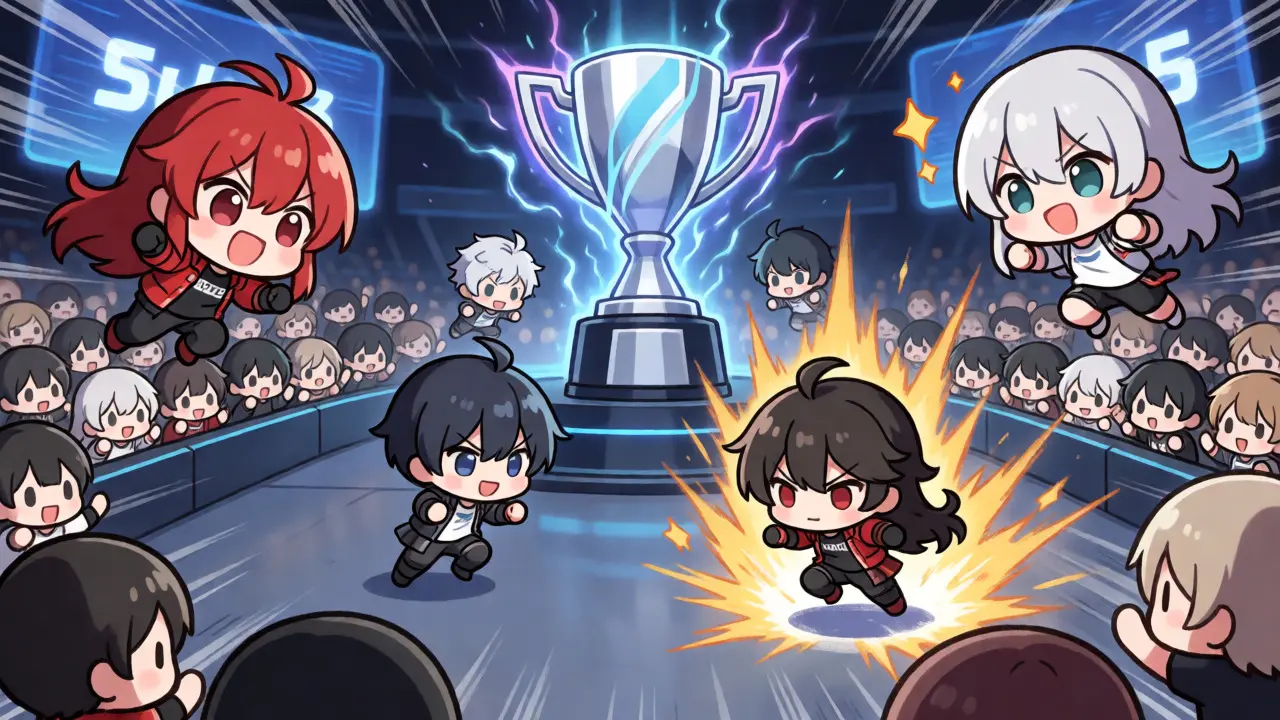
If you prefer competition over grinding, look no further than the Legends Circuit. Introduced alongside the Quest System, this tournament structure adds a competitive layer to the rewards. It starts with daily tournaments accessible to everyone. Winners advance to weekly brackets, then monthly finals, and eventually, the annual Grand Masters Final.
The top 64 players in the Grand Masters Final compete for substantial prizes. But even if you never make it past the daily rounds, participating in these tournaments contributes to your overall Quest Point tally. It’s a win-win scenario. Casual players enjoy the thrill of competition without risking much, while pros chase the big payouts.
This structure solves a major pain point in web3 gaming: the barrier to entry. Traditional esports require immense skill and time investment. The Legends Circuit lowers that bar by offering multiple tiers. You can start today, lose tomorrow, and still earn enough points to qualify for the monthly airdrop.
Tokenomics and Market Context
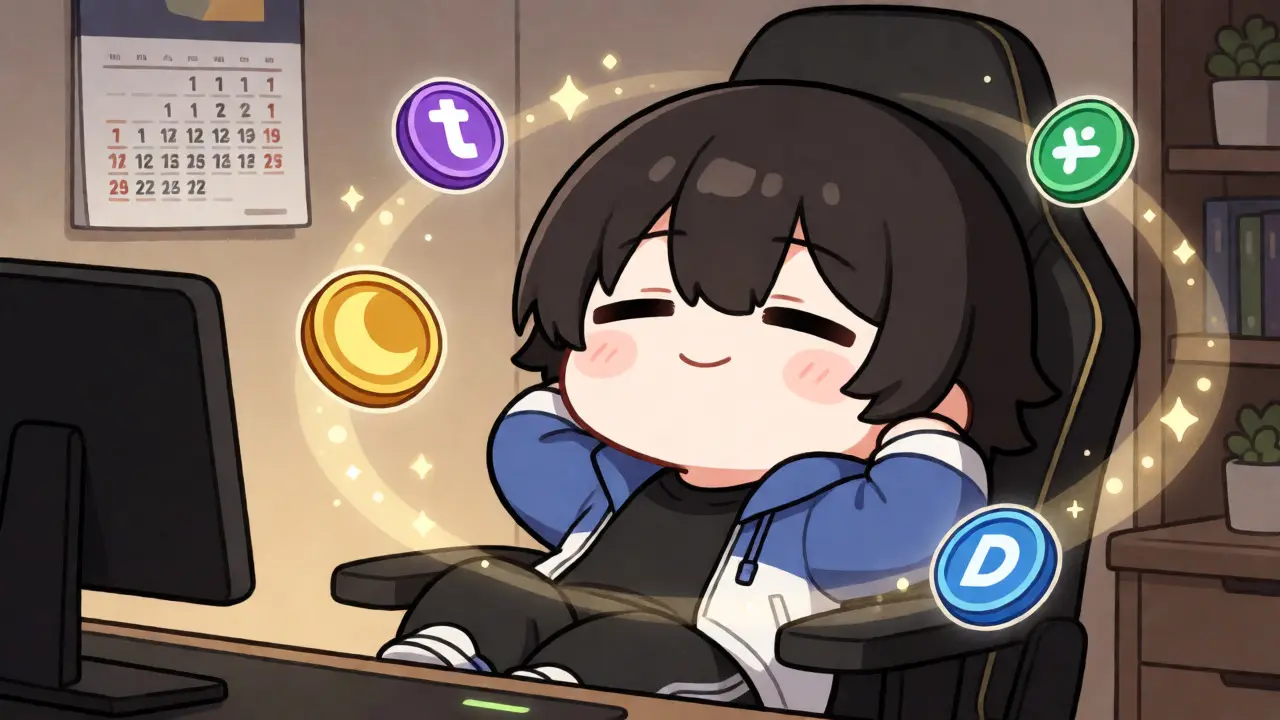
Why should you care about the D token beyond the airdrop? Because its utility drives demand. As of late 2025, the token traded around $0.031 with a circulating supply of 640 million. That’s a market cap hovering near $20 million, which leaves plenty of room for growth if adoption spikes.
The token serves multiple functions:
- Staking: Lock up D tokens to earn passive yields through platforms like Bitget Earn.
- Governance: Vote on future game integrations and protocol changes.
- Marketplace: Buy and sell NFTs and in-game assets directly using D tokens.
- Lending: Use tokens as collateral for loans within the ecosystem.
Arbitrage opportunities also exist due to frequent price fluctuations across exchanges. Savvy traders can buy low on one platform and sell high on another, adding another revenue stream beyond gaming.
Tips for Maximizing Your Airdrop
Don’t just play randomly. Treat this like a part-time job with clear KPIs. Here’s what works best based on early adopter data:
- Consistency Beats Intensity: Logging in every day for 15 minutes yields more points than playing five hours once a week.
- Diversify Games: The system rewards exploring new titles. Don’t stick to one game; try others in the ecosystem to unlock multipliers.
- Track Leaderboards: Check your rank weekly. If you’re slipping, identify which quests you missed and prioritize them next week.
- Reinvest Wisely: Consider staking some of your earned D tokens to compound your holdings while you continue farming.
Avoid the trap of chasing every single quest. Focus on high-value tasks that offer the best return on time invested. Some quests take ten minutes for minimal points; others take thirty minutes for double the reward. Learn to spot the difference.
Final Thoughts on Sustaining Engagement
The DAR Open Network isn’t trying to replace traditional gaming. It’s enhancing it. By tying financial incentives to gameplay, it creates a sustainable loop where players feel valued for their time. The monthly airdrop schedule ensures that interest doesn’t fade after the initial launch hype. Each season brings fresh content, new challenges, and updated reward pools.
If you’re already in the web3 space, ignoring this system means missing out on easy yield. If you’re new, it offers a gentle introduction to crypto economics without requiring upfront capital. Just bring your gaming skills and a willingness to learn the interface. The rest takes care of itself.
Is the DAR airdrop really free?
Yes, there is no cost to enter the Quest System. You only need time to complete tasks. However, some in-game actions might require small gas fees depending on the underlying blockchain used by specific games, but the core quest participation is free.
How long does a season last?
Each season lasts four weeks. At the end of every season, Quest Points are tallied, and the corresponding D token airdrop is distributed to eligible participants based on their ranking.
Can I play multiple games simultaneously?
Absolutely. In fact, it’s encouraged. The system tracks your activity across all integrated games in the Dalarnia ecosystem. Playing different titles helps you discover new mechanics and often unlocks special cross-game bonuses.
What happens to my Moon Coins?
Moon Coins remain within the specific game environment where they were earned. They cannot be converted directly to D tokens but are essential for upgrading characters and purchasing items, which indirectly improves your ability to earn more Quest Points.
Do I need to hold D tokens to participate?
No, you do not need to hold any D tokens to start earning. You begin with zero balance and accumulate tokens through gameplay rewards. Holding tokens becomes useful later for staking or governance voting.