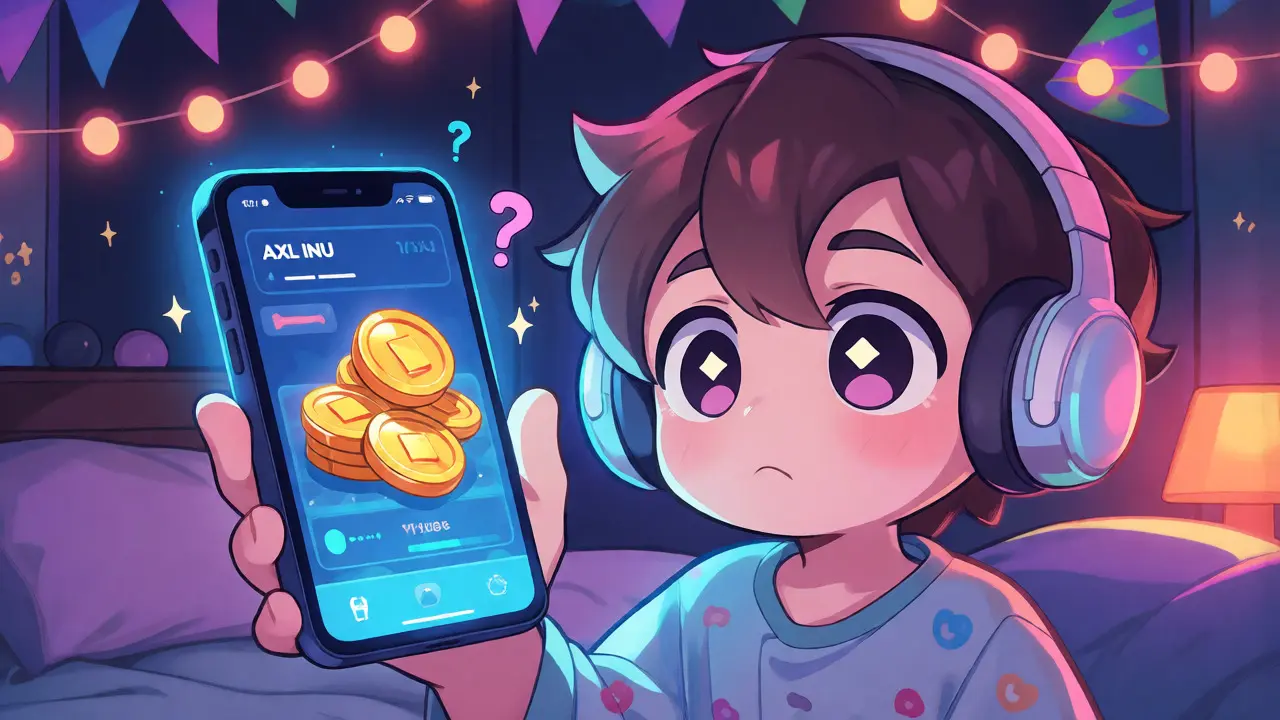
You just checked your wallet and saw a bunch of AXL INU tokens you didn't buy. Suddenly, social media is buzzing about a "New Year's Eve Airdrop." It sounds too good to be true, right? Because it probably is. Before you rush to connect your wallet and claim those free tokens, you need to look at the cold, hard data. The reality of this specific airdrop campaign raises serious red flags that every crypto investor should know.
| Metric | AXL INU (Current) | Healthy Meme Coin |
|---|---|---|
| 24h Trading Volume | $0 USD | > $10,000 USD |
| Market Cap | $773.33 | > $1 Million USD |
| Liquidity Pools | < $100 total | > $50,000 total |
| Exchange Listings | 2 minor exchanges | Major CEXs & DEXs |
The Zero-Volume Red Flag
Let’s start with the most glaring issue: trading volume. As of late 2025, CoinMarketCap lists AXL INU as having a 24-hour trading volume of exactly $0. That isn’t a typo. It means no one is actively buying or selling this token in significant amounts. For context, a legitimate project usually has thousands of dollars moving through its markets daily. When volume hits zero, it often signals that the market has died or never truly existed.
With a market capitalization hovering around $773, this token is essentially invisible to institutional investors. Even retail traders are ignoring it. Why would a project launch a massive New Year’s Eve airdrop if their own market has no liquidity? Usually, airdrops are used to generate buzz for active projects. Here, the lack of activity suggests the "airdrop" might be the only thing keeping the token relevant-and likely not for the right reasons.
Confusion with Axelar Network
One major source of confusion is the ticker symbol. Many people mix up Axl Inu (AXL) with Axelar Network (AXL). These are two completely different entities. Axelar Network is a well-known cross-chain communication protocol founded by reputable developers like Illia Polosukhin. It is listed on major exchanges like Binance.
In contrast, Axl Inu is a low-cap meme coin with no discernible development team or whitepaper referenced in credible sources. Reports from June 2025 mentioning "AXL token unlocks" referred to Axelar Network, not Axl Inu. Scammers love this kind of name similarity because it tricks users into thinking they are interacting with a established, trusted brand when they are actually dealing with an obscure, potentially abandoned asset.

Anatomy of the Phishing Campaign
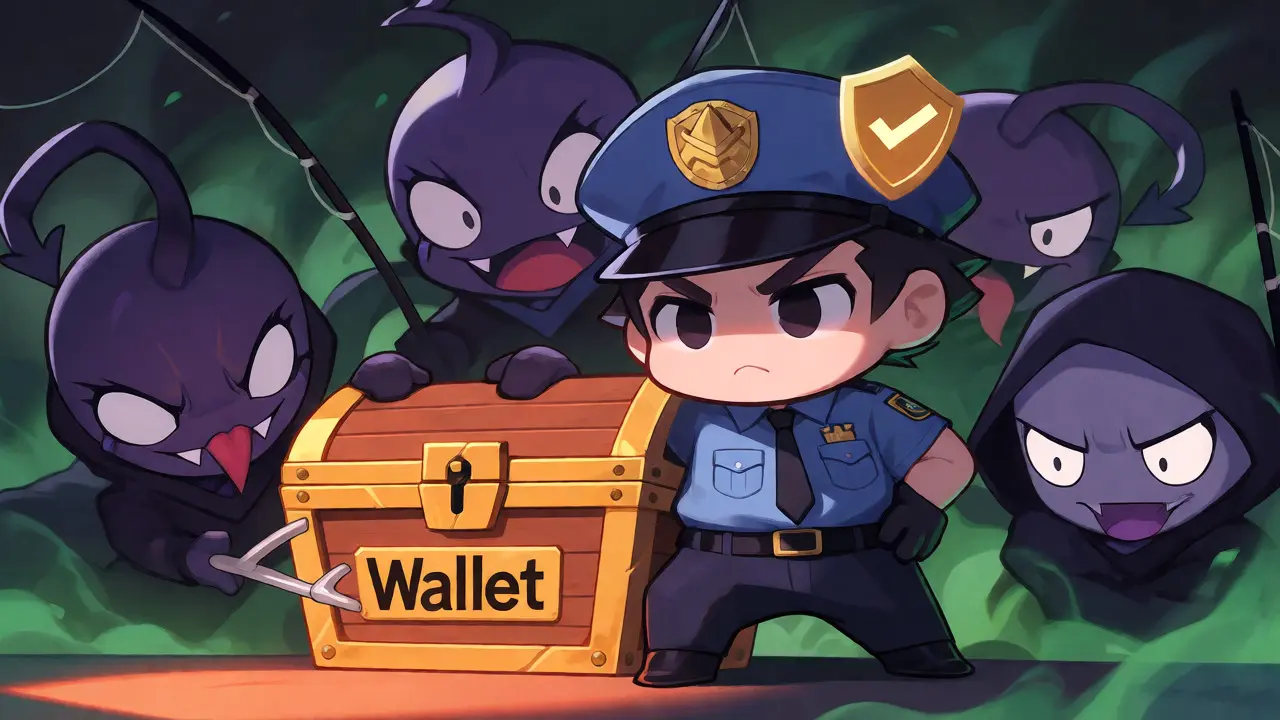
Security researchers have identified a pattern here. Unsolicited tokens appearing in wallets followed by social media hype is a classic bait-and-switch tactic. According to Chainalysis blockchain forensics, wallets receiving unsolicited AXL tokens between October 1 and 10, 2025, were specifically targeted by phishing sites. Domains like `axl-inu-airdrop.live` and `axl-nye-airdrop.xyz` popped up in early October, registered through Russian hosting providers.
These sites don’t just ask for a connection; they ask for unlimited token allowances. Once you approve the contract, malicious scripts can drain other assets from your wallet. CertiK’s security analysis flagged these sites as high-risk phishing operations with code identical to previous scams. Over 127 wallets lost funds totaling nearly $4,000 in just a few days by interacting with these fake portals. The "New Year's Eve" timing is strategic-holiday distraction makes users less cautious.
Why You Should Be Skeptical
Legitimate airdrops rarely require you to pay gas fees upfront or connect to unknown websites with poor design. They usually happen automatically via snapshot mechanisms. If a site asks you to "claim" tokens by connecting your main wallet and signing multiple transactions, pause. Ask yourself: Does this project have a GitHub repository? Are there real partnerships announced? Is there active community engagement beyond spam bots?
For Axl Inu, the answers are mostly no. There is no official communication channel confirming the airdrop. No major exchange has listed it recently. The Blockchain Transparency Institute categorizes it as a "high-risk token" due to potential wallet stuffing-where tokens are distributed to many addresses to fake adoption numbers.
Protecting Your Crypto Wallet
If you find random tokens in your wallet, follow these steps before clicking anything:
- Check the Contract Address: Verify the token address on a block explorer like Etherscan. Compare it with official listings on CoinGecko or CoinMarketCap.
- Use a Burner Wallet: Never connect your primary hardware or software wallet to unfamiliar dApps. Use a fresh wallet with minimal funds.
- Revoke Permissions: If you already interacted with suspicious sites, use tools like Revoke.cash to cancel unlimited approvals.
- Ignore Social Hype: Twitter and Telegram groups promoting "guaranteed gains" from tiny coins are often paid promotions or bot networks.
The SEC has also issued warnings about tokens with zero verifiable trading activity promoting fictional airdrops. This isn’t just fear-mongering; it’s regulatory attention. Binance even placed AXL INU on a high-risk monitoring list, suggesting potential delisting if volume doesn’t improve. That’s a strong signal that even major platforms doubt its legitimacy.
Is the AXL INU New Year's Eve airdrop real?
There is no credible evidence supporting an official airdrop. Most reports indicate it is a phishing campaign targeting users who receive unsolicited tokens. Major price prediction sites and exchange announcements do not mention any scheduled airdrop events for this specific token.
What happens if I connect my wallet to the airdrop site?
You risk approving a malicious smart contract that grants unlimited access to your tokens. Attackers can then drain other valuable assets from your wallet without needing your private key, provided you signed the approval transaction.
Is Axl Inu the same as Axelar Network?
No. While both may use similar tickers or names, they are distinct projects. Axelar Network is a established cross-chain protocol, whereas Axl Inu is a low-liquidity meme coin with negligible trading volume and no verified development team.
How can I check if a token is a scam?
Look for zero trading volume, extremely low market cap, lack of official website or social media updates, and requests to connect wallets to unknown domains. Check holder distribution to see if it looks like artificial wallet stuffing.
Should I sell my AXL INU tokens?
Given the zero trading volume and low liquidity, selling might be difficult or result in significant slippage. If you hold them, consider whether the effort to sell outweighs the negligible value. Do not send more ETH or BNB to pay for gas fees hoping to cash out a worthless token.