If you're looking at Blockfinex as a place to trade crypto, you need to know one thing upfront: Blockfinex isn't on the same level as Binance, Coinbase, or Kraken. It doesn't have the traffic, the transparency, or the trust. And that’s not just opinion-it’s what the data shows.
What Is Blockfinex, Really?
Blockfinex launched in 2020 and claims to be a global crypto exchange with offices in Seychelles, Barbados, and a regional hub in the UAE. It says it wants to build a more inclusive financial system. Sounds good. But here’s the catch: it’s not regulated anywhere. Not in the U.S., not in Europe, not even in the UAE. That’s not unusual for some smaller exchanges, but it’s a red flag if you care about safety. Unlike Bitfinex (which has a long, messy history of hacks and fines), Blockfinex is a completely separate company. But the similar name trips up a lot of people. Don’t confuse them. Blockfinex doesn’t have a track record-it has a blank page.Trading Options and Fees: The Numbers Don’t Add Up
Blockfinex says it supports over 300 cryptocurrencies, including Bitcoin, Ethereum, TRON, and Avalanche. That’s a decent selection, but not impressive compared to Binance’s 500+ or Kraken’s 200+ with deep liquidity. The real issue? No one knows how much trading actually happens here. CoinMarketCap lists Blockfinex as an “Untracked Listing.” That means they don’t verify its trading volume. Most major exchanges publish real-time data. Blockfinex doesn’t. That’s a huge problem for serious traders. If you can’t see the order book depth or confirm liquidity, you’re trading blind. Fees are another mystery. Blockfinex claims “low fees and competitive execution,” but they don’t publish a fee schedule anywhere. You’ll have to guess. Based on comparisons with BloFin-a platform that may or may not be the same as Blockfinex-some sources suggest maker fees around 0.1% and taker fees at 0.1%. Futures leverage might go up to 150x. That’s high. But without official confirmation, you’re taking rumors as fact.Security: No Audits, No Proof, No Trust
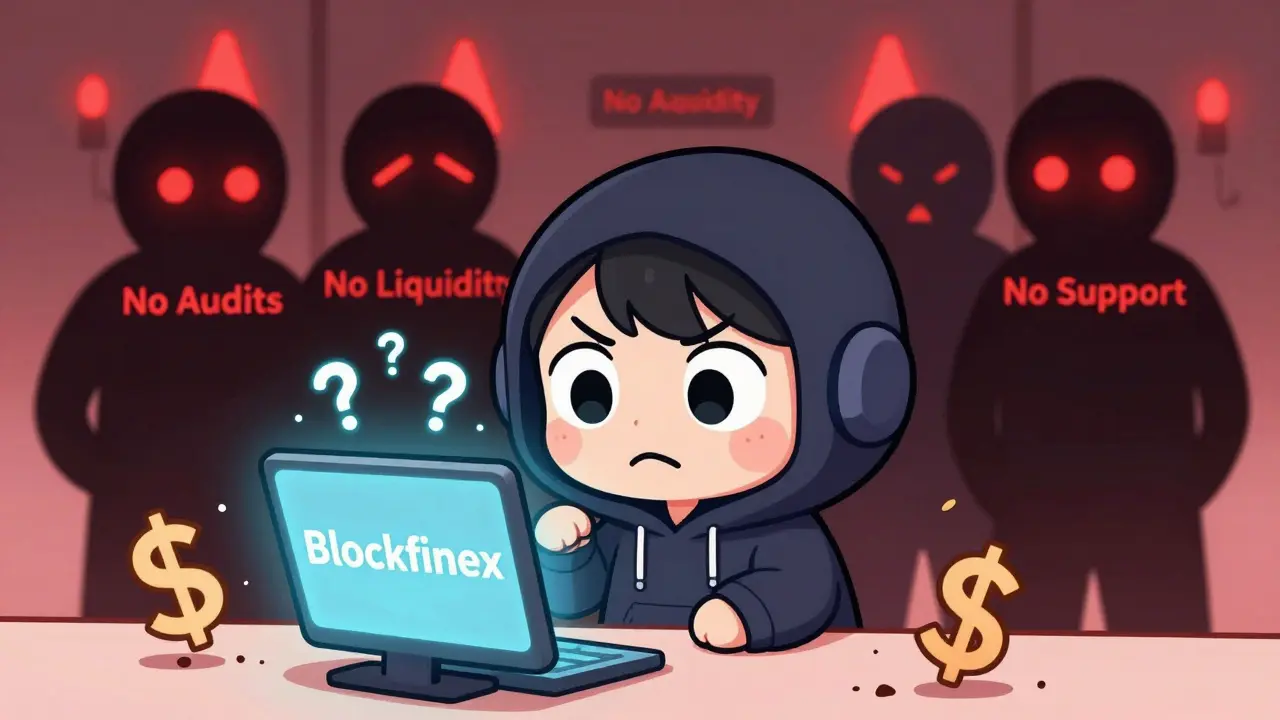
Security is where Blockfinex falls apart. No proof-of-reserves. No third-party audits. No SOC 2 or ISO certifications. Nothing. You won’t find a single public report showing they keep user funds safe. Compare that to Coinbase, which publishes monthly reserve reports and is regulated in the U.S. and EU. Or Kraken, which has been audited by top firms like Grant Thornton. Blockfinex? Silence. The lack of security disclosures doesn’t mean they’re hacked. It just means you have no way to know if they’re safe. In crypto, that’s not a risk-it’s a gamble.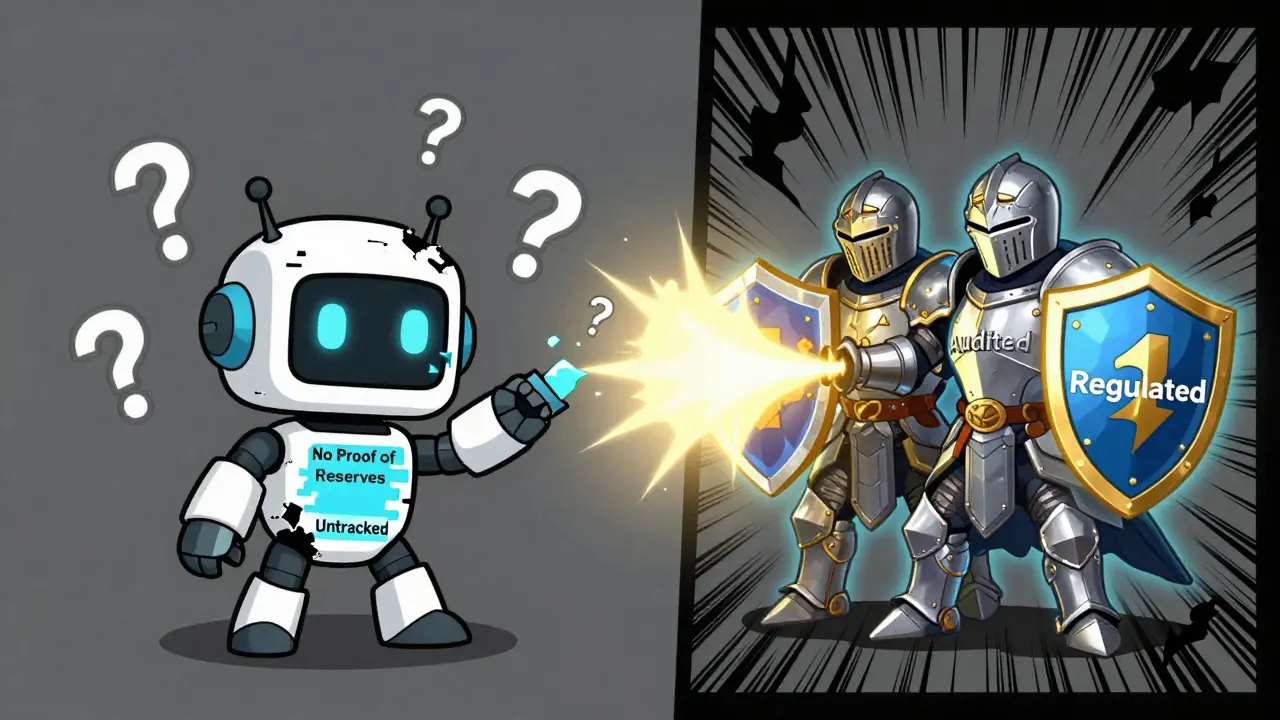
User Experience: Mobile App Only, No Support
Blockfinex does have mobile apps for iOS and Android. That’s a plus. But beyond that, there’s almost nothing. No detailed help center. No live chat. No email support logs. No Reddit threads. No Trustpilot reviews. No YouTube tutorials. Zero. You won’t find a single user review anywhere. That’s not normal. Even the worst exchanges have people complaining about slow withdrawals or bad customer service. Blockfinex? Crickets. If you’re new to crypto, you’ll be lost. No guides. No educational content. No FAQs. Just a trading interface with no hand-holding. That’s fine if you’re an expert. But if you’re not, you’re on your own.Who Is Blockfinex For?
Honestly? Probably no one who should be trading crypto. If you’re looking for a safe place to buy Bitcoin or hold Ethereum long-term, Blockfinex is a terrible choice. You want regulation, audits, and transparency. Blockfinex gives you none of that. If you’re a high-frequency trader chasing 150x leverage and don’t care about safety? Maybe. But even then, you’re trading on a platform with unverified volume. That means slippage could be wild. Your stop-loss might not trigger. Your order might get stuck. And if you’re thinking about using Blockfinex because you saw it on a “top 10 crypto exchanges” list? That list is probably fake. Blockfinex doesn’t appear in any reputable rankings from CoinGecko, CryptoCompare, or major crypto news outlets.Blockfinex vs Bitfinex: Don’t Get Confused
People mix these up all the time. Bitfinex is old. It’s been around since 2012. It’s had multiple hacks-$80 million in 2016, $31 million in 2015. It’s been fined by the CFTC and New York regulators. But it has liquidity. It has volume. It has a community. It has a history-even a bad one. Blockfinex? No history. No volume. No community. No fines, because no one’s even paying attention. They’re not the same company. But the naming is so close it’s misleading. If you’re looking for Bitfinex and land on Blockfinex, you’re in a dangerous place.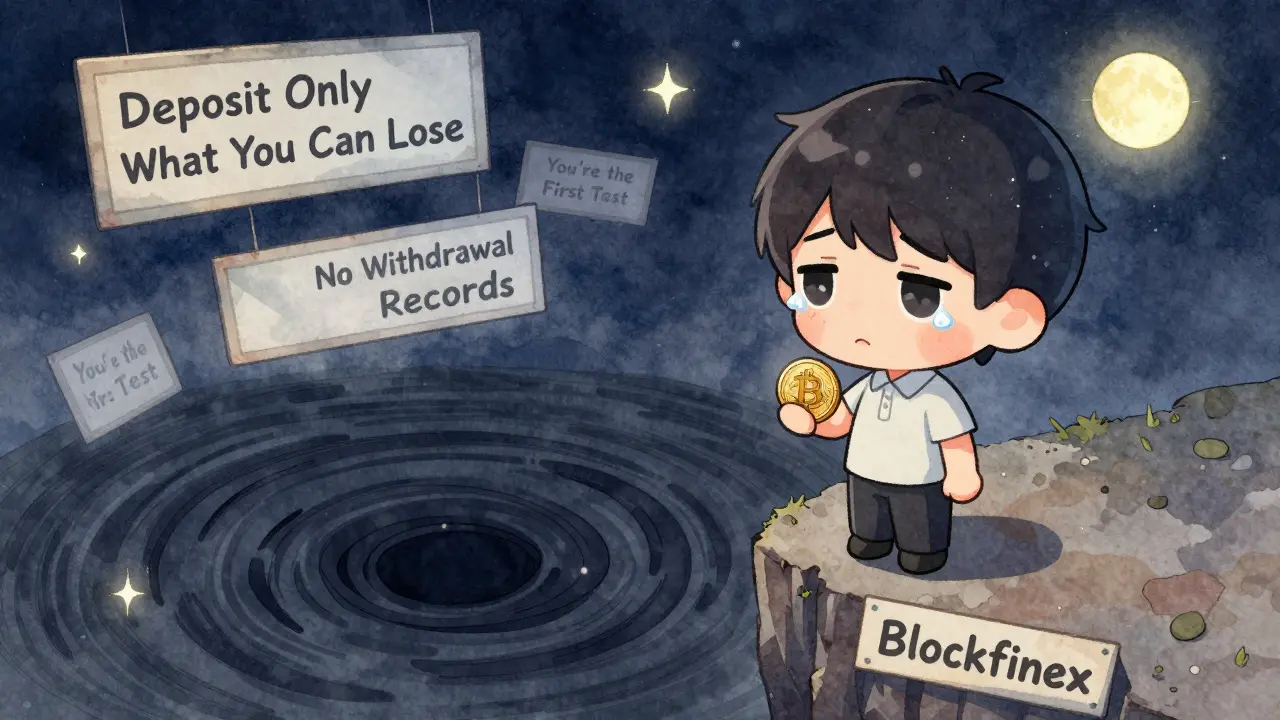
The Bottom Line: Avoid Unless You’re Willing to Lose It All
Blockfinex isn’t a scam. Not officially. But it’s not a real exchange either. It’s a ghost platform-no transparency, no trust, no track record. There are dozens of alternatives that are safer, better documented, and actually used by millions. Binance, Bybit, Kraken, Coinbase-they all publish their data. They have customer support. They’ve been tested. Blockfinex? You’re the first test. If you still want to try it, deposit only what you’re willing to lose. And don’t expect to ever get it back if something goes wrong.What Should You Do Instead?
If you want to trade crypto safely in 2026:- Use Binance if you want the most coins and lowest fees (but watch out for regulatory changes).
- Use Bybit if you like high leverage and clean UI.
- Use Kraken if security is your top priority.
- Use Coinbase if you’re in the U.S., EU, or UK and want full compliance.
Final Thought: If It’s Not on the Radar, It’s Not Worth the Risk
Crypto is risky enough without adding unverified exchanges into the mix. Blockfinex might be real. But it’s invisible. And in crypto, invisibility doesn’t mean hidden gem-it means hidden danger. Don’t be the person who lost money because they picked an exchange no one else has heard of. Choose wisely. Stick to the platforms with skin in the game. Not the ones just hoping you’ll show up.Is Blockfinex a scam?
Blockfinex isn’t officially labeled a scam, but it operates with zero transparency. No audits, no proof of reserves, no verified trading volume, and no regulatory oversight. These aren’t red flags-they’re full-blown warning signs. If you can’t verify safety, you’re trusting a black box. That’s not investing. That’s gambling.
Does Blockfinex have a mobile app?
Yes, Blockfinex offers mobile apps for iOS and Android. But having an app doesn’t mean it’s safe or reliable. Many unregulated exchanges build apps to look legitimate. The real test is whether you can withdraw funds quickly and without hassle-and there’s no public record of users doing that successfully.
How do Blockfinex fees compare to Binance or Kraken?
Blockfinex doesn’t publish its fee structure, so comparisons are guesswork. Binance charges 0.1% for both maker and taker trades on spot markets. Kraken’s fees start at 0.16% and drop with volume. Blockfinex might be similar, but without official data, you can’t trust any numbers you see online. Always assume the worst-case scenario.
Can I withdraw my crypto from Blockfinex?
There are no verified reports of successful withdrawals from Blockfinex. No Reddit threads, no Twitter complaints, no YouTube videos showing the process. That’s not normal. Legitimate exchanges have hundreds of withdrawal stories-good and bad. Blockfinex has none. That’s a major red flag. If you can’t find proof people can get their money out, don’t deposit.
Is Blockfinex the same as BloFin?
They’re not officially the same, but they’re suspiciously similar. Both have over 300 cryptocurrencies, similar fee structures, and the same untracked status on CoinMarketCap. Some sources treat them as the same platform. Either way, BloFin is also unregulated and lacks transparency. So even if they’re different, the risks are identical.
Why doesn’t Blockfinex appear on major crypto review sites?
Because there’s nothing to review. Major sites like CoinSutra, CryptoCompare, and Bitcoinist only cover exchanges with verified data, user feedback, and operational history. Blockfinex has none of that. It’s not being ignored-it’s being excluded because it doesn’t meet basic standards for inclusion. If a platform doesn’t show up in professional reviews, that’s a signal.
Should I use Blockfinex if I’m outside the U.S.?
Location doesn’t make Blockfinex safer. Even if you’re in Australia, Europe, or Asia, you still face the same risks: no audits, no regulation, no transparency. The fact that it’s based in Seychelles or Barbados means it’s intentionally avoiding strict oversight. That’s not a feature-it’s a warning.