

Imagine voting from your phone while stationed overseas, knowing your ballot can’t be lost, altered, or counted twice. That’s the promise of blockchain voting. But after nearly a decade of government pilots, no country has rolled it out for a full national election. Why? Because the tech looks perfect on paper - but falls apart in the real world.
What Blockchain Voting Actually Does
At its core, blockchain voting records each vote as an encrypted entry on a digital ledger. Unlike paper ballots or even traditional e-voting systems, this ledger is distributed across multiple computers, making it nearly impossible to tamper with without detection. Each vote is linked to a unique cryptographic key, not a name. So, election officials can verify that your vote was counted - without knowing who you voted for.
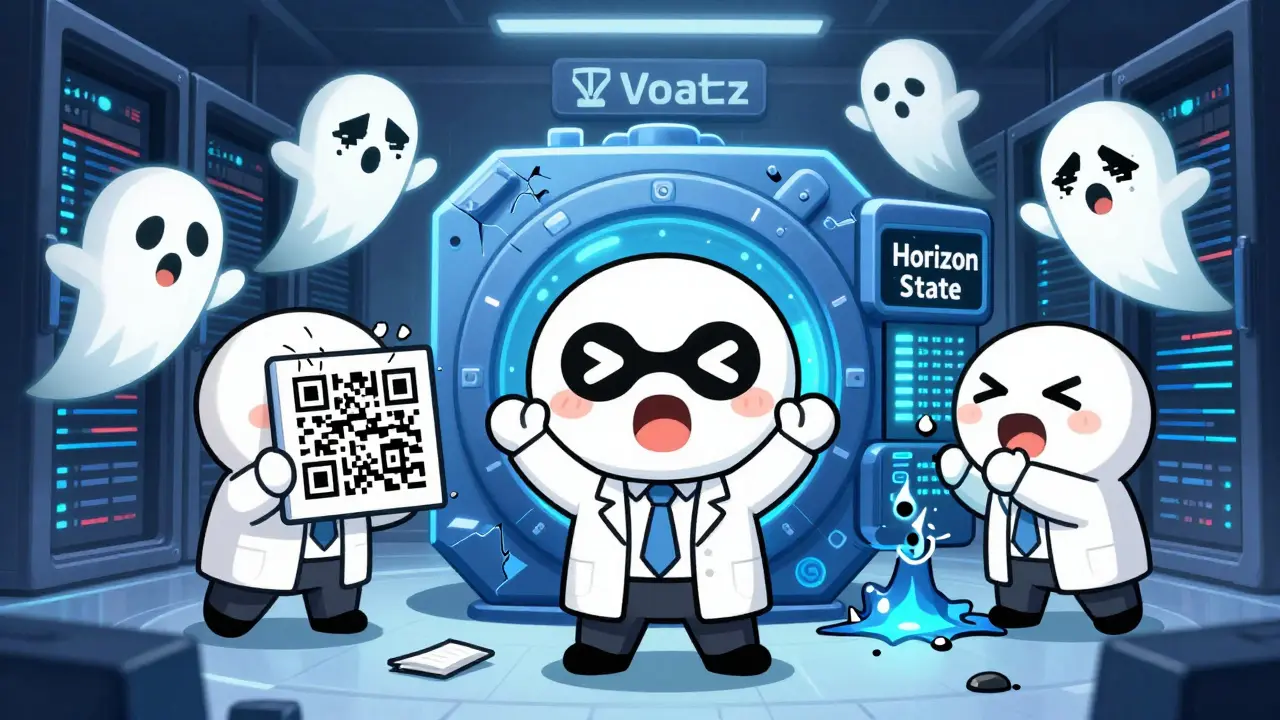
This isn’t science fiction. West Virginia tested it in 2018 for military voters abroad. Utah County ran a pilot for 1,000+ residents in 2019. Sierra Leone used it in a national election that same year. All of them relied on platforms like Voatz or Horizon State. These systems let voters authenticate with biometrics or digital IDs, cast their vote via an app, and then check later that their vote was recorded correctly.
The appeal is clear: no lost absentee ballots, no long mail delays, no manual counting. For soldiers, expats, or people with disabilities, it’s a game-changer. But here’s the catch - none of these pilots were ever scaled up.
Who’s Tried It - And What Went Wrong
West Virginia’s 2018 pilot served about 150 overseas voters. Most said they liked the convenience. But security researchers found critical flaws. The app could be hacked remotely. There was no way to prove a vote hadn’t been changed after submission. The program was quietly shelved.
Utah County’s system processed votes in under three seconds. Sounds fast, right? But independent audits later revealed vulnerabilities in how the app encrypted data. Even small bugs could let someone manipulate results without leaving a trace.
Switzerland’s SwissPost trial got scrapped in 2021 because of transparency concerns. The public couldn’t verify how the system worked. If you can’t see the code, you can’t trust it. And trust is everything in elections.
Estonia often gets mentioned as a success story - but it’s not true blockchain voting. Their i-Voting system uses digital signatures and centralized databases. It’s secure, but not decentralized. That’s a big difference. Blockchain voting means no single authority controls the ledger. Estonia’s system doesn’t meet that standard.
Why Permissioned Blockchains Are the Norm
You might think of Bitcoin or Ethereum when you hear "blockchain." Those are public, open networks where anyone can join. But government voting pilots don’t use those. They use permissioned blockchains - closed networks where only authorized nodes (computers) can validate votes.
Why? Because public blockchains are too slow and too expensive. Processing thousands of votes in real time on Bitcoin would take hours and cost millions. Permissioned systems are faster, cheaper, and easier to control. But they also sacrifice one of blockchain’s biggest promises: decentralization.
If only a handful of government servers run the network, who’s to say they won’t manipulate it? That’s the paradox. The tech was meant to remove trust in institutions - but now you have to trust the institutions running the system.
The Hidden Costs and Barriers
It’s not just about hacking. There’s a massive learning curve. Election officials need 80 to 100 hours of training just to run a pilot. Voters need to understand digital IDs, biometric logins, and verification codes. For older populations or those with low digital literacy, it’s a wall.
And then there’s the cost. Setting up secure servers, hiring auditors, running penetration tests, and maintaining the system for years adds up. A single municipal pilot can cost hundreds of thousands of dollars. Compare that to printing ballots and hiring poll workers - it’s not even close.
Legal frameworks don’t even exist yet. No country has passed laws that fully recognize blockchain votes as legally binding in national elections. Without legal backing, even a flawless system is useless.
Why Experts Are Split
The Government Blockchain Association says blockchain voting can "protect election integrity, reduce costs, and increase participation." They hosted their 2025 awards vote on Voatz - a live demo meant to show off the tech.
But NIST (the National Institute of Standards and Technology) has warned since 2018 that internet voting - even with blockchain - is fundamentally risky. Their position hasn’t changed. They argue that no amount of encryption can fix the fact that your phone or laptop could be infected with malware. If your device is compromised, your vote is too.
And then there’s politics. Some officials resist blockchain because it threatens control. If votes are truly anonymous and verifiable, it becomes harder to manipulate outcomes or suppress turnout. That’s not a technical problem - it’s a power problem.

What’s Next? Hybrid Systems Are the Real Future
Most experts now agree: blockchain won’t replace paper ballots anytime soon. But it might supplement them.
Imagine this: you vote in person on a paper ballot. Later, you get a QR code on your receipt. You scan it on your phone and see your vote recorded on a public blockchain. You can verify it was counted - without revealing your choice. That’s a hybrid model. It keeps the physical paper as the legal record, but adds blockchain for transparency.
That’s the path forward. Low-stakes elections first - school boards, union votes, corporate shareholder meetings. These don’t have the same stakes as a presidential race. They’re perfect test beds.
South Korea is rumored to be testing blockchain for civic applications, with projections of 21% adoption by 2025. But no one’s verified those numbers. Until independent audits, peer-reviewed studies, and legal frameworks catch up, it’s all speculation.
The Bottom Line
Blockchain voting sounds like the solution to every problem in democracy. But it’s not. It solves one problem - ballot tampering - while creating five others: voter exclusion, hidden centralization, high costs, legal uncertainty, and unproven security at scale.
For now, it’s a fascinating experiment. A tool that works in small doses. But it’s not ready to run a national election. And until researchers, lawmakers, and the public can agree on what "secure" really means - it won’t be.
The real win isn’t blockchain. It’s trust. And trust doesn’t come from code. It comes from transparency, accountability, and proof that every vote counts - no matter how it’s cast.





Surendra Chopde
January 7, 2026 AT 13:18Blockchain voting sounds slick but the real issue isn't the tech-it's the human layer. You can encrypt everything but if someone hacks your phone while you're voting, your ballot is gone. No blockchain fixes that. And don't even get me started on elderly voters who still use flip phones.
Tre Smith
January 7, 2026 AT 21:05Let’s be precise: blockchain voting is a solution in search of a problem. The existing infrastructure-paper ballots with optical scanners-has a 99.97% integrity rate in the U.S. since 2004. Introducing blockchain adds attack surfaces, not security. NIST’s 2018 warning wasn’t a suggestion-it was a forensic conclusion. Also, decentralized doesn’t mean secure; it means untraceable. And untraceable votes are a legal nightmare.
Natalie Kershaw
January 9, 2026 AT 07:52Y’all are overcomplicating this. Think of blockchain voting like a receipt you can verify online after you vote in person. That’s the hybrid model. No one’s saying ditch paper-just add a transparent layer. It’s like having a tracking number for your vote. Super low friction, huge trust boost. Let’s pilot this in school board elections first. No pressure, no drama, just proof of concept.
Jacob Clark
January 11, 2026 AT 00:40Wait-so you’re telling me we’ve spent millions on blockchain voting pilots and STILL can’t prove it’s secure? And people are acting like this is the future?? I mean, come on. If your system can’t survive a 10-year-old with a laptop and a YouTube tutorial, it’s not a system-it’s a liability. And don’t even get me started on how many people still don’t know what a QR code is. This isn’t progress. It’s tech theater.
Jon Martín
January 12, 2026 AT 06:40Imagine if your vote was like a tweet you could verify was posted-no one could delete it, no one could fake it, and you could prove it was yours without revealing who you voted for. That’s the dream. Yeah, the tech’s messy now. But so was the internet in 1995. We didn’t abandon email because spam existed. We fixed it. This is the same. We need more pilots, not more fear.
Mujibur Rahman
January 14, 2026 AT 04:27Permissioned blockchains are the real elephant in the room. If the nodes are controlled by state actors, you’re not decentralizing trust-you’re outsourcing it to a server farm in Virginia. That’s not blockchain. That’s a glorified database with a buzzword label. The crypto purists are right: if it’s not permissionless, it’s not blockchain. It’s blockchain-washing.
Danyelle Ostrye
January 14, 2026 AT 14:20It’s funny how everyone’s terrified of hacking but ignores the real threat: voter suppression. If blockchain voting makes it easier for people with disabilities or in rural areas to vote, that’s a win. The tech isn’t perfect-but neither is our current system. We’re choosing between two flawed options. Maybe we should pick the one that expands access.
Jennah Grant
January 14, 2026 AT 21:22Hybrid models are the only viable path forward. Paper as the legal record, blockchain as the audit trail. It’s not about replacing democracy-it’s about augmenting transparency. And honestly, if you’re still using punch cards in 2025, you’re not protecting democracy-you’re preserving nostalgia. The future isn’t paper or blockchain. It’s both.
Dennis Mbuthia
January 15, 2026 AT 05:46Look, America doesn’t need blockchain voting-we need to fix voter suppression, gerrymandering, and corporate money in politics. This is a distraction. Rich tech bros love shiny toys, but this isn’t a startup pitch. It’s the foundation of democracy. If you can’t even count votes reliably on paper, why are we betting on code? And don’t even get me started on how China and Russia are already using blockchain to fake elections. This is a weapon waiting to be weaponized.
Becky Chenier
January 15, 2026 AT 18:44I’m not tech-savvy, but I know what I’ve seen. My grandma voted in 2020 using a mail-in ballot and had to wait three weeks for it to count. If she could scan a code and see her vote verified in 10 seconds? She’d be thrilled. We’re not talking about replacing the system-we’re talking about making it less painful. That’s not radical. That’s common sense.
Staci Armezzani
January 16, 2026 AT 14:46Let’s stop pretending this is about security. It’s about control. The same people who scream about election fraud when the other side wins are the ones who don’t want voters to have verifiable, traceable ballots. Why? Because if everyone can prove their vote was counted, it becomes harder to disenfranchise. Blockchain isn’t the problem-it’s the solution to a problem they don’t want solved.
Tracey Grammer-Porter
January 16, 2026 AT 15:46I love how we’re all arguing about tech when the real issue is trust. No system works if people don’t believe in it. Paper ballots work because you can see them, touch them, watch them being counted. Blockchain feels like magic. And magic? People get scared of magic. We need to teach, not just deploy. Start with school districts. Let people play with it. Make it familiar. Then scale.
sathish kumar
January 17, 2026 AT 12:00It is imperative to recognize that the structural integrity of electoral systems is predicated upon verifiable auditability, not merely cryptographic innovation. The deployment of blockchain technology without concurrent legislative codification and public epistemic literacy constitutes a perilous epistemic rupture in democratic praxis. The Indian Election Commission has demonstrated that low-tech, high-integrity systems remain viable in heterogeneous societies. Technological solutionism must not eclipse institutional wisdom.
Veronica Mead
January 17, 2026 AT 20:30Blockchain voting is a sin against democracy. It replaces the sacred ritual of casting a ballot with a digital transaction. It normalizes voting from a device that can be hacked, tracked, and monitored. This isn’t progress-it’s surrender. We are becoming a society that trusts algorithms more than institutions, and that is a dangerous path. Paper is sacred. It’s tangible. It’s human. Don’t let Silicon Valley turn our democracy into an app.
Mollie Williams
January 18, 2026 AT 03:38What if the real question isn’t whether blockchain can secure votes-but whether we’re willing to trust each other enough to make any system work? We’ve spent decades trying to build perfect systems, but democracy isn’t about perfection. It’s about participation. If blockchain gets one more person to vote who otherwise wouldn’t, isn’t that worth the risk? Maybe the answer isn’t in the code. Maybe it’s in our courage to try.
Ritu Singh
January 20, 2026 AT 01:21Blockchain voting is a CIA psyop. They want us to think it’s secure so we’ll hand over our voting data to private contractors who then sell it to advertisers and political consultants. And don’t tell me about encryption-your phone is already listening to you. This isn’t about elections. It’s about turning voters into data points. The government doesn’t want you to vote. They want you to be tracked. Read the fine print on Voatz’s TOS. It’s all there.
Rahul Sharma
January 21, 2026 AT 22:13Simple truth: blockchain voting is expensive, complex, and unnecessary. India has 900 million voters. We use paper and manual counting. It takes time, yes. But it’s transparent. Anyone can watch. No server. No app. No hack. If a system works for a billion people, why are we chasing fancy tech for a few thousand? Simplicity is strength.
Gideon Kavali
January 22, 2026 AT 08:59Let me be crystal clear: if we let blockchain voting happen, we are handing over our democracy to foreign tech firms and leftist Silicon Valley elites who hate American values. This isn’t innovation-it’s cultural sabotage. The Founding Fathers used quills and ink. We should stick with what works. Paper ballots are American. Apps are not. This is a betrayal of our heritage.
Allen Dometita
January 23, 2026 AT 08:57Look I get the fear but honestly if you’ve ever tried to vote from a military base overseas you know how broken this system is. My cousin spent 6 weeks waiting for a ballot that never arrived. If blockchain could fix that even 10%? I’m all in. We’re not talking about replacing the whole system. We’re talking about giving people a lifeline. That’s not tech bro nonsense. That’s patriotism.
greg greg
January 25, 2026 AT 07:29Here’s the thing nobody’s saying: blockchain voting isn’t about making voting better-it’s about making it cheaper. The entire point is to reduce the number of poll workers, eliminate ballot printing, cut down on audits. It’s corporate cost-cutting disguised as innovation. And once you remove the human element, you remove accountability. Who do you call when the system crashes? A bot? A lawyer? A contractor in Bangalore? That’s not democracy. That’s outsourcing your rights.
LeeAnn Herker
January 27, 2026 AT 04:34Oh wow, so now we’re supposed to believe blockchain is the savior? Next they’ll say we should vote via TikTok polls. I mean, if you think a government-run blockchain is secure, you’ve never heard of the 2021 Colonial Pipeline hack. Or the 2023 Medicare database leak. Or the 2024 IRS portal breach. We can’t even keep our tax data safe. But hey, let’s trust it with our votes. Classic.
Sherry Giles
January 28, 2026 AT 17:45Canada’s been testing blockchain for municipal elections since 2022. Guess what? Turnout went up 14% among 18-25 year olds. And the system was audited by independent academics. No fraud. No hacks. Just better access. So yeah, maybe it’s not perfect-but it’s working. Stop acting like this is a conspiracy. It’s just progress with a delay.
Andy Schichter
January 30, 2026 AT 03:01So we’re spending half a million dollars to let people vote from their couch while scrolling memes? Brilliant. Next we’ll have AI-generated campaign ads whispering in your ear during the vote. This isn’t innovation. It’s the death of civic ritual. I miss when voting felt like something you did, not something you clicked.
Caitlin Colwell
January 31, 2026 AT 07:38I just want to know if my vote counted. That’s it. Not the tech. Not the blockchain. Just… did it count? If a QR code gives me that peace of mind? Fine. I’m not scared of code. I’m scared of being ignored.
Krista Hoefle
February 2, 2026 AT 05:55blockchain voting? more like blockchain trolling. who even trusts tech companies with their votes? lol