
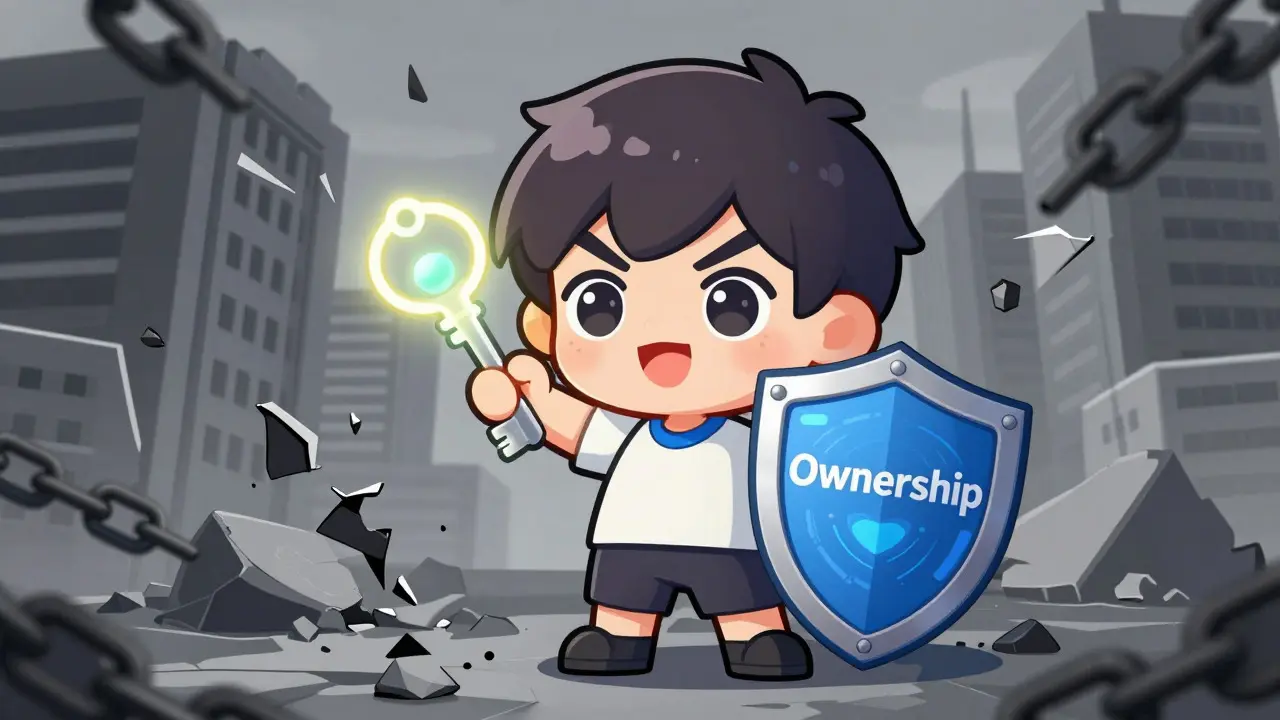
Remember when you posted a photo or wrote a long thread on social media and felt like it belonged to you? In reality, that content was always rented space. The platform owned your data, controlled who saw it, and took the lion’s share of any money made from your attention. That model is cracking. As we move through 2026, Blockchain social media, often called SocialFi, is no longer just a buzzword for crypto enthusiasts. It is becoming a tangible alternative where users own their digital identities and monetize their audiences directly.
This shift isn't about replacing Instagram with a clunky interface overnight. It is about rewriting the rules of ownership. You are not just a user; you are a stakeholder. Your followers are an asset you can take with you if you leave. This article breaks down how these platforms work, which ones are actually worth your time in 2026, and whether the promise of true decentralization has finally caught up with its hype.
What Is Blockchain Social Media?
At its core, blockchain social media moves social interactions from centralized servers to distributed ledgers. Instead of Facebook or X storing your profile and posts in a private database, your identity and content are anchored on a blockchain. This creates three fundamental changes:
- Ownership: Your social graph (who you follow and who follows you) is stored as a non-fungible token (NFT) or similar on-chain record. If one app shuts down, you don’t lose your audience. You simply connect your wallet to a new app built on the same protocol.
- Monetization: Creators earn tokens directly from their community rather than relying on opaque ad-revenue shares. Fans can tip, buy exclusive access, or hold "creator coins" that appreciate in value based on the creator’s success.
- Governance: Many platforms use decentralized autonomous organizations (DAOs) to moderate content. Instead of a shadowy corporate team deciding what gets banned, the community votes on rules and enforcement.
The concept started with early experiments like Steem in 2016, but those early versions were plagued by spam and poor usability. Today’s iteration, driven by protocols like Lens Protocol and Farcaster, is far more sophisticated, leveraging Layer 2 scaling solutions to make transactions fast and cheap.
Why Users Are Leaving Traditional Platforms
The push toward decentralized social networks is driven by frustration. A significant portion of internet users feel trapped by algorithmic manipulation and data privacy violations. When a traditional platform changes its algorithm, your reach can vanish overnight. There is no recourse. You signed away your rights in the Terms of Service.
In contrast, blockchain social media offers portability. Think of it like bringing your own phone number when switching carriers. With Decentralized Identifiers (DIDs), your identity is portable across applications. If you dislike how App A displays your timeline, you can switch to App B, which uses the same underlying data layer, without losing your followers or history. This interoperability is the killer feature that traditional walled gardens cannot match.
Furthermore, the economic model is flipping. On traditional platforms, creators typically keep less than 50% of revenue generated from ads, and only after reaching high follower thresholds. In SocialFi, micro-transactions allow direct support. A fan can send $1 to a creator instantly, with minimal fees, creating a sustainable income stream for niche communities that mainstream algorithms ignore.
Leading Platforms in the 2026 Landscape
Not all blockchain social networks are created equal. The landscape has consolidated around a few key protocols, each with distinct strengths and weaknesses. Here is how the major players compare as of mid-2026.
| Platform/Protocol | Underlying Tech | Key Feature | User Experience |
|---|---|---|---|
| Lens Protocol | Ethereum L2 (Lens Network) | Composable social graph via NFTs | Highly customizable, many frontend apps |
| Farcaster | Ethereum + IPFS | Frames (interactive mini-apps) | Crypto-native, strong developer tools |
| Bluesky | AT Protocol | Customizable algorithms | Twitter-like, easy onboarding |
| Hive | Hive Blockchain | Zero-fee transactions | Blog-style, established community |
Lens Protocol has emerged as the leader in developer adoption. By treating your social graph as an NFT, it allows developers to build diverse frontends-from text-based forums to video-sharing apps-that all share the same user base. Its dedicated Layer 2 chain, Lens Network, handles thousands of transactions per second at fractions of a cent, solving the cost issues of earlier Ethereum-based projects.
Farcaster appeals heavily to the crypto community. Its standout feature is "Frames," which allow developers to embed interactive web apps directly into posts. Imagine voting on a poll, buying a ticket, or playing a game without leaving the feed. While powerful, Farcaster still requires an Ethereum wallet, which can be a barrier for non-crypto users.
Bluesky, born from Jack Dorsey’s vision, sits in a gray area. It uses the AT Protocol, which supports federation and user-controlled algorithms. While not fully blockchain-based in its current iteration, it represents a bridge between traditional UX and decentralized ideals, making it accessible to millions who find wallet management too complex.

The Creator Economy Revolution
For creators, the stakes are high. The traditional influencer economy is broken for everyone except the top 1%. Blockchain social media introduces tokenomics that can democratize earnings. One common model is the "creator coin." Fans buy tokens tied to a specific creator. If the creator grows, the token price rises, rewarding early supporters. If they flop, the token loses value. This aligns incentives: fans only invest in creators they genuinely believe in.
Another model is direct tipping and paywalls. On platforms like Diamond App (built on DeSo), users can lock content behind a token gate. Only holders of that creator’s token can view the post. This creates a loyal, paying subscriber base without middlemen taking a 30% cut. Early adopters have reported earning significantly more per follower compared to traditional platforms, though this comes with the volatility of crypto markets.
However, it is not all rosy. Token incentives can sometimes encourage low-effort content. If posting a meme guarantees a small token reward, bots and spammers flood the network. Successful platforms combat this with reputation systems and staking mechanisms, where users must lock up tokens to post, ensuring skin in the game.
Challenges Holding Back Mass Adoption
Despite the progress, blockchain social media faces significant hurdles. The biggest is usability. Logging into a traditional app takes seconds: email and password. Logging into a SocialFi app involves connecting a wallet, managing seed phrases, and understanding gas fees. Even with improvements like social logins and account abstraction, the friction remains high for casual users.
Wallet fatigue is real. Users often need different wallets for different chains or protocols. While unified interfaces like Backpack Exchange are helping, the complexity is still a barrier. According to recent surveys, nearly 80% of potential users abandon the sign-up process when confronted with wallet creation steps.
Regulatory uncertainty also looms large. Governments are still figuring out how to classify social tokens. Are they securities? Commodities? Currency? The SEC’s scrutiny of platforms like Friend.Tech has caused hesitation among investors and creators. Until clear regulations emerge, mainstream brands may stay on the sidelines.
Finally, there is the issue of moderation. Decentralization means no single entity controls the narrative. While this prevents censorship, it can also allow harmful content to spread if community governance fails. Finding the balance between free speech and safety is an ongoing experiment for DAO-governed platforms.

What to Expect in the Next Few Years
The trajectory points toward consolidation and interoperability. We will likely see fewer standalone apps and more protocols that power multiple frontends. Imagine logging into a single wallet and accessing your social graph across news feeds, video platforms, and messaging apps seamlessly.
Integration with AI will also play a role. AI moderation tools, trained on community-voted standards, could help filter spam and hate speech without central control. Additionally, fiat on-ramps are becoming smoother, allowing users to earn dollars instead of volatile tokens, bridging the gap between Web2 and Web3 economies.
By 2027-2030, experts predict that SocialFi could capture a meaningful slice of the traditional social media market, particularly among younger, tech-savvy demographics. The key will be invisibility: the technology should fade into the background, leaving only the benefits of ownership and fair compensation.
Getting Started with Blockchain Social Media
If you want to dip your toes in, start simple. You do not need to become a crypto expert overnight. Here is a practical path:
- Choose a User-Friendly Platform: Start with Bluesky or a Lens frontend like Lenster. They offer familiar interfaces.
- Set Up a Wallet: Use a reputable non-custodial wallet like MetaMask or Rainbow. Write down your seed phrase and store it offline. Never share it.
- Fund Your Wallet: Add a small amount of ETH or the native token of the chain you are using. Keep costs low by using Layer 2 networks.
- Connect and Create: Link your wallet to the social app. Post content, follow others, and experiment with features like tipping or collectibles.
- Learn the Community Norms: Each platform has its culture. Read the guidelines and engage respectfully. Building a reputation takes time.
Remember, the goal is not to abandon traditional social media entirely but to diversify your digital presence. Own your audience on the blockchain while maintaining visibility on mainstream platforms.
Is blockchain social media safe?
Safety depends on user behavior. Since you control your wallet, you are responsible for securing your seed phrase. If lost, your account is irretrievable. However, smart contract audits and decentralized storage reduce risks of platform hacks or data breaches compared to centralized servers.
Do I need to know coding to use these platforms?
No. Most modern SocialFi platforms offer intuitive frontends similar to Twitter or Instagram. Coding knowledge is only necessary if you want to build your own app or interact directly with smart contracts.
Can I earn money on blockchain social media?
Yes, through tips, creator coins, and ad-revenue sharing in some models. Earnings vary widely based on your audience size and engagement. It is not a get-rich-quick scheme but a way to monetize niche communities directly.
What happens if a SocialFi app shuts down?
Your data and followers remain yours because they are stored on the blockchain. You can connect your wallet to another frontend built on the same protocol and regain access to your social graph immediately.
Are transaction fees high?
On mainnet blockchains like Ethereum, fees can be high. However, most SocialFi platforms use Layer 2 solutions or specialized chains (like Lens Network or Hive) that offer near-zero transaction costs, making daily interactions affordable.



Matt Kay
August 7, 2026 AT 22:01still sounds like a scam to me
Prudence Flemming
August 9, 2026 AT 05:31the ontology of digital ownership is shifting from proprietary enclosure to decentralized commons yet the user experience remains a labyrinth of friction. we are essentially trading algorithmic surveillance for cryptographic custody which raises profound questions about agency and responsibility in the post-capitalist social sphere. if the graph is an NFT then identity becomes commodified in a way that mirrors late-stage capitalism despite the libertarian rhetoric. it is a paradox where liberation requires financial literacy and technical competence excluding the very masses it claims to empower.
Carl Michaud
August 11, 2026 AT 02:02you naive sheep think you own your data when the protocol developers hold the keys to the kingdom. this is just another layer of abstraction for the elite to harvest value while you worry about gas fees. the SEC knows exactly what these tokens are but lets them slide until the retail bagholders are trapped. decentralization is a myth sold by venture capitalists to offload risk onto the proletariat. wake up before your wallet gets drained by a rug pull disguised as governance.
Lance Jantz
August 13, 2026 AT 00:34oh darling, let us dance on the blockchain! 🌟 imagine your soul tethered to an immutable ledger, forever preserved in the ether of the metaverse. it is romantic really, isn't it? to have your every whim recorded in stone, unchangeable and eternal. i find the aesthetic of smart contracts deeply seductive, a cold logic that warms the heart of the true visionary. who needs privacy when you have transparency wrapped in gold?
Candice Cornett
August 14, 2026 AT 11:53morality has gone out the window with these so called creators selling their influence for tokens. it is a circus of greed masked as empowerment. people forget that without central moderation chaos reigns and the wicked prosper. we traded safety for freedom and got scammers instead. truly a dark age for human interaction online.
Kat Bennett
August 16, 2026 AT 05:22i actually think there is a lot of potential here even if it feels overwhelming at first because the idea of owning your audience is really empowering once you get past the initial learning curve and start seeing how much more direct connection you can have with fans who genuinely care about your work rather than just being data points for advertisers. it takes time to build trust in a new system but the payoff could be huge for independent artists and writers who have been exploited by big tech for too long.
Dave Kjendal
August 17, 2026 AT 00:37most of you dont know what you are talking about. the real issue is not the tech but the human nature behind it. people will always find a way to cheat the system whether it is centralized or decentralized. stop worshipping the blockchain and start looking at the incentives. simple as that.
Phil Babb
August 18, 2026 AT 04:17LISTEN UP!!! YOU NEED TO GRAB THIS BY THE HORNS!!! IF YOU ARE NOT ON LENS PROTOCOL RIGHT NOW YOU ARE FALLING BEHIND!!! THE FUTURE IS HERE AND IT IS DECENTRALIZED!!! DO NOT LET THE OLD GUARD KEEP YOU DOWN!!! TAKE CONTROL OF YOUR DATA TODAY!!! ACT NOW OR REGRET LATER!!!
Ryan Robinson
August 18, 2026 AT 09:23honestly its pretty cool that u can move ur followers around like that. kinda like having ur own phone number but for social media. makes sense why ppl are trying it out even if the setup is a bit tricky at first. just gotta hang in there till it gets easier.
Earl Kott65
August 20, 2026 AT 04:22lol tell me about it 😂 i spent three hours setting up my wallet just to post one meme. but hey, at least i own that meme now right? 🤷♂️ the irony is delicious. keep grinding though fam, the early adopters eat well 🚀💎🙌
Ethan Yuwono
August 20, 2026 AT 20:34it is interesting to consider the philosophical implications of self-custody. when you lose your seed phrase you lose yourself in a digital sense. it places a heavy burden on the individual to maintain continuity of identity. perhaps this is the price of true autonomy. we must accept the fragility of our digital existence to gain control over it.
Jack Delasquez
August 21, 2026 AT 22:39man i wish i knew bout this sooner. my feed was getting spammed so bad on twitter. maybe ill try bluesky since it seems easier. hope i dont mess up my wallet tho lol. good luck everyone!
Harman Singh
August 23, 2026 AT 04:38why is nobody talking about how this ruins the vibe? i just wanted to scroll mindlessly and now i have to think about transactions. it is exhausting. take my energy back. i feel drained just reading this article. why do we need more complexity in our lives?
Qolbina Islami
August 24, 2026 AT 04:22THIS IS AMERICAN INNOVATION AT ITS FINEST!!! WHILE OTHER COUNTRIES REGULATE US WE BUILD THE FUTURE!!! BLOCKCHAIN IS THE NEW FRONTIER AND ONLY THE STRONG WILL SURVIVE!!! NO MORE GOVERNMENT OVERSIGHT!!! PURE FREEDOM!!! USA!!!