

Remember the days when downloading an app felt like finding money in your old coat pocket? Back in 2020, GeoDB was a blockchain project that distributed free GEO tokens to users who downloaded their mobile application and participated in referral activities. It promised something bold: turning your location data into cash. If you are looking for details on the GEOCASH airdrop, you have likely heard rumors or seen old posts claiming it is still active. Here is the hard truth: the main campaign ended years ago. However, understanding how it worked, what happened to the tokens, and where the project stands today is crucial if you hold any leftover assets or want to avoid similar traps.
This guide breaks down the mechanics of the GeoDB distribution, the current state of the GEO token, and the migration to new networks. We will look at the numbers, the risks, and what you can actually do with these tokens right now in 2026.
How the GeoDB Airdrop Mechanism Worked
To understand why this project generated so much buzz, you need to look at its core promise. GeoDB positioned itself as a challenger to the Big Data industry. They argued that tech giants were profiting billions from user data without paying a cent. Their solution? An open ecosystem where users get paid for their digital footprint.
The airdrop wasn't just a one-time giveaway; it was a daily engagement loop. Here is how the process unfolded for participants:
- App Download: Users had to install the GeoDB app on Android or iOS devices.
- Wallet Creation: The app required creating a new wallet interface. You had to save your mnemonic phrases and private keys securely. Losing these meant losing access forever.
- Daily Check-ins: Users claimed free GEO tokens daily by opening the app. This kept the active user count high.
- Data Collection: In exchange for tokens, the app tracked location data, browsing habits, and other behavioral metrics. This was the "work" behind the "free" money.
- Referral Bonuses: Existing users earned extra tokens by inviting friends. Specific codes, like 'MDHALIM759_PXGYZQ', were used to track these acquisitions.
There were also targeted regional campaigns. For instance, a specific promotion offered 10 free GEO tokens listed on the Bitforex exchange, but it was strictly limited to 2,000 Indian participants. This exclusivity created urgency and drove rapid adoption in specific markets.
GEO Token Specifications and Supply Dynamics
If you are holding GEO tokens, you need to know exactly what you own. The tokenomics play a huge role in the current value and utility of the asset. Let's break down the hard numbers based on data from CoinMarketCap and CoinGecko.
| Attribute | Value / Detail |
|---|---|
| Maximum Supply Cap | 350,000,000 GEO |
| Total Supply | 313,170,000 GEO |
| Circulating Supply | 82,640,000 GEO |
| Original Blockchain | Ethereum (ERC-20) |
| Contract Address | 0x147f...126750 |
| Current Network | ODIN Chain (Migrated) |
| Primary Exchange | Uniswap V2 (Ethereum) |
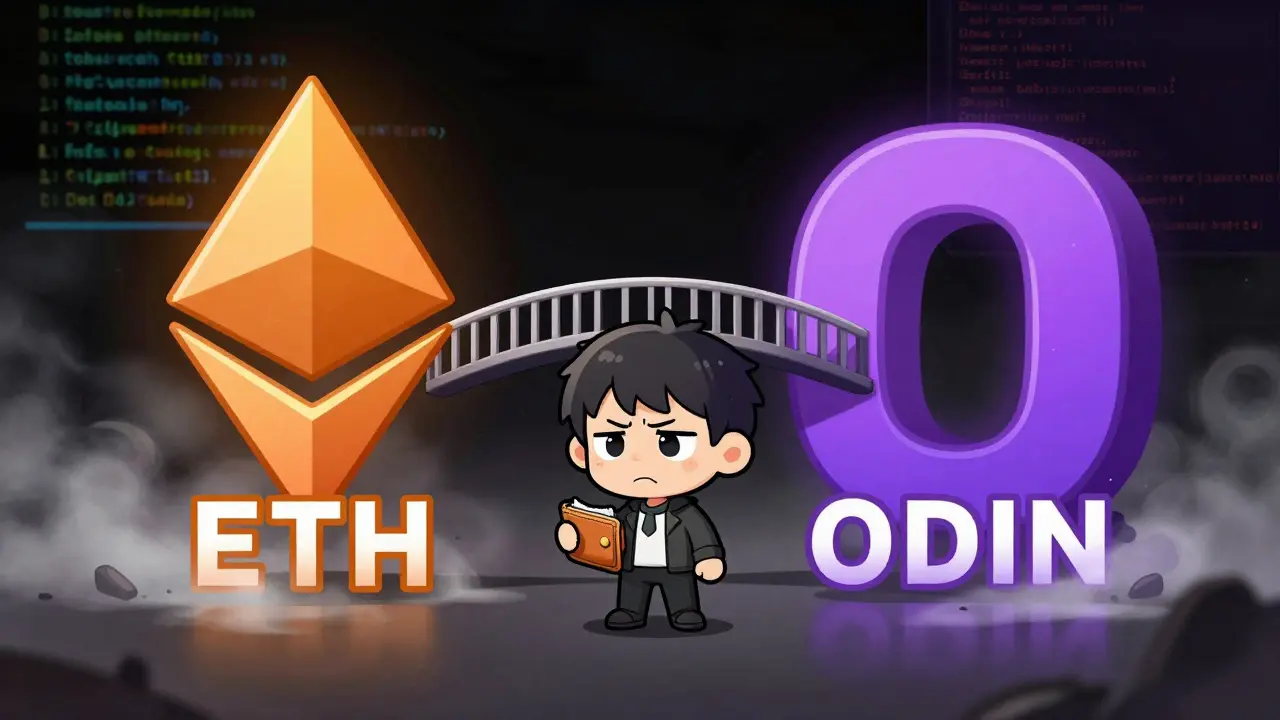
The gap between the total supply and the circulating supply indicates that a significant portion of tokens is either locked, held by the team, or reserved for future development. When analyzing the contract address 0x147f...126750, remember that this refers to the Ethereum version. The project has since announced a migration to the ODIN Chain network. This migration is critical because it affects where you can store and trade your tokens. If you are still using an Ethereum-only wallet, you might not see your migrated assets unless you use the official interface.
Current Market Performance and Liquidity Reality
Let’s talk about price. Promotional materials from four years ago suggested users could earn $5 or more daily in GEO tokens. That sounds great until you look at the current market reality. As of mid-2026, the GEO token trades at approximately $0.0001664.
Here is what that number means for you:
- Low Trading Volume: The 24-hour trading volume is around $120.24. This is extremely low. It means there are very few buyers and sellers actively participating in the market.
- Limited Liquidity: With such low volume, selling large amounts of GEO can cause significant slippage. You might not get the price you expect because there isn't enough depth in the order book.
- Price Volatility: While there might be small percentage gains over 24 hours (like a 0.98% increase), the long-term trend shows a decline (-6.34% over longer periods). The token is valued at roughly BTC0.2330 in market cap terms, indicating minimal speculative interest compared to major cryptocurrencies.
The primary trading pair is GEO/WETH on Uniswap V2. The spread is 0.63%, which is standard, but the last recorded trades often show gaps of days. This lack of activity suggests that the initial hype has faded, and the community has moved on or exited their positions.
The Migration to ODIN Chain and Wallace Wallet
One of the most confusing aspects for former airdrop participants is the shift from Ethereum to ODIN Chain. Why did they do this? Typically, projects migrate to reduce transaction fees and increase speed. Ethereum gas fees can eat up small token balances, making them uneconomical to move. ODIN Chain offers a cheaper alternative.
This migration is tied closely to the Wallace Wallet. Wallace Wallet emerged as the primary interface for interacting with the GeoDB ecosystem. If you participated in the original airdrop, you likely interacted with this wallet to manage your earned tokens. The transition means that your GEO tokens may now reside on a different blockchain ledger than the one you originally received them on.
For users, this implies a few steps:
- Check if your wallet supports ODIN Chain.
- Verify if your tokens have been automatically bridged or if manual action is required.
- Ensure you are using the correct contract addresses for the new network to avoid sending funds to dead ends.
The technical documentation for this migration has been sparse, which is a red flag for many investors. Always verify information through official channels before moving assets.
Risks and Community Feedback
Was the GeoDB airdrop a scam? Not necessarily, but it had characteristics of high-risk promotional campaigns. User feedback from the 2020-2021 period was mixed. Some users enjoyed the novelty of earning tokens for walking around town. Others felt that the data collection was invasive and the rewards negligible after accounting for the time spent.
Key risks to consider include:
- Data Privacy: The app collected location and behavioral data. In an era of increasing privacy regulations, storing and monetizing this data carries legal and ethical risks.
- Token Value Erosion: The drop from peak promotional claims to current sub-penny values highlights the volatility of airdropped tokens. Most airdrops inflate supply quickly, diluting individual holder value.
- Abandonment Risk: With low trading volumes and limited recent updates, there is a risk that the project could become inactive. The YouTube videos from the peak period got thousands of views, not millions, suggesting a niche rather than mass adoption.
The community engagement primarily happened via Telegram channels, such as the official group linked to Wallace Wallet. However, active discussion has dwindled compared to the launch phase.
What Should You Do With Your GEO Tokens?
If you still have GEO tokens from the 2020 airdrop, here is a practical checklist:
- Secure Your Keys: Ensure your mnemonic phrase and private keys are backed up offline. Do not share them with anyone.
- Check Migration Status: Use the Wallace Wallet or an ODIN Chain explorer to see if your tokens have migrated. If they are stuck on Ethereum, check if a bridge exists.
- Assess Liquidity Needs: If you want to sell, be prepared for low liquidity. Selling large amounts on Uniswap V2 may result in poor prices due to the thin order book.
- Monitor Official Channels: Keep an eye on the official Telegram and social media for any announcements regarding further developments or delistings.
- Consider Holding vs. Exiting: Given the low market cap and trading volume, holding is a bet on future utility. Exiting locks in whatever small value remains. There is no "right" answer, only personal risk tolerance.
The GeoDB experiment showed us that while data monetization is a compelling idea, execution is difficult. The airdrop served its purpose of acquiring users, but retaining value and engagement proved challenging. As we move through 2026, the lesson remains: always do your own research, understand the tokenomics, and never invest more than you can afford to lose in promotional crypto campaigns.
Is the GeoDB airdrop still active in 2026?
No, the main GeoDB airdrop campaign concluded several years ago, peaking around 2020-2021. While you may find old posts or bots claiming otherwise, the primary distribution phase is over. Any current activity is likely related to secondary trading or residual community engagement.
Where can I trade GEO tokens?
GEO tokens are primarily traded on Uniswap V2 (Ethereum) against WETH. However, trading volume is very low, which means liquidity is limited. Be cautious of slippage when attempting to buy or sell.
What is the ODIN Chain migration?
The ODIN Chain migration is the process of moving GEO tokens from the Ethereum blockchain to the ODIN Chain network. This was done to reduce transaction costs and improve efficiency. Users should check the Wallace Wallet to ensure their tokens have been successfully migrated.
How much is one GEO token worth?
As of mid-2026, one GEO token trades at approximately $0.0001664. Prices fluctuate, but the overall trend has been downward from peak promotional periods. Always check real-time data on exchanges like CoinGecko for the latest rates.
Is GeoDB a safe investment?
Like all cryptocurrencies, GEO carries significant risk. The low trading volume, declining price trend, and historical reliance on aggressive marketing suggest it is a high-risk asset. It is not considered a stable or safe investment for long-term wealth preservation.

Ryan Peters
June 29, 2026 AT 02:27Another day, another American data harvest disguised as 'innovation'. The fact that we are still falling for these location-tracking scams in 2026 is embarrassing. We trade our privacy for pennies while Big Tech laughs all the way to the bank.
ross harris
June 30, 2026 AT 17:38The metaphysical weight of a token worth less than a speck of dust is crushing. It represents the death of hope and the birth of regret. A digital ghost haunting the wallets of the naive.
Carl Belgrave
July 2, 2026 AT 05:30Wake up people! This is exactly why we need stronger regulations on these crypto scams. They prey on the weak and the uneducated. If you held this trash, you deserve what you got. Stay vigilant and protect your assets from these foreign entities stealing our data.
Carl Hanzel
July 2, 2026 AT 08:12You all think you are special because you downloaded an app in 2020? Please. You were never part of the elite. You were the product. And now you are left holding the bag while the real players cashed out years ago. Typical.
Daniel J. Cox
July 2, 2026 AT 17:18I remember when this was actually fun! :D Walking around my neighborhood feeling like I was contributing to the blockchain revolution. Sure, the money wasn't great, but the community vibe was something else entirely. Miss those days.
Emma Rémond
July 3, 2026 AT 21:12The sheer lack of due diligence displayed by the average retail investor is truly pathetic. One must understand the liquidity dynamics before engaging with such sub-par assets. It is not merely bad luck; it is intellectual failure. The migration to ODIN Chain was a clear signal of distress, yet here we are, discussing it as if it were a novel concept.
ELNORA JEFFERSON
July 5, 2026 AT 04:19Boring article. Everything is already known. Why bother reading this?
Carol @minaszilda
July 6, 2026 AT 02:24It is okay to feel disappointed. Many learned valuable lessons here. Let us focus on growth rather than regret. Every experience shapes our future financial wisdom.
John Curry
July 7, 2026 AT 17:29There is a profound sadness in watching a project fade into obscurity. It reminds us of the impermanence of digital value. Yet, in that decay, there is beauty. The story of GeoDB is a testament to human optimism, however misplaced it may have been.
Trent Erman1
July 9, 2026 AT 14:52Hey everyone! Just wanted to share some quick tips if you are still stuck with GEO tokens. Make sure you check the Wallace Wallet interface carefully. Do not panic sell! There might be small opportunities if you wait for the right moment. Keep your keys safe and stay positive!
Fiona Ellis
July 9, 2026 AT 19:49Oh dear, did anyone actually read the terms of service back then? 🤔 Because I certainly didn’t, and now I’m wondering if my location data is being used to target ads for things I’ve never even considered buying. How fascinatingly invasive! 😱
Nicole Woessner
July 10, 2026 AT 10:54it is wild how fast things change in crypto. one day you are rich the next you are broke. i guess that is just life huh
Jon Milton
July 10, 2026 AT 21:19We need to look at this from a broader perspective. While the financial outcome was poor, the technological experiment provided insights into decentralized identity. Let us not dismiss the entire endeavor without acknowledging the innovation attempted.
Sajjad Ghorbani Moghaddam
July 12, 2026 AT 06:58If you are confused about the migration, just take it slow. Check the official docs. No need to rush. Everyone makes mistakes with new tech.
Rebecca Shoniker
July 13, 2026 AT 16:55The volatility exhibited by this asset class is unacceptable for any serious portfolio. Furthermore, the lack of transparency regarding the ODIN Chain migration is deeply concerning. Investors should demand accountability, not just passive acceptance of losses. It is a disgrace.