
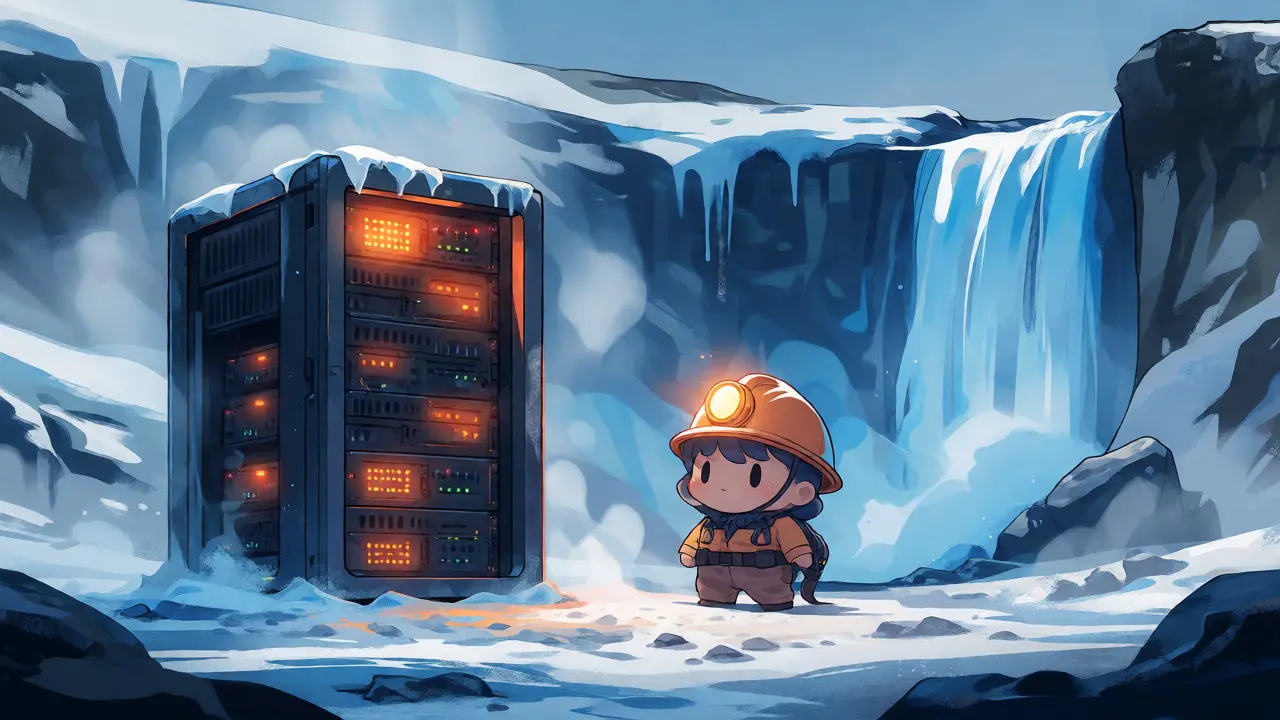
You might think Iceland is the promised land for Bitcoin miners. And honestly, for a decade, it was. The country offers something almost no other place on Earth can match: nearly unlimited 100% renewable electricity from geothermal and hydro sources, combined with natural cold air that keeps servers cool without expensive cooling systems. But here’s the twist nobody saw coming in 2014: the pipes are full. As of late 2025, Iceland’s grid is hitting a hard ceiling. If you’re looking to expand your rig or start fresh in Reykjavik, you’re not just fighting market volatility-you’re fighting physics and policy.
The Grid Is Full (And It’s Not Just a Metaphor)
Let’s cut through the noise. Iceland generates about 75% of its electricity from hydropower and 25% from geothermal plants. Sounds great, right? Except those waterfalls and volcanoes are running at near-maximum capacity. There isn’t much spare juice left. By 2023, cryptocurrency mining alone was eating up roughly 8% of the nation’s total energy consumption. That sounds small until you realize how tiny Iceland’s population is-just over 380,000 people. For context, the sector contributed an estimated 2% to Iceland’s GDP in 2024, which is massive for a digital industry, but it came at a cost.
The bottleneck isn’t money; it’s megawatts. According to recent analysis from Hashrate Index, Icelandic operations are constrained to approximately 120 megawatts of new power allocation. That’s a drop in the bucket compared to Texas, where miners can tap into gigawatts during off-peak hours. In Iceland, if you want a connection, you’re often joining a waiting list that stretches years. Established players like Genesis Mining and Verne Global secured their spots early, between 2013 and 2017. New entrants? You’re lucky to get a contract at all, let alone one with favorable rates.
Policy Shift: From Welcome Mat to Red Tape
Remember when Prime Minister Katrín Jakobsdóttir spoke out in March 2024? She didn’t mince words. The government wants to dial back crypto mining. Why? Because while miners love the green energy narrative, politicians are asking harder questions about opportunity costs. Who gets the last kilowatt-hour? A Bitcoin miner who creates few local jobs? Or an aluminum smelter that employs hundreds? Or a data center serving AI startups?
This isn’t just talk. We’ve seen tariff hikes and stricter rationing measures roll out. Iceland is following the path Quebec took before it, and Inner Mongolia before that. When residential needs and traditional industries clash with speculative tech, the tech usually loses. The current administration is pivoting toward broader blockchain development-think fintech and smart contracts-rather than energy-intensive proof-of-work mining. They want value-add services, not just server farms humming in the dark.
The Economic Trade-Offs Nobody Talks About
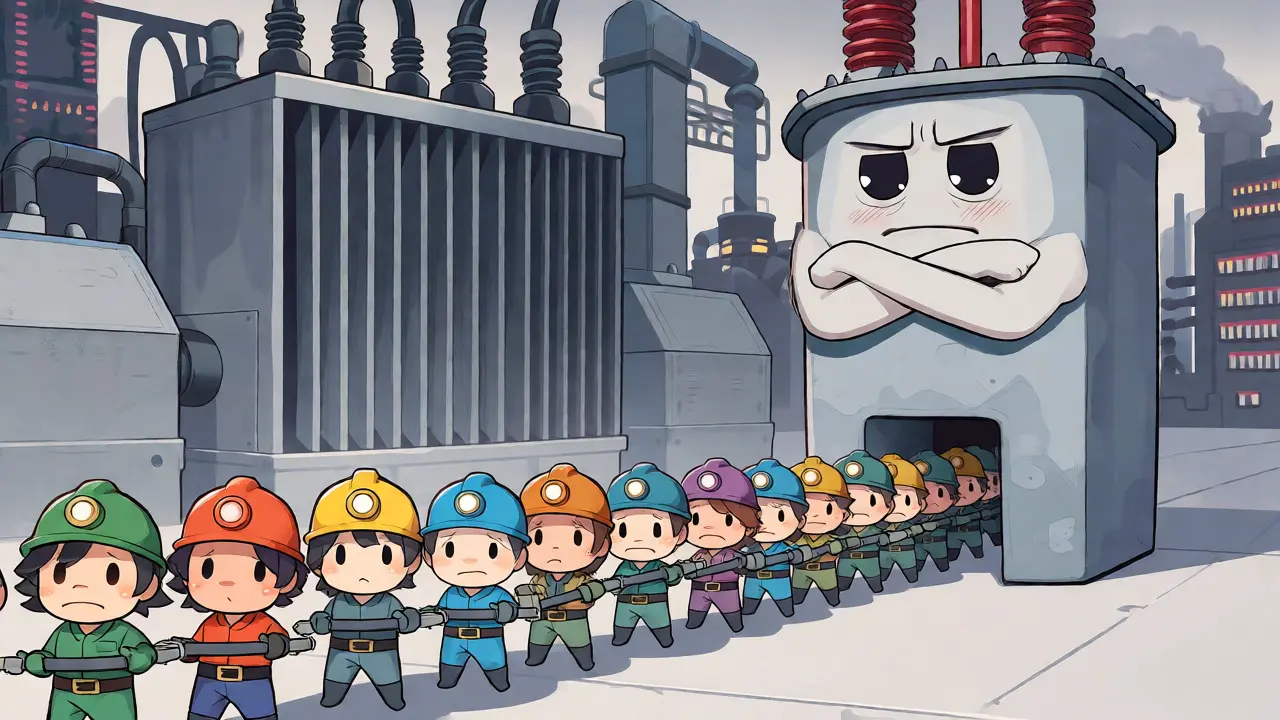
It’s easy to look at a chart and see cheap electricity as a win. But dig deeper, and the economics get messy. Aluminum production has been Iceland’s industrial backbone for decades. It provides stable employment and predictable tax revenue. Crypto mining? It’s volatile. One day you’re printing money; the next, the price crashes, and your ROI vanishes. Yet you’re still occupying grid space that could have powered a factory or a hotel.
Research institutions in Iceland have run the numbers. While mining brings in foreign currency, the job creation per unit of energy is low. Compare that to tourism infrastructure or hydrogen production for export, both of which the government is eyeing as better uses for limited clean energy. If you’re a miner today, you’re effectively bidding against these sectors for a finite resource. And guess who has more political clout? Usually, the ones putting locals to work.
Hardware Efficiency vs. Absolute Power Limits
Here’s a technical reality check. Modern ASICs like the Antminer S19 XP or Whatsminer M50S are incredibly efficient, hovering around 28 joules per terahash globally. This efficiency keeps Icelandic miners competitive even with higher tariffs. But efficiency doesn’t solve scarcity. You can have the most efficient machine in the world, but if there’s no plug for it, it’s just an expensive brick.
Existing facilities benefit from legacy power purchase agreements (PPAs) locked in years ago. These contracts shield them from some of the newer, steeper tariffs. But try negotiating a new PPA now. You’ll find utilities are hesitant to sign long-term deals with an industry they view as unstable. The result? A two-tier system. Old guard miners thrive on stability; newcomers face uncertainty and high barriers to entry.
Future Outlook: Stability Over Growth
So, what’s next? Don’t expect a boom. Most analysts agree that Iceland’s hashrate contribution will stay flat. It’s already punching above its weight, likely holding the largest hashrate per capita globally. To grow significantly, Iceland would need new power plants. Building a new geothermal or hydro facility takes time-often a decade or more. Current timelines suggest significant new capacity won’t come online before 2030.
Until then, Iceland remains a premium location for stability, not scale. If you value political safety and green credentials over raw growth potential, it’s still a solid bet. But if you’re chasing expansion, look elsewhere. The era of free-for-all energy access in Iceland is over. The grid is saturated, and the government is watching closely.
| Factor | Iceland | Texas, USA | Kazakhstan |
|---|---|---|---|
| Energy Source | 100% Renewable (Hydro/Geothermal) | Mixed (Grid + Gas/Renewables) | Mixed (Coal/Gas/Hydro) |
| Power Availability | Severely Limited (Grid Saturation) | High (Demand Response Programs) | Moderate (Infrastructure Issues) |
| Regulatory Risk | Low (Stable) but Restrictive | Medium (State/Federal Variance) | High (Political Volatility) |
| Growth Potential | Flat/Stagnant | High | Moderate |
| Cost Structure | Rising Tariffs, Legacy PPAs | Variable, Market-Based | Subsidized, Low Cost |
Frequently Asked Questions
Why did Iceland stop welcoming new crypto miners?
Iceland’s electrical grid reached saturation. With hydropower and geothermal plants operating at near-capacity, there was little spare electricity for new connections. Additionally, the government shifted focus to industries offering higher employment and economic stability, such as aluminum smelting and data centers, leading to stricter energy allocation policies for mining.
How much energy does crypto mining consume in Iceland?
As of 2023, cryptocurrency mining consumed approximately 8% of Iceland’s total national energy consumption. Despite using 100% renewable energy, this share represents a significant portion of the country's finite generation capacity, creating competition with residential users and traditional heavy industries.
Can new miners easily connect to the grid in Iceland?
No. New entrants face extremely limited options. Most available power allocations were secured by established companies between 2013 and 2017. New applicants often face lengthy waiting lists, indefinite delays for grid connections, and less favorable pricing terms compared to legacy contracts.
Is Bitcoin mining still profitable in Iceland despite restrictions?
For existing operators with legacy power purchase agreements, yes. The combination of low-cost renewable energy and political stability keeps margins healthy. However, profitability for new entrants is challenging due to higher tariffs, lack of guaranteed power supply, and intense competition for scarce grid slots.
What is the future of blockchain in Iceland if mining declines?
The Icelandic government plans to pivot toward less energy-intensive blockchain applications. This includes fostering fintech innovation, developing central bank digital currencies (CBDC), and supporting data centers for AI and cloud computing, which offer higher value-added services per kilowatt-hour than pure mining operations.