
Thinking about trading Bitcoin with Korean Won? If you're based in South Korea or have a local bank account, Korbit is likely the first name that pops up. But here's the catch: it’s not just another global exchange trying to break into Asia. Korbit is deeply rooted in the local ecosystem, which makes it fantastic for locals but potentially frustrating for everyone else.
You might be asking yourself: "Is Korbit safe? Are the fees competitive? Can I even use it if I don't live in Seoul?" These are valid questions. With over $2.6 million in daily trading volume and a history stretching back to 2013, Korbit has survived crashes, regulatory shake-ups, and fierce competition from giants like Upbit and Bithumb. So, does it still hold its ground in 2026? Let’s break down exactly what you get, what you pay, and who should actually bother signing up.
What Exactly Is Korbit?
Korbit is a South Korean cryptocurrency exchange founded in 2013 by Kangmo Kim, Louis Jinhwa Kim, and Tony Lyu. Originally known as Korea Bitcoin Exchange Co., Ltd., it was the first platform in the country to offer direct BTC/KRW trading pairs. Today, it operates as the second-largest crypto exchange in South Korea by volume, trailing only behind market leader Upbit.
Ownership matters in crypto. Korbit isn’t some fly-by-night startup. It’s backed by heavyweights like NXC (the parent company of Nexon), SK Square, and other major investors who pumped $82.5 million into the venture. This corporate backing gives it a layer of stability that smaller exchanges simply can’t match. The current CEO, Oh Se-jin, leads a team focused on maintaining strict compliance with Korean financial regulations-a non-negotiable requirement in one of the world’s most tightly regulated crypto markets.
Unlike Binance or Coinbase, which list hundreds of coins, Korbit takes a curated approach. They support around 192 Crypto/KRW trading pairs. Yes, that’s fewer than you’ll find on global platforms. But this selectivity means they vet assets more rigorously, reducing the risk of landing on a scam token that vanishes overnight. For many Korean investors, this quality-over-quantity model is a feature, not a bug.
Fees and Trading Costs: The Real Numbers
Let’s talk money. Nobody likes hidden costs, so here’s the breakdown. Korbit offers two distinct fee structures depending on how you trade:
- Basic Plan: A flat 0.1% fee on all transactions, whether you’re making or taking orders.
- Free Plan: 0.0% maker fees (if your order sits on the book) and 0.2% taker fees (if you buy/sell immediately at market price).
If you’re an active trader using limit orders, the Free plan saves you money instantly. If you prefer instant execution regardless of cost, the Basic plan keeps things simple. Compared to global standards, these rates are competitive, though not the absolute cheapest. However, remember that you’re paying for liquidity within the KRW market, which often commands a premium due to high domestic demand.
| Feature | Korbit | Binance (Global) | Coinbase (Global) |
|---|---|---|---|
| Base Currency | KRW (South Korean Won) | USD, EUR, USDT, etc. | USD, EUR, GBP, etc. |
| Trading Pairs | ~192 Crypto/KRW | 1,000+ Pairs | 200+ Pairs |
| Maker Fee | 0.0% - 0.1% | 0.1% (Standard) | 0.4% - 0.6% |
| Taker Fee | 0.2% - 0.1% | 0.1% (Standard) | 0.4% - 0.6% |
| Regulation | Tier-1 (KoFIU) | Varies by Region | US Regulated |
Security and Regulation: Why Trust Matters
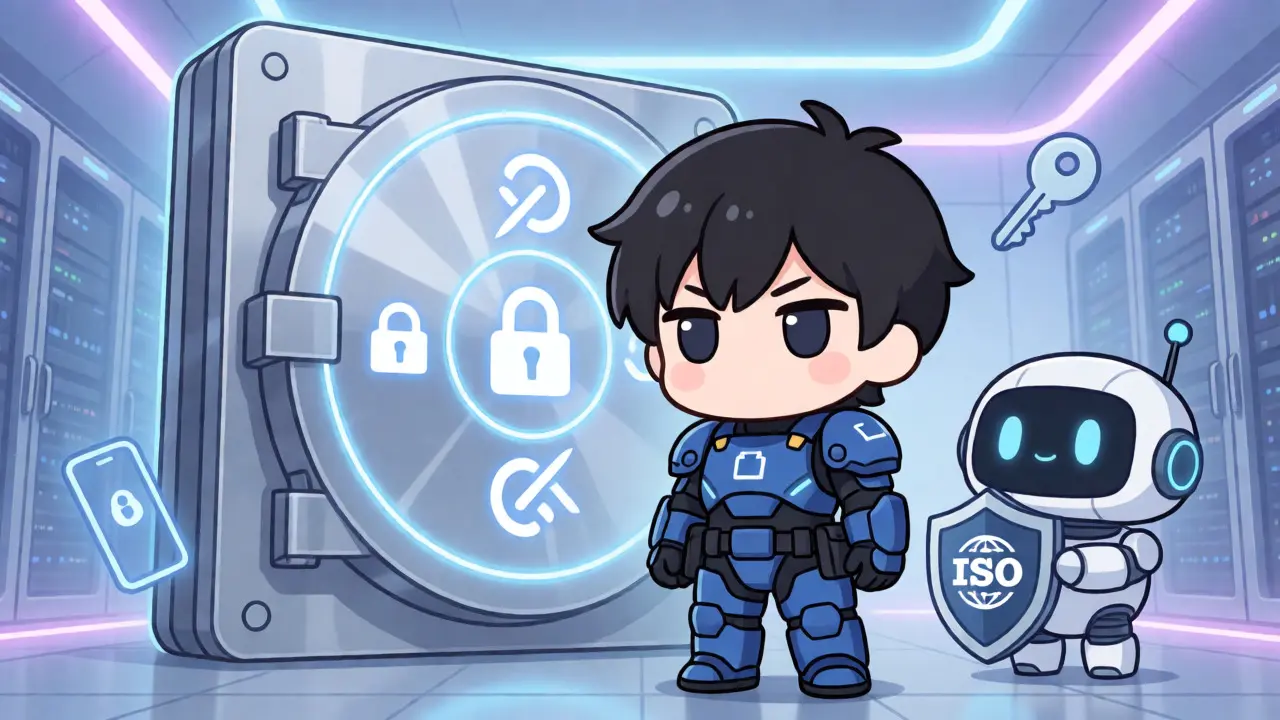
In the wake of collapses like FTX, trust is everything. Korbit holds ISO 27001 certification, making it the first Korean exchange to achieve this international information security standard back in 2018. They also maintain SOC 1 Type 2 certification for internal financial controls. What does this mean for you? It means their systems undergo rigorous third-party audits.
The exchange stores the majority of user funds in cold storage-offline wallets inaccessible to hackers. Two-factor authentication (2FA) is mandatory, adding a necessary barrier against unauthorized access. While it lacks some flashy biometric features like facial recognition found on newer competitors, the core security infrastructure is solid. Traders Union awarded Korbit a safety rating of 9.75/10, citing its long track record without major hacks.
Compliance is another pillar. Korbit operates under the watchful eye of the Korean Financial Intelligence Unit (KoFIU). This strict oversight eliminates the wild-west volatility seen in less regulated jurisdictions. If you value legal clarity and consumer protection over anonymity, this is a significant plus.
User Experience: Who Is This Platform For?
Here is where things get tricky for international users. Korbit is built for Koreans. The interface is clean and intuitive, especially for beginners. Mobile apps are well-optimized, reflecting the high mobile usage rates in South Korea’s financial sector. You can stake Ethereum directly on the platform, earning up to 5.2% APR, and there’s even an NFT marketplace and a "Piggybank" savings challenge.
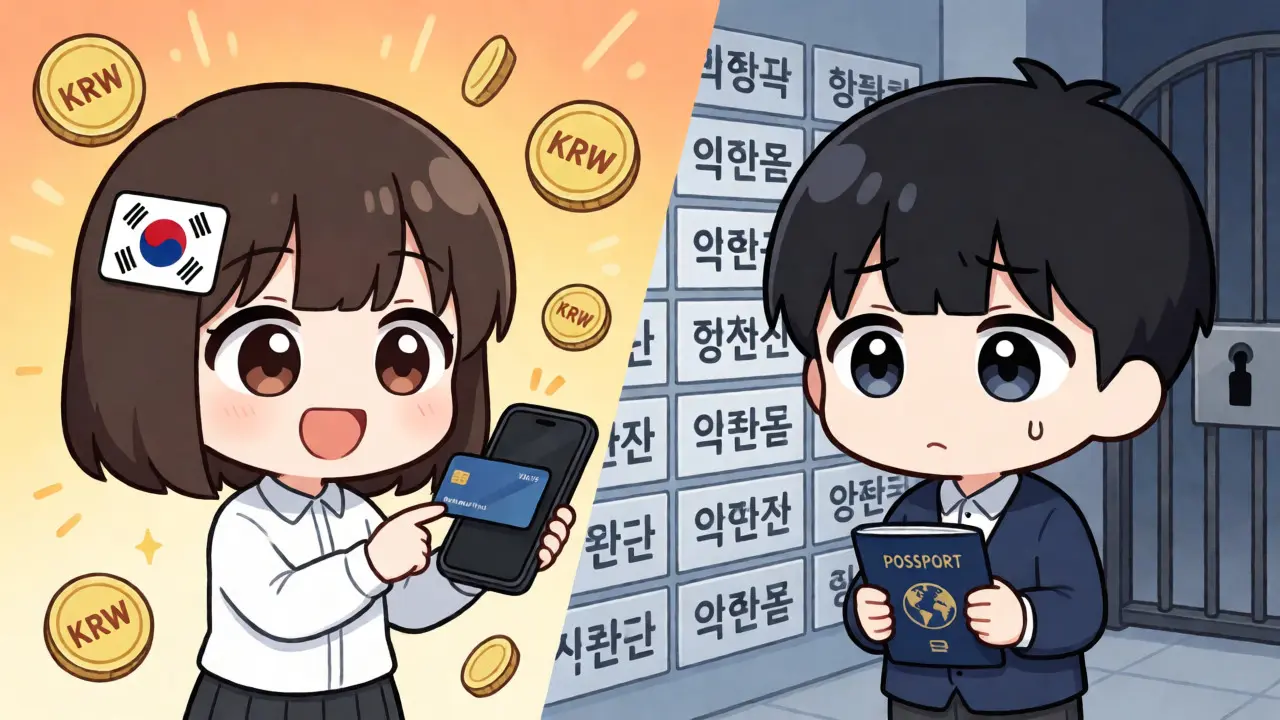
But if you don’t speak Korean or lack a Korean bank account, you will hit walls. Verification requires three levels beyond email confirmation. You need a verified Korean phone number and a bank account registered in your name. Without these, you cannot deposit KRW. Period.
User feedback reflects this divide. Local users praise the seamless integration with banks like KakaoBank and KB Kookmin Bank. Withdrawals are fast, often same-day. International users, however, frequently complain about customer support wait times and the inability to access the platform fully. One Reddit user summed it up perfectly: "Non-Korean users miss out on the primary benefits Korbit offers to local traders."
Pros and Cons: The Quick Verdict
To help you decide, let’s strip away the noise and look at the hard facts.
- Pros:
- Deep integration with Korean banking system.
- Strong regulatory compliance and security certifications.
- Low maker fees (0.0%) for passive traders.
- High liquidity for major assets like BTC and ETH.
- Backed by major corporations (Nexon, SK Square).
- Cons:
- Requires Korean residency/bank account for full functionality.
- Limited selection of altcoins compared to global exchanges.
- Customer support can be slow during peak hours.
- No fiat withdrawal options outside of KRW.
- Interface language barriers for non-Korean speakers.
How to Get Started: Step-by-Step
If you meet the residency requirements, getting set up is straightforward. Here’s the typical workflow:
- Sign Up: Create an account with your email and phone number.
- Verify Identity: Upload your ID and complete Level 1 verification via SMS.
- Link Bank Account: Connect your Korean bank account. This must match your registered name exactly.
- Deposit KRW: Transfer funds via virtual account number provided by Korbit.
- Trade: Use the web interface or mobile app to place limit or market orders.
- Withdraw: Send crypto to external wallets or withdraw KRW back to your linked bank.
Note that verification typically takes 24-48 hours. Don’t expect instant access. Patience is part of the process when dealing with compliant, regulated entities.
Final Thoughts: Should You Choose Korbit?
Korbit isn’t trying to be the next Binance. It’s a specialized tool for a specific market. If you live in South Korea, have a local bank account, and want a secure, regulated way to trade crypto with Won, Korbit is a top-tier choice. Its security credentials and corporate backing provide peace of mind that offshore exchanges often lack.
However, if you’re a global trader looking for obscure altcoins, advanced charting tools, or USD/EUR deposits, look elsewhere. Korbit’s strength is its locality. Embrace that limitation, and you’ll find a reliable partner in your crypto journey. Just make sure your paperwork is in order before you dive in.
Can I use Korbit if I don't live in South Korea?
Technically, you can create an account, but you cannot deposit or withdraw KRW without a verified Korean bank account and phone number. This makes it impractical for most international users who lack ties to the Korean financial system.
Is Korbit safe to use?
Yes, Korbit is considered very safe. It holds ISO 27001 and SOC 1 Type 2 certifications, uses cold storage for most funds, and operates under strict South Korean financial regulations (KoFIU). It has no history of major security breaches.
What are the minimum deposit and trade amounts?
The minimum deposit amount is KRW 10,000, and the minimum trade size is KRW 5,000. These low thresholds make it accessible for small investors.
Does Korbit support staking?
Yes, Korbit offers staking services, particularly for Ethereum, with annual percentage rates (APR) reaching up to 5.2%. They also have other yield-generating features like the Piggybank challenge.
Why is Korbit better than Binance for Korean users?
Korbit allows direct KRW deposits and withdrawals, whereas Binance primarily supports stablecoins like USDT for Korean users (due to regulatory bans on fiat-to-crypto trading for foreigners/local nuances). Korbit integrates seamlessly with local banks, avoiding conversion fees and delays.