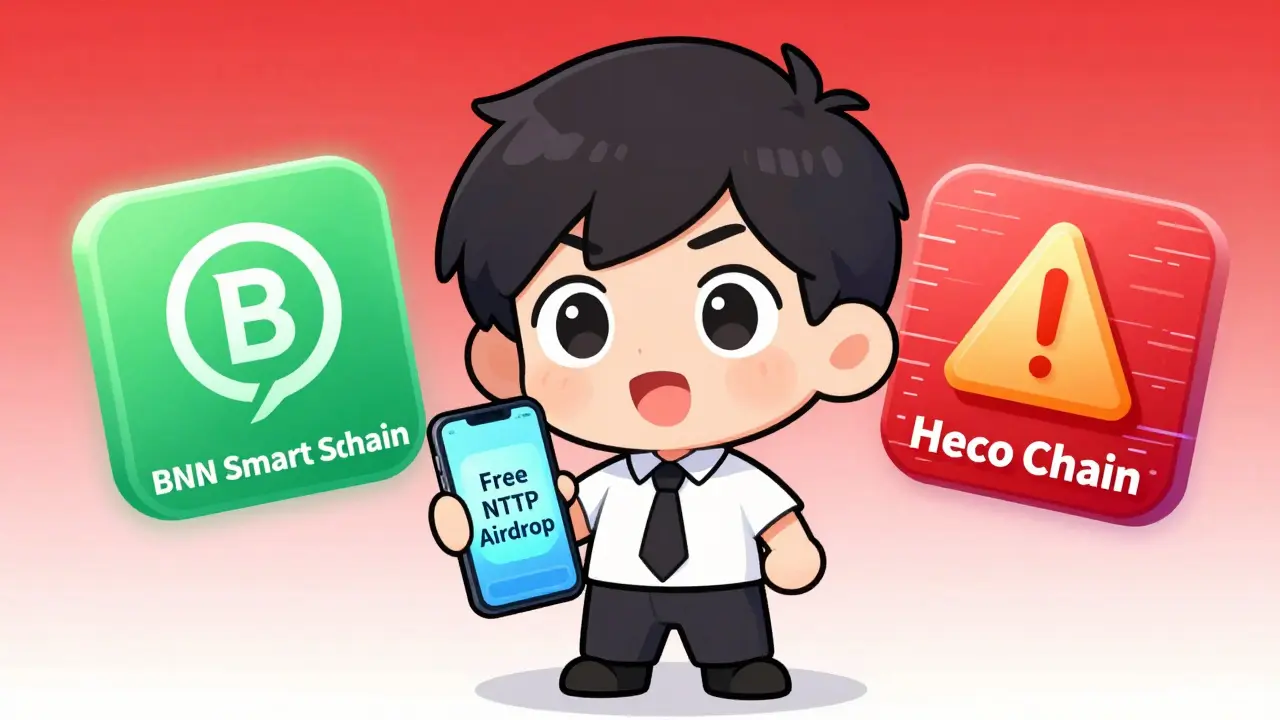
Imagine you just found out about a free airdrop for NFTP, the token behind NFT Token Pilot. The hype is real, and promises of easy gains are everywhere. But here is the catch that could cost you your entire wallet balance: the project you are being told to trust might not even exist on the chain they claim.
If you have been seeing messages about an NFTP airdrop on Heco Chain, stop right now. This is likely a trap. The legitimate NFT Token Pilot project operates exclusively on the BNB Smart Chain. Mixing up these two networks is a common tactic used by scammers to drain funds from unsuspecting users. In this guide, we will break down exactly what NFTP is, why the Heco Chain rumor is dangerous, and how to protect yourself while navigating the messy world of crypto airdrops.
The Core Confusion: Heco Chain vs. BNB Smart Chain
To understand why this specific airdrop claim is suspicious, you need to look at the underlying technology. Heco Chain (Huobi ECO Chain) was once a popular platform for trading, but its relevance has faded significantly in recent years. Meanwhile, BNB Smart Chain remains one of the most active ecosystems for decentralized applications and NFTs.
NFT Token Pilot, launched in 2021, built its infrastructure specifically on the BNB Smart Chain. Its contract address starts with `0x37b0...` and is verified on BSCScan. There is no official record of an NFTP token deployed on Heco Chain. When you see a call to action asking you to connect your wallet to a Heco-based site to claim NFTP, you are interacting with a clone or a phishing site designed to steal your assets.
| Feature | Legitimate NFTP Project | Suspicious Heco Airdrop Claims |
|---|---|---|
| Blockchain Network | BNB Smart Chain (BEP20) | Heco Chain (HECO) |
| Contract Address | Verified on BSCScan (0x37b0...978607) | Often fake or unverified contracts |
| Official Website | nfttokenpilot.com | Look-alike domains or temporary landing pages |
| Trading Volume | Extremely low / Dormant | Non-existent or manipulated |
This distinction is critical. Scammers rely on the fact that many users do not check which network their wallet is connected to. By directing you to a Heco interface, they can trick you into signing malicious transactions that grant them access to your other tokens on different chains if your wallet permissions are overly broad.
The Current State of NFTP: Is It Still Alive?
Even if you ignore the Heco red flag, you must ask yourself: is NFT Token Pilot actually worth claiming? The data paints a concerning picture. As of mid-2026, NFTP shows signs of being a dormant or "zombie" project.
Market metrics are essentially zero. The price hovers around $0.000016 on minor trackers like Crypto.com, while major exchanges list it as effectively valueless. More alarming is the supply data: reports show a maximum supply of 2 billion tokens, yet the circulating supply is listed as 0. This mathematical impossibility suggests that either the token distribution never completed, or the project has abandoned its roadmap entirely.
The fully diluted market cap sits at a mere ~$32,000. For context, this means the entire project is worth less than a high-end gaming PC. With no visible trading volume and a ranking of #999999 on most tracking platforms, there is no liquidity. Even if you successfully claimed thousands of NFTP tokens, you would have nowhere to sell them without crashing the price to absolute zero.
Expert analysis suggests that while the whitepaper mentioned "innovative technology," the execution failed to gain traction. The lack of community engagement on Reddit, Trustpilot, or Twitter further indicates that the developer team may have moved on to new ventures, leaving early adopters holding worthless bags.
How NFT Airdrop Scams Work in 2026
Understanding the mechanics of these scams helps you spot them before you click. Here is the typical flow for a fake airdrop campaign:
- The Hook: You receive a message via Telegram, Discord, or email promising free NFTP tokens on Heco Chain.
- The Lure: The link leads to a website that looks professional but uses a slightly misspelled domain (e.g., nft-token-pilot-airdrop.com instead of nfttokenpilot.com).
- The Connection: You are asked to connect your wallet (like MetaMask or Trust Wallet) to "verify eligibility."
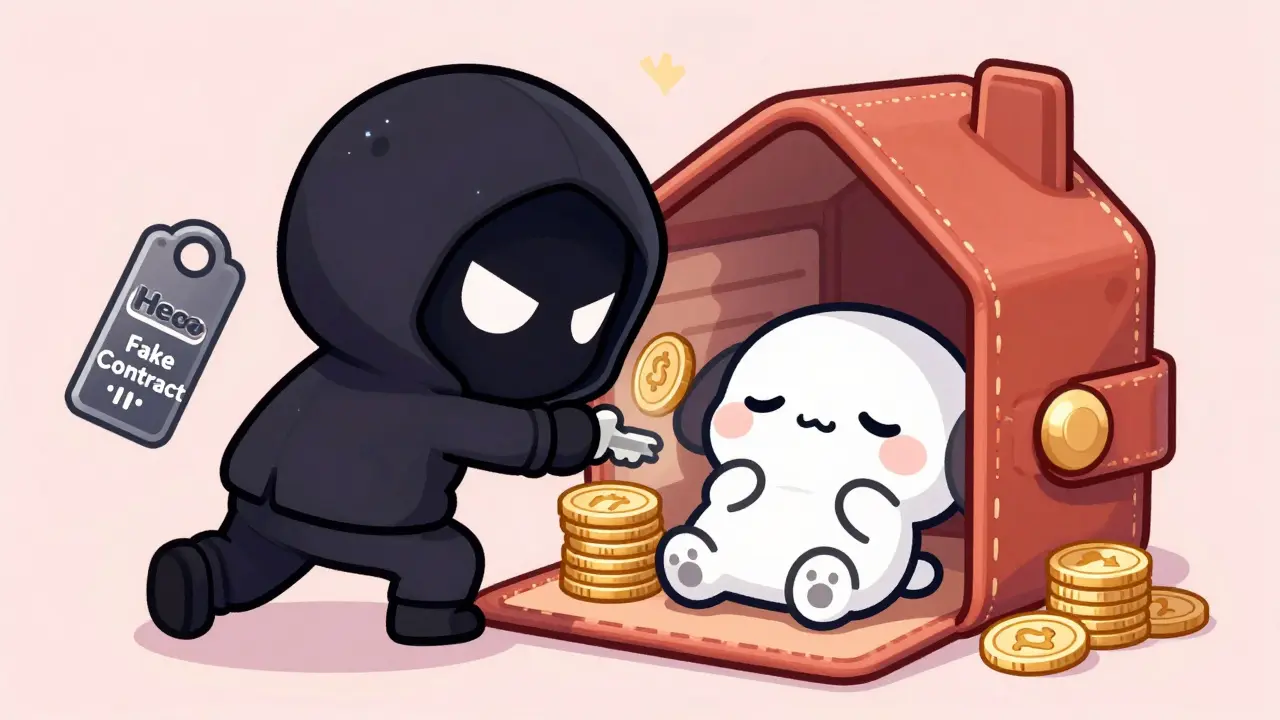
- The Trap: The site prompts you to sign a transaction. This isn't just a simple gas fee payment; it’s often an "approve unlimited spending" request for a malicious smart contract.
- The Drain: Once approved, the scammers instantly sweep all compatible tokens from your wallet across multiple chains, not just Heco.
The reason they use Heco Chain for NFTP scams is twofold. First, Heco has lower security awareness among casual users compared to Ethereum or Solana. Second, it allows scammers to create fake tokens with the same name as legitimate ones, creating confusion. If you hold actual HECO tokens, those might be stolen too, but the primary goal is usually to compromise your wallet's overall security settings.
Safety Checklist: Verifying Any Airdrop
Before you participate in any future airdrop, whether it's for NFTP or another project, run through this checklist. These steps are non-negotiable if you want to keep your crypto safe.
- Check the Official Channels: Go directly to the project's verified Twitter account or official website. Do not click links from DMs or random comments. If the official site doesn't mention the airdrop, it doesn't exist.
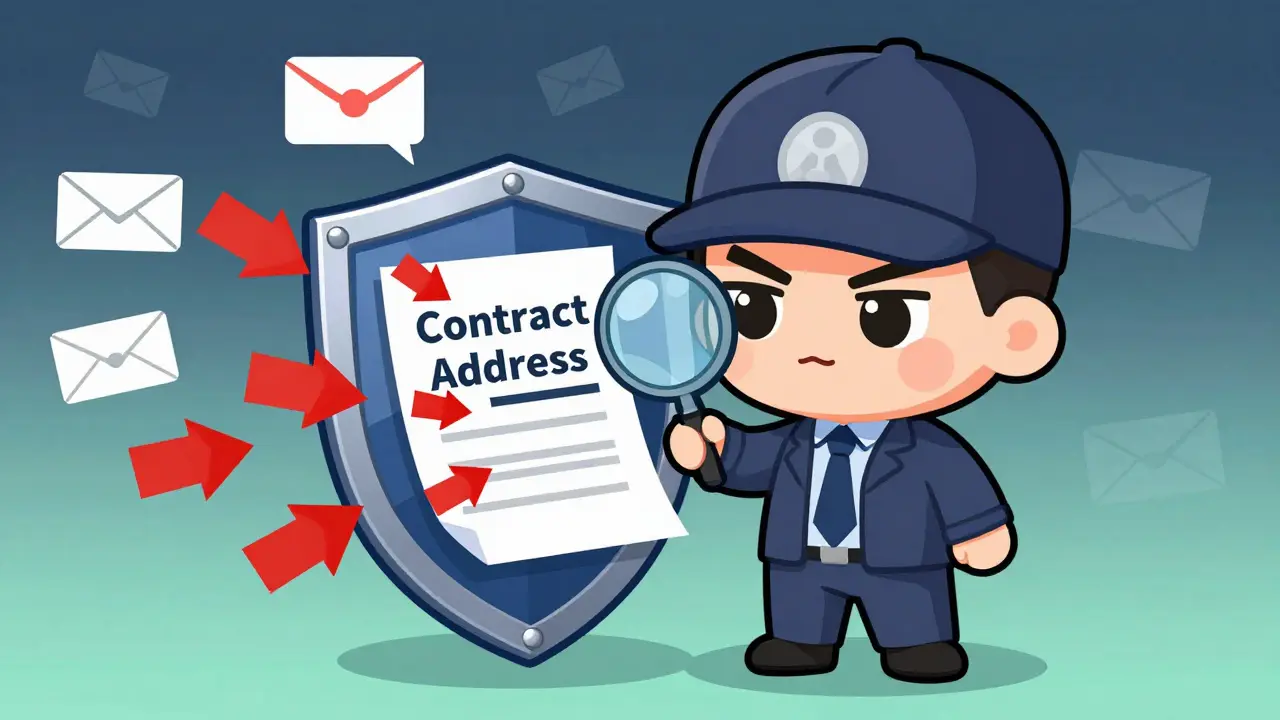
- Verify the Contract Address: Use a blockchain explorer like BSCScan or Etherscan. Copy the contract address from the official documentation and compare it to the one in the airdrop tool. They must match exactly.
- Use a Burner Wallet: Never connect your main wallet, where you store your life savings, to unverified airdrop sites. Use a separate wallet with minimal funds. If it gets drained, the loss is contained.
- Revoke Permissions Regularly: Use tools like Revoke.cash to check which contracts have access to your wallet. If you see an unknown contract with unlimited approval, revoke it immediately.
- Ignore Urgency: Scammers create fake countdown timers to make you act fast. Real projects give you time to verify details. If it feels rushed, walk away.
What To Do If You Already Connected Your Wallet
If you recently connected your wallet to a suspicious NFTP/Heco site, don't panic, but act quickly. Time is money in crypto security.
First, move any remaining funds to a new, secure wallet address. Assume your current wallet is compromised. Next, go to Revoke.cash and connect your wallet to find any active approvals. Look for the contract associated with the fake airdrop and revoke its access. This prevents the scammer from draining your tokens later.
Finally, monitor your transaction history on the blockchain explorer. If you see outgoing transactions you didn't authorize, report them to the exchange or wallet provider immediately, though recovery is rarely possible. The key lesson here is prevention: always verify the source before connecting.
Conclusion: Stick to Verified Projects
The story of the NFTP Heco Chain airdrop is a classic example of why due diligence matters more than FOMO (Fear Of Missing Out). While NFT Token Pilot is a real project on BNB Smart Chain, its current status is dubious at best, with near-zero value and activity. The claims of a Heco Chain deployment are almost certainly fraudulent attempts to exploit confused users.
In the crypto space, if something sounds too good to be true-especially when it involves obscure chains and dead projects-it probably is. Focus your energy on active communities with transparent roadmaps and verified smart contracts. Your digital assets are only as safe as your skepticism.
Is the NFTP airdrop on Heco Chain real?
No, it is highly likely a scam. The legitimate NFT Token Pilot (NFTP) operates on the BNB Smart Chain, not Heco Chain. Any site claiming otherwise is attempting to phish your wallet credentials or drain your funds.
What is the current value of NFTP tokens?
As of 2026, NFTP has negligible value, trading around $0.000016 on minor platforms with virtually no liquidity. The circulating supply is reported as zero, making it difficult or impossible to sell.
How can I verify if an airdrop is legitimate?
Always check the project's official website and verified social media channels for announcements. Verify the smart contract address on a blockchain explorer like BSCScan. Never click links from unsolicited messages, and use a burner wallet for interactions.
Why do scammers use Heco Chain for fake airdrops?
Scammers often use less mainstream chains like Heco because users are less familiar with their security features. Additionally, it allows them to deploy fake tokens with similar names to legitimate ones, creating confusion and lowering user vigilance.
What should I do if I connected my wallet to a fake NFTP site?
Immediately transfer your funds to a new, secure wallet. Then, use a service like Revoke.cash to remove any unauthorized spending approvals granted to the malicious contract. Monitor your transaction history for any unusual activity.