
You wake up one morning and your bank account is frozen. Or worse, the government announces that cryptocurrency transactions are now illegal, and all local exchanges have been shut down overnight. If you kept your coins on those platforms, they’re gone-or at least inaccessible until a legal process that could take years plays out. This isn’t science fiction; it’s the reality for millions of people living under strict financial regulations.
In these high-stakes environments, non-custodial crypto wallets are digital tools that give users full control over their private keys without relying on third-party intermediaries. They represent the only true form of ownership in the digital asset space. Unlike custodial services where a company holds your funds, non-custodial solutions operate on a simple principle: if you don’t hold the keys, you don’t own the crypto. For citizens in restricted countries, this distinction isn't just philosophical-it's the difference between financial freedom and total loss.
The Core Difference: Who Holds the Keys?
To understand why non-custodial wallets matter in restricted regions, you first need to grasp the fundamental split in how crypto storage works. There are two main types: custodial and non-custodial.
Custodial wallets are like traditional bank accounts. You create an account with a service provider (like an exchange), and they hold your private keys for you. It’s convenient. If you forget your password, they can reset it. But there’s a catch: they also control access to your funds. In many countries, governments can order these providers to freeze accounts or block withdrawals. The collapse of FTX in November 2022 highlighted this risk globally. Customers lost access to billions of dollars because the company mismanaged their assets. While repayments were expected by mid-2024, the liquidity crunch lasted 18 months. In a restricted country, that wait time might never end.
Non-custodial wallets flip this model. You generate the private keys yourself. No company sees them. No company stores them. When you send a transaction, your device signs it locally before broadcasting it to the blockchain. This means no intermediary can stop you from moving your money, provided the network itself isn’t blocked. According to analysis from the Wilson Center in July 2024, this 'verifiable ownership' model is critical in jurisdictions where state-controlled financial intermediaries face regulatory uncertainty.
| Feature | Custodial Wallet | Non-Custodial Wallet |
|---|---|---|
| Private Key Control | Third Party (Exchange) | User |
| KYC Requirement | Mandatory | None |
| Recovery Options | Password Reset / Support | Seed Phrase Only |
| Government Freeze Risk | High | Low (Network Dependent) |
| Technical Skill Needed | Low | Medium to High |
Why Restrictions Make Self-Custody Essential
In countries with heavy crypto restrictions, the primary goal is often surveillance and control. Governments may mandate Know Your Customer (KYC) protocols for all financial transactions. Custodial exchanges comply with these laws because they want to remain operational. They collect your ID, monitor your transfers, and report suspicious activity.
Non-custodial wallets bypass this entirely. Since there is no central entity managing the wallet, there is no one to ask for your ID. You download the software, generate a wallet address, and start using it. This anonymity is powerful. However, it comes with a significant trade-off: responsibility.
When you use a non-custodial wallet, you are your own bank. There is no customer support hotline to call if you make a mistake. As noted in BitPay’s 2024 analysis, "it is impossible to recover digital assets if users lose private keys." In a restricted environment, losing your access method doesn't just mean inconvenience; it means permanent loss of wealth with no recourse to legal aid or insurance.
Types of Non-Custodial Solutions
Not all non-custodial wallets are created equal. Depending on your technical comfort level and the value of your assets, you’ll choose different tools. Here are the three most common categories:
- Browser Extensions: Tools like MetaMask (v11.15.0) integrate directly into your web browser. They are excellent for interacting with decentralized applications (dApps) like Uniswap or PancakeSwap. They are free but require your computer to be online and secure from malware.
- Mobile Apps: Applications such as Trust Wallet (v2.10.0) offer convenience. You carry your wallet in your pocket. They support multiple blockchains and are user-friendly, making them a good entry point for beginners. However, mobile devices are more susceptible to theft or loss.
- Hardware Wallets: Devices like the Ledger Nano S ($79 USD) or Ledger Nano X ($149 USD) store your private keys offline. This is the gold standard for security. Even if your computer is infected with a virus, the attacker cannot steal your funds because the signing happens inside the hardware device. Ledger Academy’s 2024 specifications highlight that this offline signing prevents remote hacking attempts.
The Seed Phrase: Your Ultimate Password
If you decide to go non-custodial, you will encounter the concept of a "seed phrase" or "recovery phrase." This is a sequence of 12 to 24 random words generated when you set up your wallet. This phrase is the master key to your entire crypto portfolio.
Here is the hard truth: if you lose this phrase, your money is gone forever. No company can help you. If someone else gets this phrase, they can drain your wallet instantly. There is no middle ground.
In restricted countries, protecting this phrase is even more critical. You should never store it digitally. Do not take a screenshot. Do not save it in a cloud note. Write it down on paper or etch it onto metal. Keep it in a physical location that is safe from fire, water, and theft. Some users in high-risk areas use "Shamir Backup" methods, which split the seed phrase into multiple parts, requiring several pieces to reconstruct the whole. This adds a layer of security against forced disclosure.
Navigating Technical Barriers and Censorship
Using non-custodial wallets in restricted countries isn't just about security; it's about accessibility. Many nations block access to blockchain explorers, dApp interfaces, or even the websites where you download wallet software. To get around this, users often rely on Virtual Private Networks (VPNs) to mask their IP addresses and access global internet resources.
However, technology alone isn't enough. The learning curve is steep. Forvis Mazars’ March 2025 risk management report notes that understanding blockchain transactions, network fees, and smart contract verification requires significant effort. MetaMask’s user onboarding data suggests it takes 10 to 40 hours to become proficient. In regions where educational resources are censored, finding reliable information can be difficult. Users must rely on community forums, peer-to-peer knowledge sharing, and careful verification of sources to avoid scams.
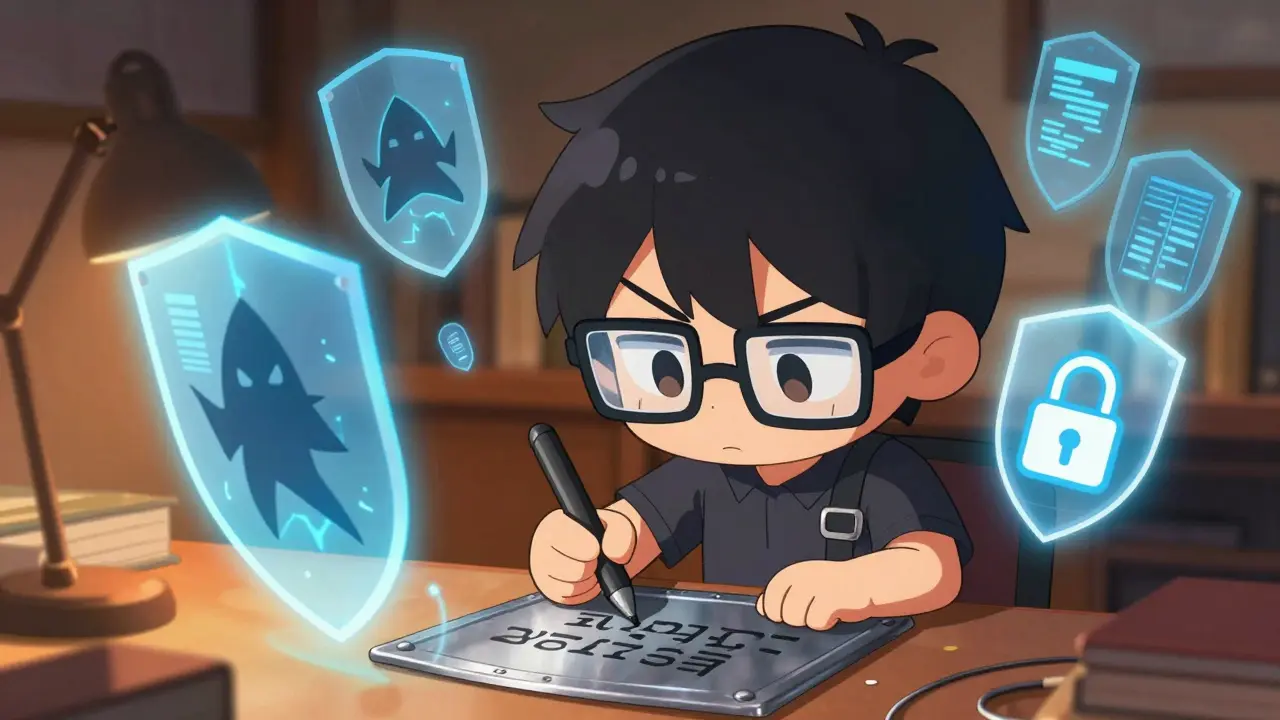
Risks Beyond Hacking: Phishing and Human Error
While non-custodial wallets protect you from government seizure and exchange hacks, they expose you to different threats. The biggest risk isn't a sophisticated hacker breaking into the blockchain; it's you clicking a fake link.
Phishing attacks are rampant. Scammers create fake versions of popular wallets or dApps to steal your seed phrase. Always verify URLs manually. Never enter your seed phrase into any website or app-legitimate services will never ask for it. Another common error is sending funds to the wrong network. Sending Bitcoin to an Ethereum address, for example, results in permanent loss. Double-checking network parameters and recipient addresses is non-negotiable.
User feedback from Reddit communities highlights these fears. One user reported losing $3,200 after misplacing their seed phrase while moving countries. In restricted environments, where you can't easily replace documents or access support, these mistakes are catastrophic. Education is your best defense.
Practical Steps for Getting Started
If you live in a restricted country and want to adopt self-custody, follow these steps carefully:
- Choose the Right Tool: Start with a reputable hardware wallet if you plan to store significant value. For smaller amounts, a trusted mobile app like Trust Wallet is sufficient.
- Secure Your Connection: Use a reliable VPN to access wallet downloads and blockchain networks if they are blocked in your region.
- Back Up Properly: Write down your seed phrase on paper. Store it in a secure, physical location. Consider using a metal backup plate for long-term durability.
- Start Small: Test your setup with a small amount of crypto first. Send a tiny transaction to yourself to ensure you understand the process.
- Verify Everything: Always double-check contract addresses and network settings. Use official sources for dApp links.
The Future of Sovereign Asset Control
As regulatory pressures increase globally, the demand for non-custodial solutions will likely grow. Innovations like multi-signature wallets, which require multiple parties to approve a transaction, offer enhanced security for shared or high-value assets. Cross-chain interoperability allows users to move assets across different blockchains seamlessly, reducing dependency on single-network ecosystems.
Despite these advancements, the core message remains unchanged. In a world where digital assets are increasingly targeted by regulators, self-custody is the ultimate safeguard. It places power back in the hands of the individual. But with that power comes immense responsibility. You must be vigilant, educated, and disciplined. There are no safety nets. Your security depends entirely on your actions.
Can the government track my non-custodial wallet?
While the wallet itself is anonymous, blockchain transactions are public. If you link your identity to a wallet address (e.g., through a KYC exchange withdrawal), authorities can trace your activity. Using non-custodial wallets helps avoid initial identification, but operational security is crucial to maintain privacy.
What happens if I lose my hardware wallet?
If you have your seed phrase, you can restore your wallet on a new device. The hardware wallet is just a tool to sign transactions; the keys exist in your seed phrase. Without the seed phrase, however, the funds are unrecoverable even if you keep the device.
Are non-custodial wallets legal in restricted countries?
Legality varies by jurisdiction. While owning a wallet may not be explicitly banned, using it to transact might violate local financial regulations. Users should research local laws carefully, though enforcement against personal non-custodial holdings is often difficult for governments.
Do I need a VPN to use a non-custodial wallet?
A VPN is not strictly required to use the wallet, but it is often necessary in restricted countries to access blockchain explorers, dApps, or wallet download sites that are blocked by national firewalls. It also helps protect your IP address from being logged.
Which is safer: MetaMask or a Hardware Wallet?
A hardware wallet is significantly safer for storing large amounts of crypto because it keeps private keys offline. MetaMask is a software wallet connected to the internet, making it more vulnerable to malware and phishing attacks. Many users combine both by connecting MetaMask to a hardware device for enhanced security.