You’ve probably seen the memes. You’ve definitely seen the charts spike and crash. But what is Guacamole (GUAC), really? Is it just another avocado-themed joke token that will vanish by next week, or has it built something actual on the blockchain?
If you are looking at GUAC right now, you are likely confused by the price discrepancies across different exchanges. One site says it’s worth fractions of a penny; another shows slightly higher figures. That confusion is normal for a token that lives primarily in decentralized finance (DeFi). Let’s cut through the noise. I’m going to break down exactly what GUAC is, how it works on Solana, and whether it has any legs beyond being a funny name.
The Origin Story: From Cinco de Mayo to DeFi
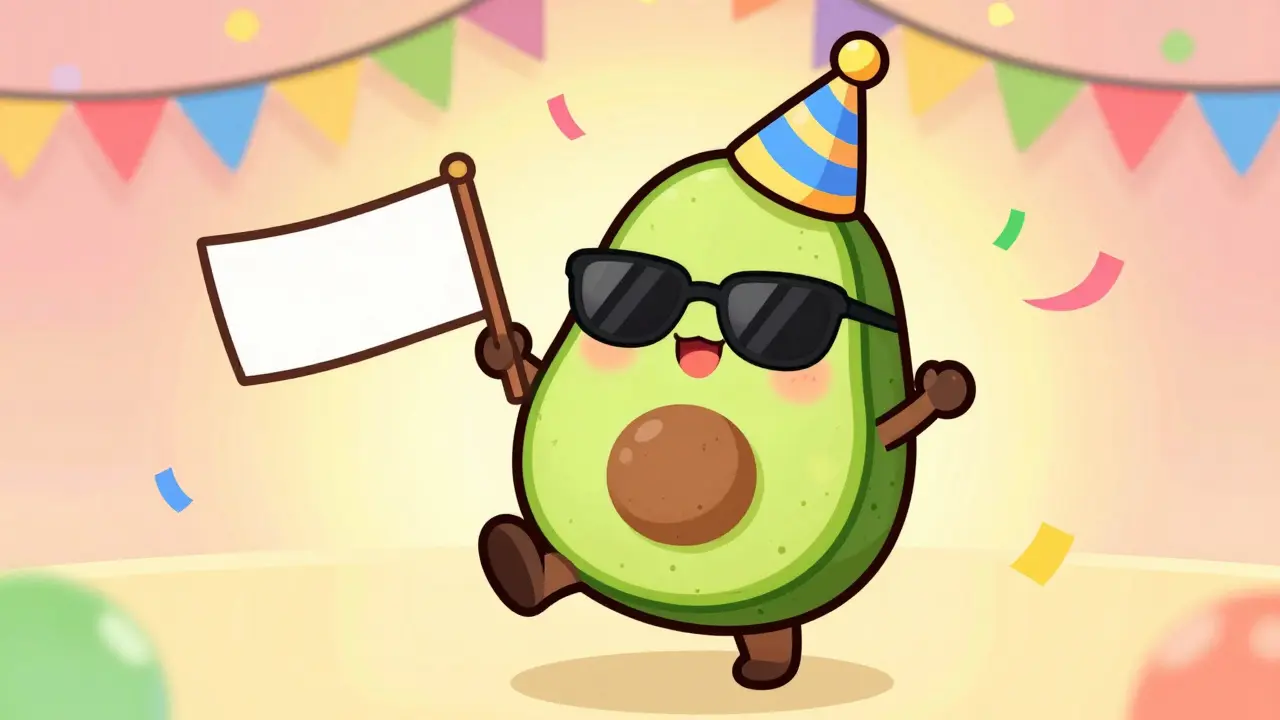
Most crypto projects start with whitepapers that read like technical manuals. GUAC started with a party vibe. It launched during the week of Cinco de Mayo in 2023. The timing wasn’t accidental. The team wanted to tap into the cultural moment of celebration, food, and community.
But here is the twist. Unlike many meme coins that launch with heavy presales, insider allocations, and venture capital backing, GUAC did a "fair launch." This means no special deals for early investors. No hidden wallets waiting to dump tokens on retail buyers later. Instead, they posted the contract address-AZsHEMXd36Bj1EMNXhowJajpUXzrKcK57wW4ZGXVa7yR-only after liquidity was already deposited.
This approach is rare. By pairing 94% of the total supply against USDC (USD Coin) on Raydium immediately, they created instant trading volume. They forced the market to discover the price from day one, rather than letting insiders set it. It was a bold move that signaled trust in the community rather than institutional backers.
Why Solana Matters for GUAC
GUAC operates natively on the Solana blockchain. This is not a random choice. Solana is known for high speed and low transaction fees. For a token that aims to be used for shopping, gaming, and micro-transactions, Ethereum would be too slow and expensive.
When you buy GUAC, you aren’t interacting with a centralized server. You are interacting with smart contracts on Solana. This makes every trade transparent and verifiable. However, it also means you need a wallet that supports Solana, like Phantom or Solflare. If you try to send GUAC to an Ethereum address, you will lose your tokens. There is no undo button in crypto.
The reliance on Solana also ties GUAC’s fate to the health of the Solana network. When Solana performs well, DeFi tokens like GUAC tend to gain visibility. When Solana faces congestion or outages, trading can become difficult. It is a symbiotic relationship.
MemeFi: More Than Just a Joke
The term "MemeFi" is becoming common. It blends "meme" culture with "DeFi" functionality. GUAC positions itself squarely in this category. It acknowledges its roots as a meme coin but tries to offer utility.
So, what can you actually do with GUAC? The ecosystem, managed by AvocaDAO, suggests several use cases:
- Trading: The primary function. GUAC is traded against stablecoins and other tokens.
- Gaming: Play-to-earn mechanics where users might earn GUAC rewards.
- Shopping: Potential integration with e-commerce platforms within the ecosystem.
- Governance: Holding GUAC may give you a voice in AvocaDAO decisions.
This multi-faceted approach is designed to keep holders engaged. If GUAC were just a store-of-value asset, people would sell when the price dropped. By adding games and shopping options, the project hopes to create sticky demand. You hold the token because you want to use it, not just because you hope it goes up.
The Price Puzzle: Why Numbers Vary So Much
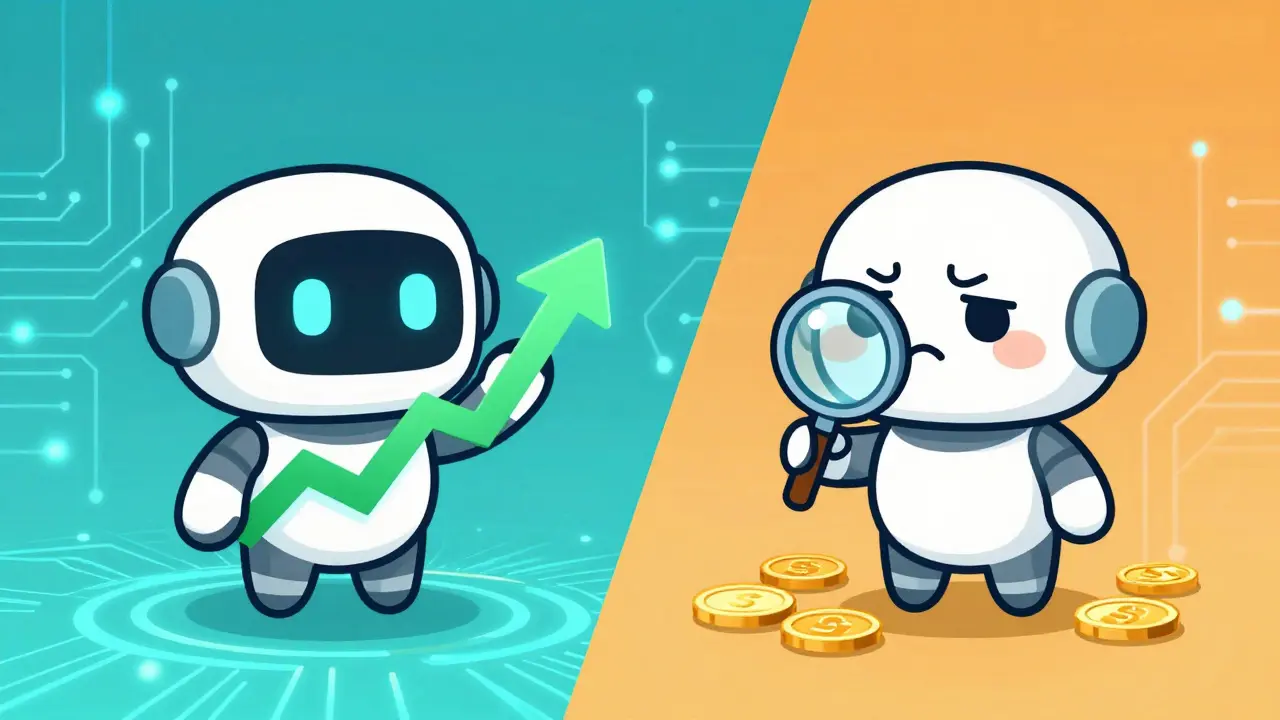
If you look up GUAC price today, you will see a mess. As of mid-2026, data aggregators show wildly different figures. Some sources list the price around $0.07, while others show prices in the range of $0.000000008. How can this be?
It comes down to liquidity fragmentation. GUAC trades on multiple Decentralized Exchanges (DEXs). The main pairs are on Raydium, Meteora, and Orca. Each of these platforms has its own order book and liquidity pool.
| Exchange/Platform | Type | Primary Pair | Liquidity Status |
|---|---|---|---|
| Raydium | DEX | GUAC/USDC | Highest Volume (Launch Pool) |
| Meteora | DEX | GUAC/SOL, GUAC/USDT | Moderate Volume |
| Orca | DEX | GUAC/SOL | Niche Pairs |
| CoinEx | CEX | GUAC/USDT | Limited Centralized Access |
Data aggregators like CoinGecko, CoinMarketCap, and Coinbase pull data from different APIs. Sometimes they weight Raydium more heavily; sometimes they average all pools. Because GUAC has a massive circulating supply-approximately 98 to 99 trillion tokens-a tiny change in price results in huge swings in market cap calculations.
For example, if the price is $0.000000008, the market cap is roughly $900,000. If the price is $0.07, the math breaks unless the supply figure is wrong. Most reliable sources point to the sub-cent valuation. Always check the specific exchange you are using, not just the aggregated number.
Tokenomics: Supply and Distribution
Let’s talk about the numbers that matter. The total supply of GUAC is fixed. There are no new tokens being minted. The circulating supply sits at around 98.7 trillion GUAC. This is a huge number, which is why the individual token price is so small. It’s similar to how Shiba Inu or Dogecoin work-you don’t buy one coin; you buy millions of them.
The distribution model is key here. Remember that fair launch? It meant that 94% of the tokens were immediately available for trading via the Raydium pool. This prevents the "rug pull" scenario where developers hold 50% of the supply and dump it on users. While no token is 100% safe, the lack of insider allocations reduces one major risk factor.
However, high supply also means high inflation pressure if new tokens are released into circulation from dormant wallets. Since there is no active minting, the supply is static, but holder behavior drives volatility. If large holders (whales) decide to sell, the thin liquidity on smaller DEXs can cause significant price drops.

How to Buy GUAC Safely
You cannot buy GUAC directly on Binance’s main centralized exchange. You might see it listed on some CEXs like CoinEx, but the bulk of trading happens on-chain. Here is how most people acquire it:
- Get a Solana Wallet: Download Phantom or Solflare. Secure your seed phrase offline. Never share it.
- Fund with SOL: Buy Solana (SOL) on a major exchange like Coinbase or Kraken and transfer it to your wallet.
- Connect to a DEX: Go to Raydium or Jupiter (an aggregator). Connect your wallet.
- Swap SOL for GUAC: Paste the official contract address (
AZsHEMXd36Bj1EMNXhowJajpUXzrKcK57wW4ZGXVa7yR). Double-check it. Scammers create fake GUAC tokens. - Execute Trade: Set your slippage tolerance (usually 1-2%) and confirm the swap.
Be aware of gas fees. On Solana, they are pennies. But if you make a mistake, like sending funds to the wrong address, those funds are gone forever. There is no customer support to call.
Risks and Red Flags
I am not giving financial advice. I am giving you context. GUAC is a high-risk asset. Here is why:
Volatility: The price can swing 20% in an hour. This is typical for low-cap meme coins. If you cannot handle losing half your investment in a day, stay away.
Liquidity Risk: While Raydium has decent volume, other pools are shallow. Selling a large amount of GUAC could crash the price instantly.
Utility Uncertainty: The "play-to-earn" and "shopping" features are still evolving. Until these are widely adopted, GUAC remains largely speculative.
Competition: The Solana meme coin space is crowded. Tokens like BONK, WIF, and POPCAT have larger communities and deeper liquidity. GUAC competes for attention in a noisy market.
Is GUAC Worth Your Attention?
That depends on your goals. If you are looking for a stable investment, GUAC is not it. If you are interested in the intersection of meme culture and decentralized governance, it offers an interesting case study. The fair launch model and community-driven development via AvocaDAO are commendable efforts in a space often dominated by insiders.
Keep an eye on the development roadmap. Are new games launching? Is AvocaDAO making meaningful decisions? These factors will determine if GUAC survives as a niche community token or fades into obscurity. For now, it remains a vibrant, volatile piece of the Solana ecosystem.
What is the contract address for Guacamole (GUAC)?
The official Solana contract address for GUAC is AZsHEMXd36Bj1EMNXhowJajpUXzrKcK57wW4ZGXVa7yR. Always verify this address before trading to avoid scams.
Can I buy GUAC on Binance?
No, GUAC is not listed on Binance's centralized exchange. You can only trade it on decentralized exchanges (DEXs) like Raydium, Meteora, or Orca, or via Binance Web3 Wallet if supported.
Why is the GUAC price different on CoinGecko vs. CoinMarketCap?
Price discrepancies occur because GUAC trades on multiple DEXs with fragmented liquidity. Aggregators pull data from different sources and weight them differently. Always check the specific exchange you intend to trade on.
Is GUAC a scam?
GUAC launched fairly without insider allocations, reducing rug-pull risks. However, all crypto investments carry risk. The token is highly volatile and speculative. Do your own research and never invest more than you can afford to lose.
What is AvocaDAO?
AvocaDAO is the community governance structure behind the Guacamole ecosystem. It allows token holders to participate in decision-making regarding the future development and use of GUAC.
What blockchain does GUAC run on?
GUAC runs exclusively on the Solana blockchain. It is not available on Ethereum, BSC, or other networks.
What is the total supply of GUAC?
The circulating supply is approximately 98.7 trillion GUAC tokens. This high supply contributes to the low per-token price.
When was GUAC launched?
GUAC was launched in May 2023, specifically timed around Cinco de Mayo.