Why do some utility tokens skyrocket while others fade into obscurity? It’s not just hype. It’s about real usage. If you’re building a project or investing in one, understanding how to create genuine value and sustained demand is the difference between a pump-and-dump and a lasting ecosystem. This guide breaks down exactly how value gets created, maintained, and scaled in modern blockchain economies.
What Actually Drives Utility Token Value?
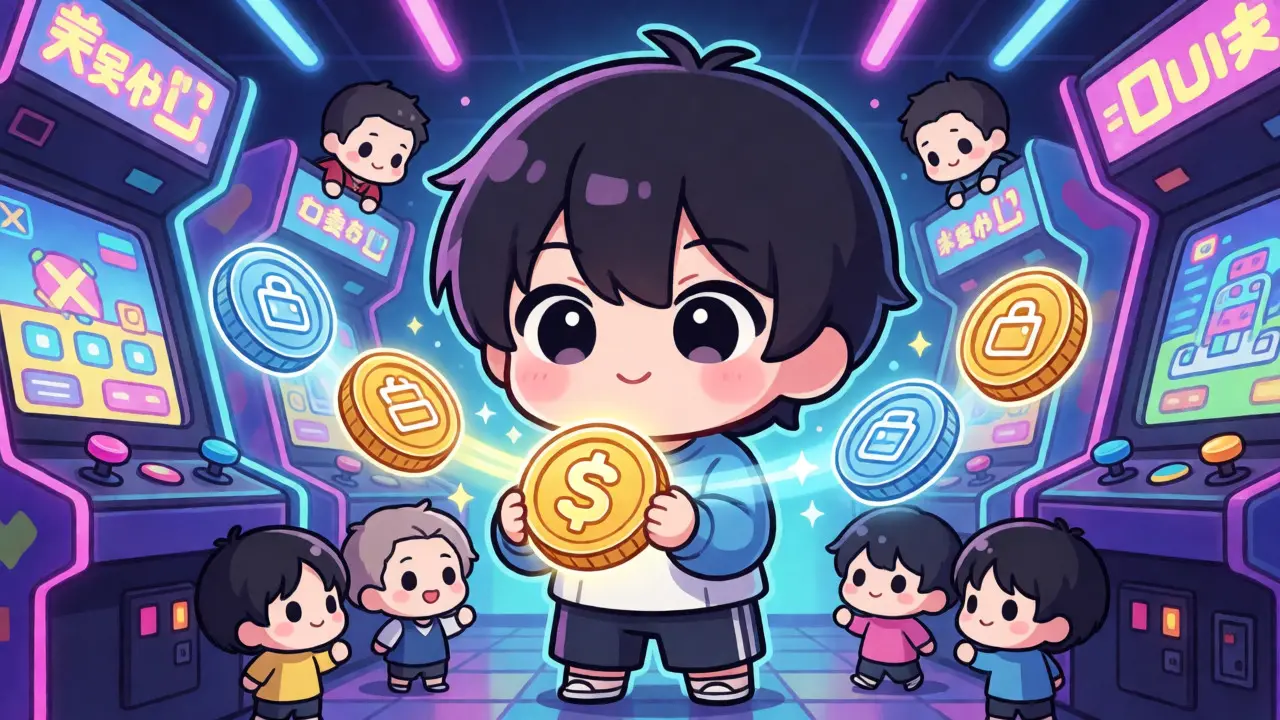
Let’s cut through the noise. A utility token isn’t stock. You don’t own part of the company. Its value comes entirely from what it lets you do inside a specific network. Think of it like arcade tokens. They have no value outside the arcade, but inside, they let you play games. If the games are fun and popular, people buy more tokens. If the arcade closes, the tokens become worthless plastic.
The core driver here is network effects. As more users join a platform, the value of each token increases because there are more ways to use it. For example, if a decentralized storage network grows from 100 to 10,000 users, the ability to find cheap, fast storage improves for everyone. This creates a feedback loop: better service attracts more users, which drives up demand for the token needed to access that service.
But network effects alone aren’t enough. You need tokenomics design. This is the economic blueprint of your token. It controls supply and demand through mechanisms like burning (removing tokens from circulation) or staking (locking tokens to earn rewards). Without these controls, inflation can crush the price even if user numbers grow.
Designing Tokenomics That Create Real Demand
Most failed projects ignore one critical rule: demand must be recurring. One-time purchases don’t build long-term value. You need users interacting with the token regularly. How do you achieve this?
- Recurring Utility: Make the token necessary for ongoing actions. Paying transaction fees, accessing premium features, or voting on governance proposals are all good examples. If users only buy the token once to get started, demand will crash after launch.
- Holding Incentives: Why should someone keep the token instead of selling it? Staking rewards are the most common answer. By locking up tokens to help secure the network, holders earn additional tokens. This reduces circulating supply and gives them a reason to hold during market dips.
- Value Capture Mechanisms: The protocol should generate revenue that benefits token holders. Some protocols use income to buy back tokens from the open market and burn them. This directly links the success of the business to the scarcity of the token.
Consider the difference between a token used for gas fees versus one used for governance. Gas fee tokens have constant, unavoidable demand every time a transaction happens. Governance tokens rely on active participation, which can be sporadic. The best designs combine both. Users pay fees to use the network and stake tokens to vote on upgrades, creating two distinct streams of demand.
Measuring Adoption and Network Health
You can’t manage what you don’t measure. To know if your token has real value, look beyond the price chart. Price is often manipulated by whales or short-term speculation. Instead, focus on adoption metrics that reflect actual utility.
| Metric | What It Measures | Why It Matters |
|---|---|---|
| Daily Active Users (DAU) | Unique wallets interacting with the protocol daily | Shows consistent engagement rather than one-off spikes |
| Transaction Volume | Total value moved through the network | Indicates the scale of economic activity |
| Token Burn Rate | Amount of tokens removed from circulation | Directly impacts scarcity and potential price appreciation |
| Staking Ratio | Percentage of total supply locked in staking | High ratios suggest strong holding incentives and reduced sell pressure |
Short-term trends can be misleading. A sudden spike in transactions might be due to a temporary promotion or airdrop farming. Look for steady growth over months. Also, analyze decentralization. If 90% of tokens are held by five wallets, the network is fragile. True value creation requires broad distribution so that many participants benefit from and contribute to the ecosystem.
Choosing the Right Technical Foundation
Your token’s value is tied to its performance. If your app is slow or expensive to use, users will leave regardless of how good the tokenomics are. Platform selection is a strategic decision that affects cost, speed, and developer accessibility.
Ethereum remains the gold standard for security and liquidity. It hosts the largest DeFi ecosystem, making it ideal for complex financial applications. However, high gas fees can deter everyday users. Solutions like Polygon offer Ethereum compatibility at a fraction of the cost, making them attractive for gaming or social apps where frequent micro-transactions occur.
Solana and Avalanche compete on speed and throughput. Solana processes thousands of transactions per second with negligible fees, perfect for high-frequency trading or NFT minting events. But remember, faster chains sometimes sacrifice decentralization. Your choice depends on who your users are. Crypto natives might tolerate high fees for maximum security, while mainstream users need low costs and instant confirmations.
Avoiding Common Pitfalls in Token Design
Many projects fail because they treat the token as a fundraising tool rather than a product feature. Here are three traps to avoid:
- Vaporware Utility: Launching a token before the product works. If users can’t actually use the token, demand evaporates immediately after the initial hype dies.
- Inflationary Death Spiral: Issuing too many tokens without corresponding demand. If the supply grows faster than the user base, the price per token drops, discouraging new buyers.
- Poor Vesting Schedules: If the team unlocks all their tokens at once, they might dump them on retail investors. Gradual vesting aligns the team’s interests with long-term success.
Another major issue is regulatory uncertainty. Utility tokens exist in a gray area in many jurisdictions. While they aren’t securities by definition, regulators may classify them differently based on how they’re marketed. Promising profits can turn a utility token into an unregistered security. Always consult legal experts to ensure your compliance framework matches your token’s structure.
Building Long-Term Sustainability
Creating value is hard; keeping it is harder. Sustainable ecosystems require alignment between all stakeholders: developers, users, validators, and investors. Everyone needs a reason to stay when the bull market ends.
Focus on community governance. When token holders can vote on key decisions, they feel ownership. This emotional investment often outweighs pure financial gain. Progressive decentralization-where control shifts from the founding team to the community over time-builds trust and resilience.
Finally, iterate based on data. Use smart contracts to monitor usage patterns. If a feature isn’t being used, adjust the incentives. Maybe lower the fee for that action or add a bonus for using it. Flexibility allows the economy to adapt to changing market conditions, preventing stagnation.
Do utility tokens always increase in value?
No. Utility tokens derive value from usage, not promises of profit. If the underlying product fails to attract users or if the token supply outpaces demand, the price can drop significantly. Unlike stocks, there is no guaranteed dividend or equity claim.
How does token burning affect value?
Token burning permanently removes tokens from circulation, reducing supply. If demand remains constant or grows, this scarcity can drive up the price per token. It’s a deflationary mechanism often funded by protocol revenues, linking business success directly to token scarcity.
Is staking necessary for creating demand?
While not strictly necessary, staking is one of the most effective ways to reduce sell pressure. By rewarding users for locking up their tokens, you decrease the available supply on exchanges. This stabilizes the price and encourages long-term holding, which supports sustainable growth.
Can a utility token become a security?
Yes, depending on jurisdiction and implementation. If investors expect profits primarily from the efforts of others and the token lacks immediate utility, regulators may classify it as a security. Clear documentation of utility functions and avoiding profit-centric marketing helps maintain its status as a utility asset.
Which blockchain is best for utility tokens?
There is no single "best" chain. Ethereum offers the highest security and liquidity but has high fees. Solana provides speed and low costs but has different decentralization trade-offs. Choose based on your target audience's needs for cost, speed, and ecosystem compatibility.