

Living in a country with strict financial controls changes how you think about money. For many people in Iran, cryptocurrency isn't just an investment; it's a lifeline. But the rules keep changing. In early 2025, the government tightened its grip, and by mid-2026, the landscape looks very different from what it was a few years ago. If you are trying to move value out or trade without getting flagged, centralized exchanges like Nobitex is the dominant local platform that handles most domestic trading but faces increasing scrutiny and security risks. are becoming risky. That leaves one question: can you use a decentralized exchange (DEX) safely?
The short answer is yes, but it’s not as simple as downloading an app. You have to navigate a maze of internet restrictions, central bank surveillance, and global sanctions. This guide breaks down exactly how Iranian citizens are accessing DEXs in 2026, which networks work best, and how to protect your assets.
Why Centralized Exchanges Are Getting Risky
For years, platforms like Nobitex were the go-to for Iranians. They handled over 87% of all crypto transactions in the country. But relying on them has become dangerous. In July 2025, Tether froze more than $42 million in funds linked to Iranian addresses. Many of these wallets had recently moved money through Nobitex. This wasn't just bad luck; it was part of a coordinated enforcement action targeting sanctions evasion.
Then came the hack. In June 2025, Nobitex suffered a massive breach losing over $90 million. While the platform tried to recover, trust eroded. More importantly, data analysis linked Nobitex to networks associated with the IRGC (Islamic Revolutionary Guard Corps). When global regulators see your funds touching these entities, they don't hesitate to freeze them. If you hold USDT on a centralized exchange, someone else holds the keys-and they might hand them over to authorities.
| Feature | Centralized (e.g., Nobitex) | Decentralized (DEX) |
|---|---|---|
| Custody | Exchange holds your funds | You hold your private keys |
| KYC Requirement | Mandatory ID verification | No identity check needed |
| Sanction Risk | High (funds can be frozen) | Low (protocol-level access) |
| Government Oversight | Full data sharing with CBI | Harder to track individual trades |
| Usability | Easy, familiar interface | Requires technical setup |
The Regulatory Trap: What Changed in 2025
You need to understand the legal environment before you connect your wallet. In January 2025, President Masoud Pezeshkian gave the Central Bank of Iran (CBI) total control over the crypto market. The new rule? Every participant must get a license and give the CBI unrestricted access to their data. This includes transaction history and wallet addresses.
This creates a paradox. On one hand, the government wants to tax and monitor you. On the other, international sanctions make it hard for them to integrate with global systems. In August 2025, Iran passed the Law on Taxation of Speculation and Profiteering, treating crypto like gold or real estate. They want a cut of your profits. But if you use a DEX, there is no middleman to report to the CBI. That’s why decentralization matters-it removes the reporting layer.
However, don’t assume you’re invisible. The CBI has been working on tools to trace blockchain activity. While they can’t stop you from using Uniswap, they can monitor public addresses. If you link your Iranian phone number or IP address to a wallet that interacts with sanctioned entities, you risk penalties. Privacy isn’t automatic; you have to build it.
How to Access DEXs from Iran
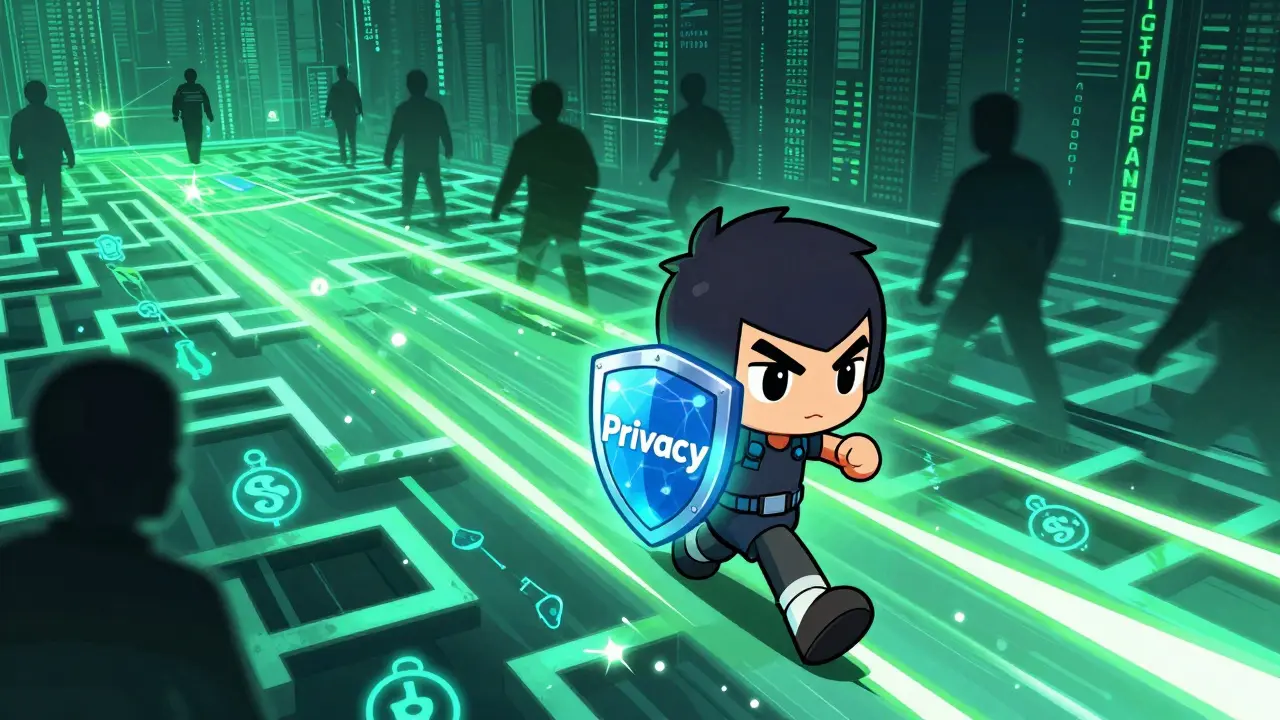
Accessing a decentralized exchange involves two hurdles: internet censorship and network connectivity. Here is the practical workflow used by savvy traders in Tehran and Isfahan.
- Secure Your Connection: Most DEX websites are accessible, but some IPs are throttled. Use a reliable VPN or proxy service. Avoid free services that log your data. Look for providers based in neutral jurisdictions that accept crypto payments.
- Choose the Right Network: Ethereum mainnet fees are too high for small transfers. In July 2025, after the Tether freezes, many Iranian users switched to Polygon is a Layer 2 scaling solution that offers fast, low-cost transactions ideal for stablecoin swaps. It’s cheap, fast, and widely supported. Other options include Arbitrum and Base, but Polygon has the deepest liquidity for DAI and USDC pairs.
- Set Up a Non-Custodial Wallet: Download MetaMask or Trust Wallet. Never share your seed phrase. Store it offline. These wallets let you interact directly with smart contracts without creating an account.
- Bridge Your Assets: If you have crypto on a local exchange, withdraw it to your personal wallet first. Then use a bridge to move it to Polygon. Avoid bridges that require KYC.
- Swap on a DEX: Connect your wallet to a platform like Uniswap, SushiSwap, or QuickSwap. Select your input token (e.g., ETH) and output token (e.g., DAI). Confirm the transaction.
Best Stablecoins for Sanctions Evasion
Not all stablecoins are equal when it comes to avoiding freezes. USDT (Tether) is convenient, but it’s also the easiest to block. Tether has frozen millions of dollars in Iranian-linked funds. If you hold USDT, you are trusting a company that cooperates with US authorities.
In 2025, the community shifted toward DAI. Unlike USDT, DAI is decentralized. It’s governed by a DAO (Decentralized Autonomous Organization) and backed by collateral on the MakerDAO protocol. No single entity can freeze your DAI. After the July 2025 crackdown, swapping USDT for DAI via Polygon became a standard safety move. Another option is USDC, but Circle (the issuer) also complies with sanctions, so it carries similar risks to USDT.
If privacy is your top priority, look into Zcash or Monero. However, these coins are harder to swap on major DEXs due to regulatory pressure on exchanges. For most users, DAI on Polygon strikes the best balance between accessibility and resilience.
Privacy Tools You Can’t Ignore
Using a DEX doesn’t automatically hide your identity. Blockchain explorers show every transaction. If you send funds from a wallet linked to your Iranian bank card, that trail is visible. To stay safe, you need operational security (OpSec).
- Use Tor Browser: Access DEX interfaces through Tor to mask your IP address. This prevents local ISPs from seeing where you’re going.
- Separate Wallets: Keep your daily trading wallet separate from your long-term storage. Never reuse addresses.
- Avoid Direct Swaps from Known Entities: If you receive funds from a sanctioned address, don’t swap them immediately. Let them sit, or mix them using a privacy tool like Wasabi Wallet (for Bitcoin) or Tornado Cash equivalents (though note that some mixers are now sanctioned themselves).
- Clear Browser Data: Regularly clear cookies and cache. Some DEXs store session data that could theoretically be subpoenaed.

Risks and Pitfalls to Avoid
Even with the right tools, mistakes happen. Here are common errors that lead to losses or exposure.
Slippage and Liquidity Pools: Small DEXs may not have enough liquidity. If you try to swap a large amount, the price will slip, meaning you get less than expected. Always check the pool depth before trading. Stick to major pairs like ETH/DAI or MATIC/USDC.
Phishing Sites: Scammers create fake versions of popular DEXs. Always bookmark the official URL. Never click links from Telegram groups or social media ads. Verify the contract address on Etherscan before interacting.
Smart Contract Risks: DEXs rely on code. If there’s a bug, you could lose everything. Stick to audited, established protocols like Uniswap V3 or Curve. Avoid new, untested platforms promising high yields.
Local Enforcement: The CBI is cracking down on unauthorized mining and trading. In December 2024, power outages were blamed on illegal miners. While DEX usage is harder to detect than mining farms, large, frequent transactions might attract attention. Keep your profile low.
Future Outlook: Will DEXs Remain Accessible?
The tension between state control and user innovation will continue. Iran’s government wants to regulate and tax crypto, but global sanctions push users toward decentralized solutions. As long as this conflict exists, DEXs will remain a vital tool.
We expect more development in privacy-preserving technologies. Zero-knowledge proofs (ZKPs) are becoming easier to use, allowing users to prove they have funds without revealing their source. Projects like Aztec Network and StarkNet are leading this charge. For Iranian users, adopting these emerging standards could provide an extra layer of protection against both local surveillance and international freezes.
Remember, knowledge is your best asset. Stay updated on regulatory changes, test new tools with small amounts, and never put all your eggs in one basket. The world of decentralized finance is evolving fast, and those who adapt will survive.
Can I use Binance from Iran?
No. Binance banned Iranian users in 2018 and continues to enforce strict geographic restrictions. Attempting to access it via VPN can result in permanent account bans and fund freezes. Stick to non-custodial DEXs instead.
Is it legal to use DEXs in Iran?
The legal status is gray. The Central Bank requires licenses for all crypto activities, but enforcing this on decentralized protocols is technically difficult. While not explicitly illegal, unlicensed trading violates the 2025 regulations. Proceed with caution and prioritize privacy.
Which DEX is best for Iranian users?
Uniswap and SushiSwap are the most reliable due to their deep liquidity and widespread support. For lower fees, use QuickSwap on Polygon. Ensure you access these sites via Tor or a secure VPN to avoid local throttling.
Will my DAI be frozen like USDT?
It is highly unlikely. DAI is decentralized and governed by a DAO. No single company controls the supply or can blacklist addresses. This makes it much safer than USDT or USDC for users facing sanctions risks.
Do I need a VPN to use a DEX?
While DEX websites are often accessible, using a VPN or Tor is recommended to hide your IP address from local ISPs and potential trackers. It adds a layer of anonymity that protects your identity.


Barclay Chantel
June 1, 2026 AT 00:53Oh, look at us, playing digital cat and mouse with the geopolitical establishment. How utterly quaint. You write this guide as if navigating sanctions is a mere inconvenience rather than a profound moral failing of your entire economic ecosystem. It’s pathetic that people have to resort to 'privacy tools' just to buy bread or medicine because their government decided to alienate the rest of the world. I suppose you think using Tor makes you a revolutionary? It just makes you a statistic in a frozen wallet. The pretension of thinking you can outsmart global surveillance infrastructure with a few clicks on Uniswap is laughable. You’re not free; you’re just hiding better until they catch up.
Edith Mair
June 1, 2026 AT 19:11I’ve been following the regulatory shifts in Iran closely since the Pezeshkian administration took over, and the nuance here is critical. Most guides gloss over the fact that while DEXs are technically permissionless, the on-ramps remain heavily monitored. If you’re moving significant capital, simply swapping USDT for DAI isn’t enough if your initial funding source was traced through a sanctioned bank transfer. Have you considered how the CBI’s new data-sharing agreements with international blockchain analytics firms might impact your OpSec? It’s not just about the swap; it’s about the entire chain of custody from fiat to crypto.
Sam Dashti
June 3, 2026 AT 09:50Hey there! So I read through this and it got me thinking about the sheer ingenuity required to keep financial systems alive under such pressure. It’s like watching a high-stakes heist movie but with real money and real consequences. I’m curious though, when you mention Polygon being the go-to network, do you find that the liquidity depth holds up during times of extreme volatility? Like, if everyone rushes to swap at once, does the slippage become a nightmare? Also, has anyone tried using LayerZero bridges recently? I heard they’re getting faster but wanted to see if anyone here has actual experience with them in this specific context.
Joe Clements
June 4, 2026 AT 21:11This is incredibly helpful information, thank you for sharing it. It must be so stressful to navigate these changing rules every day. I really appreciate how you broke down the steps clearly, especially the part about keeping wallets separate. It gives me a bit more understanding of what people in those situations are going through. Please stay safe and take care of yourselves.
Rosie Morris
June 6, 2026 AT 06:47omg this is so scary but also kind of cool how tech helps ppl survive. i always thought crypto was just for rich guys in suits but reading this makes me realize its actually a lifeline for regular folks trying to eat. thanks for explaining it so simply!
lorna erni
June 8, 2026 AT 03:55Listen up! You need to stop relying on outdated advice. Tornado Cash is dead in the water for most users now due to sanctions, so mentioning it without a massive warning label is negligent. You want privacy? Look into Aztec Network or StarkNet immediately. These ZK-rollups are the only way to truly obscure transaction metadata without triggering red flags on compliant exchanges. Don’t let lazy guides lead you into a freeze. Adapt or die, folks. The landscape changed overnight and if you’re still using basic mixers, you’re already compromised.
stalin brian
June 9, 2026 AT 13:56hey guys, just wanna say that cultural context matters a lot here. in my community, we often use local peer-to-peer networks before even touching the blockchain. its a nice buffer zone. also, did u know that some regions have specific vpn providers that are safer than others? i found one that doesnt log anything and accepts btc. hope this helps someone out there who needs a bit more guidance on the ground level stuff.
kamal ifrani
June 10, 2026 AT 07:40Another sensationalized piece of propaganda designed to make you feel smart while you walk into a trap. Do you really think the CBI is stupid? They monitor ISP traffic patterns. Your 'secure VPN' is just another node they can subpoena or throttle. And don't get me started on the moral bankruptcy of suggesting sanctions evasion as a lifestyle choice. You're not fighting oppression; you're breaking international law and enabling regimes that hurt their own people. It's disgusting how many people glorify this criminal activity. Wake up.
Hadleigh Edwards
June 10, 2026 AT 12:30I have to say that reading through this comprehensive guide has given me a tremendous amount of hope for the future of decentralized finance, especially when considering the resilience of communities facing such severe economic restrictions and governmental oversight, which ultimately serves as a powerful testament to the human spirit's ability to adapt and innovate in the face of adversity, thereby creating new pathways for financial freedom and security that were previously unimaginable to those of us living in more stable economic environments where such drastic measures are rarely necessary or even conceivable in our daily lives.
mark valmart
June 11, 2026 AT 23:59man, this is wild. i mean, i guess if you gotta do it, you gotta do it. just dont forget to backup your seed phrase somewhere physical. not on your phone, not in the cloud. paper. metal. whatever. just dont lose it. otherwise all this tech stuff means nothing.
Crystal Davis
June 12, 2026 AT 17:57You are all missing the fundamental technical flaw in this approach. Relying on Polygon assumes that the bridge contracts themselves are secure and unmonitored, which is a dangerous assumption given the recent exploits. Furthermore, claiming DAI is 'safe' ignores the fact that MakerDAO has faced immense pressure to comply with OFAC regulations. They may not freeze funds directly, but they can delist collateral types or adjust stability fees to effectively cripple your position. This article is dangerously oversimplified and lacks the rigorous analysis required for high-stakes financial operations in sanctioned jurisdictions.
Christina Pearce
June 14, 2026 AT 11:45I appreciate the detailed breakdown, but I’d love to hear more about the social aspect of this. Are there communities or forums where people share verified, safe bridges and VPNs? It feels isolating to figure this out alone, and having a trusted network could make a huge difference in avoiding scams. Also, does anyone have tips on how to verify if a bridge is truly non-KYC without testing it with real money first?
Miss Masquer
June 14, 2026 AT 12:40As someone who has studied the socio-economic impacts of sanctions on various nations, I find this situation deeply troubling yet fascinating from a technological adaptation standpoint. The shift towards decentralized autonomous organizations and privacy-preserving technologies like zero-knowledge proofs represents a significant evolution in how individuals assert financial sovereignty against state control, and it raises important questions about the future of global monetary policy and the role of traditional banking institutions in an increasingly digitized and interconnected world where borders become less relevant to value transfer.
Joshua Alcover
June 15, 2026 AT 12:58The utilization of decentralized exchange protocols by citizens of sanctioned entities constitutes a direct affront to the sovereign authority of the United States and its allied partners in maintaining global financial order. It is imperative that we recognize the inherent risks associated with such activities, not merely from a legal perspective, but from a broader geopolitical standpoint where the erosion of compliance mechanisms threatens the very fabric of international trade and security frameworks that have been meticulously constructed over decades to prevent illicit financing and ensure stability.
Diana Morris
June 16, 2026 AT 19:45stop wasting time reading long articles just do it. use tor. use metamask. swap dai. done. if you cant handle the risk then dont play in the big leagues. life is short dont let fear stop you from getting your money right now
Dianne Wright
June 17, 2026 AT 04:29i am so tired of hearing about how hard it is to survive in iran. like seriously. if you were smarter you wouldnt be in this mess. but sure keep complaining about the government while you fail to protect your own assets. its pathetic really. why should i care about your problems when you clearly didnt do your homework on basic opsec. just freeze your accounts and cry about it later
trisya hazriyana
June 17, 2026 AT 20:29oh wow. another 'guide'. really. do you think the cbi doesnt know about polygon? please. they track everything. you are fooling yourself. the only safe place is offline. burn your phones. live in a cave. then maybe you will be safe. otherwise you are just data points waiting to be harvested. typical naive western-style thinking applied to a hostile environment. laughable.
Debbie Lewis
June 18, 2026 AT 05:36just observing from the sidelines. seems like a lot of drama for some digital coins. good luck to everyone involved. hope things work out.
Eric Grosso
June 19, 2026 AT 09:49so i was wondering if anyone else has had issues with quickswap lately. sometimes the interface just hangs and i have to refresh. is that normal or is something wrong with my connection. also does anyone know if base network is any good for this stuff or is it too new. just looking for options basically.