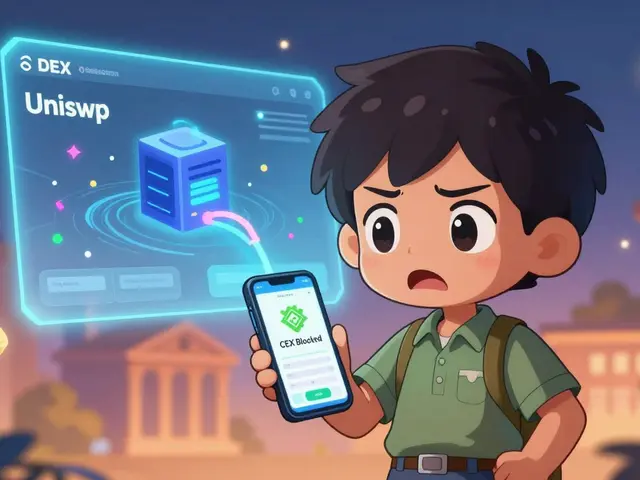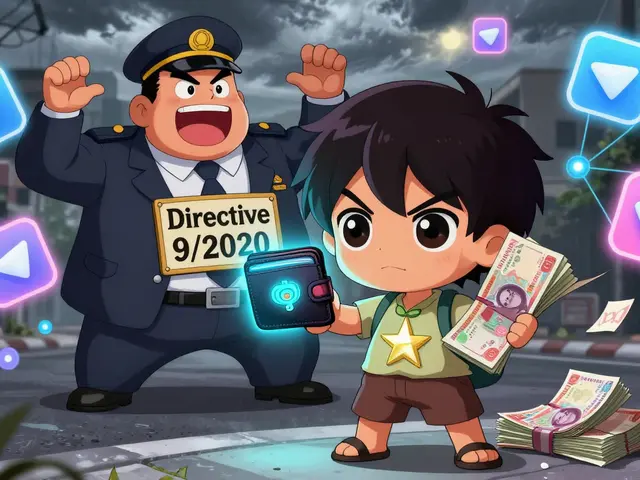
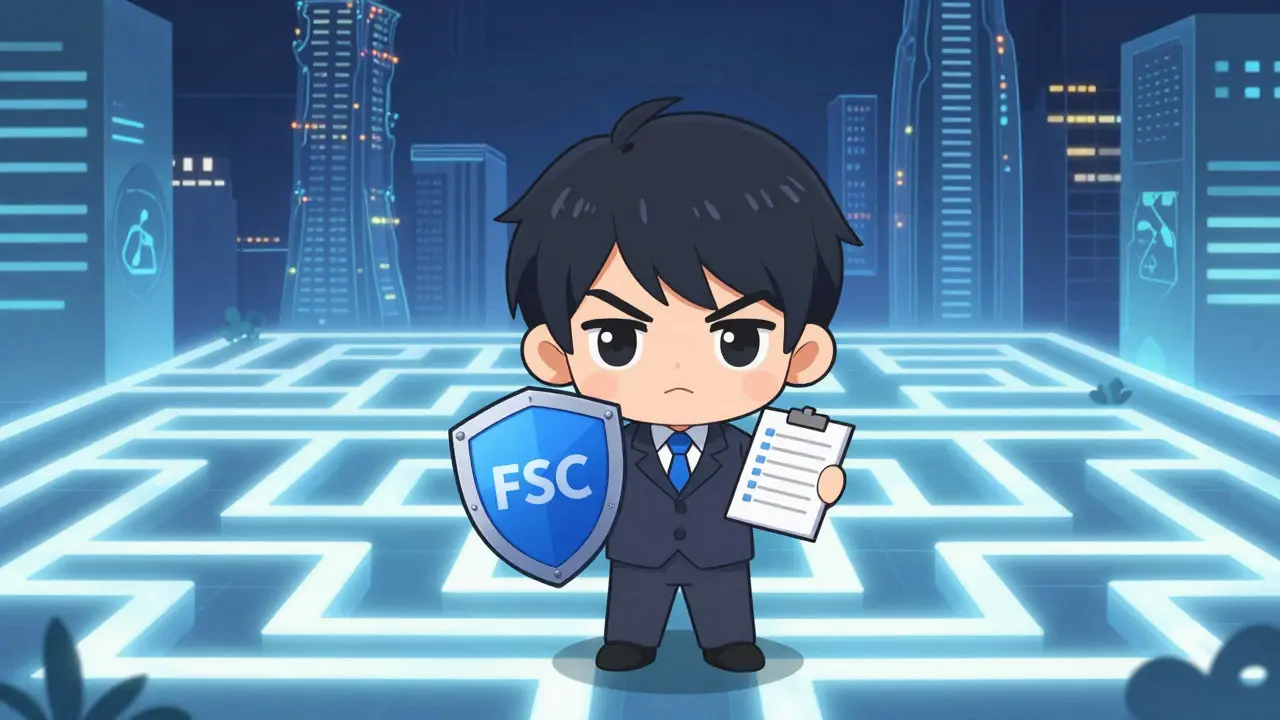
Running a cryptocurrency exchange in Taiwan isn't just about building a fast trading engine anymore. It’s about navigating a regulatory maze that the Financial Supervisory Commission (FSC) has been tightening since late 2023. If you are an exchange operator looking at the Taiwanese market, the days of operating in a gray area are over. The FSC treats crypto as a "virtual commodity," not legal tender, but that doesn't mean they let you run wild. In fact, the opposite is true.
As of mid-2026, the landscape is defined by strict Anti-Money Laundering (AML) rules, mandatory registration for Virtual Asset Service Providers (VASPs), and a cautious approach to security tokens. The FTX collapse in 2022 was a wake-up call for regulators worldwide, and Taiwan responded aggressively. By September 2023, the FSC rolled out comprehensive guidelines that essentially set the standard for how exchanges must operate. Now, with new laws passed in 2024 and further legislative drafts on the horizon, understanding these rules is the difference between getting a license and getting shut down.
The Core Requirement: Mandatory VASP Registration
The single most important thing for any exchange operating in or targeting users in Taiwan is registration. You cannot simply open a website and start taking deposits. Under the updated AML Act, all Virtual Asset Service Providers (VASPs) must complete mandatory registration with the FSC before commencing operations. This requirement was solidified through measures passed in July 2024, closing loopholes that foreign entities previously exploited.
This applies to both domestic companies and foreign exchanges serving Taiwanese residents. The FSC’s jurisdiction is broad. If you offer custody, exchange services, or transfer facilities for virtual assets to people in Taiwan, you fall under their watch. The registration process isn't a rubber stamp; it involves demonstrating robust internal controls, audit trails, and customer due diligence procedures. Non-compliance now carries severe penalties, including custodial sentences for executives involved in financial crimes via cryptocurrency.
The Eight Pillars of the 2023 Guidelines
In September 2023, the FSC introduced specific Guidelines for Virtual Asset Service Providers. While these guidelines initially lacked "hard law" status, industry practice and subsequent legislation have made them de facto mandatory. These guidelines cover eight critical operational areas that every exchange must implement:
- Issuer Responsibilities: Exchanges must ensure that any token listed has a mandatory "whitepaper" published on its website, detailing the project's fundamentals.
- VASP Review Mechanisms: You need a rigorous internal process for reviewing virtual assets before listing them. Due diligence is no longer optional.
- Asset Segregation: Customer assets must be kept separate from the exchange's own operational funds. This was a direct response to the commingling issues seen in failed exchanges like FTX.
- Fair Transaction Conduct: Trading mechanisms must be transparent and fair, preventing manipulation and ensuring price integrity.
- Management Systems: Comprehensive systems for operations and information security are required. This includes detailed protocols for both cold and hot wallet management.
- Public Disclosure: Regular reporting and transparency regarding fees, risks, and operational status are mandatory.
- Internal Control and Audit: Independent audits and strong internal controls must be in place to detect fraud and errors.
- Cross-Border Provisions: Specific rules apply to VASPs operating from outside Taiwan but serving local clients, ensuring they meet local standards.
These pillars form the backbone of your compliance framework. Ignoring even one can lead to regulatory scrutiny or loss of registration.
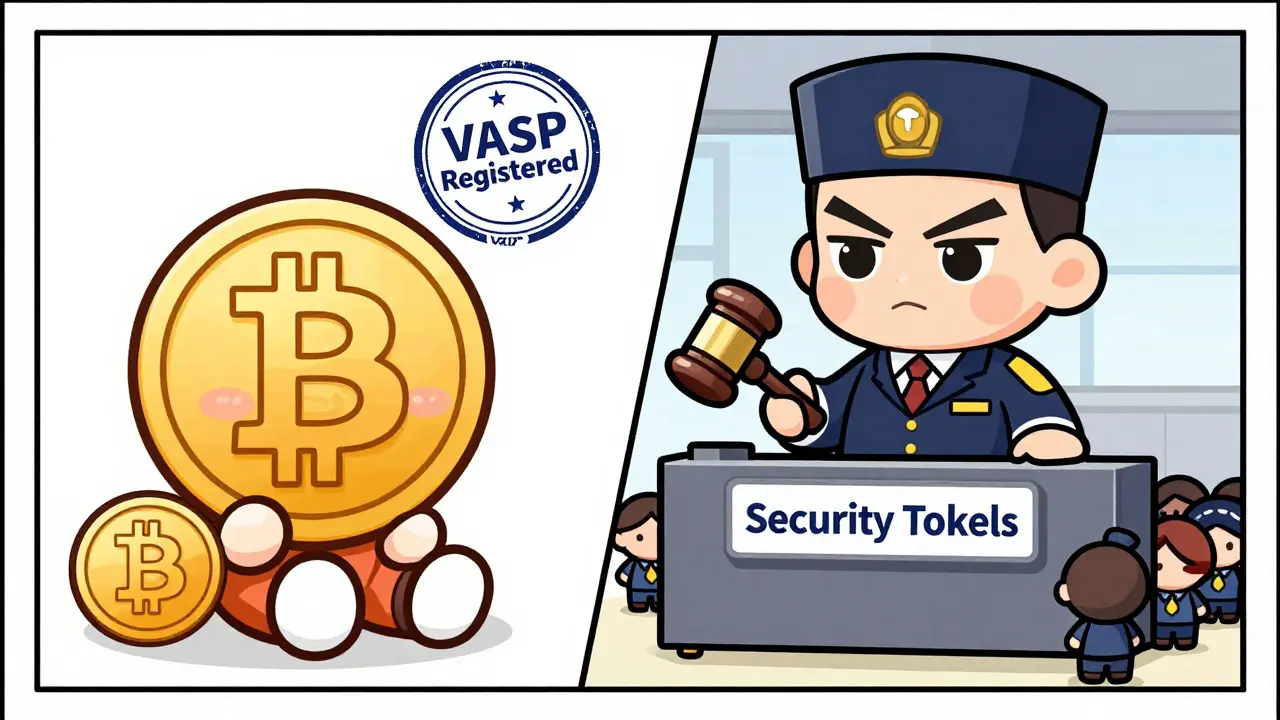
Security Tokens vs. Utility Tokens: The Distinction Matters
Not all crypto is treated equally in Taiwan. The FSC distinguishes between general virtual commodities and security tokens. If a digital asset qualifies as a security-meaning it represents an investment contract or ownership stake-it falls under the Securities and Exchange Act. This is a much stricter regime.
For Security Token Offerings (STOs), the rules are highly restrictive. Security tokens can only be traded by licensed securities dealers. The FSC authorized the Taipei Exchange (TPEx) to implement specific STO regulations. However, the barrier to entry is high. As of 2026, there is still only one officially approved security token issuance program in Taiwan. Most exchanges stick to utility tokens or major cryptocurrencies like Bitcoin and Ethereum to avoid the heavy burden of securities law compliance.
| Asset Type | Governing Law | Regulatory Body | Trading Restrictions |
|---|---|---|---|
| Utility Tokens / Major Cryptos | AML Act / VASP Guidelines | FSC | Registered VASPs only |
| Security Tokens (STOs) | Securities and Exchange Act | FSC & TPEx | Licensed securities dealers only |
| Foreign Crypto ETFs | Securities Business Association Rules | FSC | Professional investors only |
ETF Access and Institutional Integration
Taiwan is slowly opening the door to institutional participation. The FSC worked with the Securities Business Association of the Republic of China to establish five key points allowing professional investors to invest in foreign virtual asset exchange-traded funds (ETFs). This is a significant shift. It means that while retail access remains regulated through VASPs, institutions can gain exposure to crypto markets through traditional financial products.
This move signals the FSC's intent to integrate crypto into the broader financial system, but carefully. They want the benefits of liquidity and innovation without exposing retail investors to unchecked risk. For exchanges, this creates a potential partnership opportunity with traditional banks and brokerages that serve these professional investors.

Industry Self-Regulation and Cooperation
Interestingly, the industry hasn't fought these regulations tooth and nail. Instead, major exchanges formed the "Taiwan Virtual Asset Service Provider Association," a 24-member group created during legislative debates. This self-regulatory body helps bridge the gap between the FSC and operators. It provides a channel for industry feedback on practical implementation challenges.
If you are entering the market, joining or aligning with this association can be beneficial. It shows regulators you are committed to best practices and gives you insight into upcoming policy changes. The cooperative stance has helped position Taiwan as a "middle path" jurisdiction-not as restrictive as some Asian neighbors, but far more structured than unregulated havens.
Looking Ahead: The Virtual Asset Management Bill
The regulatory story isn't finished. The FSC is actively working on a comprehensive Virtual Asset Management Bill. Draft legislation targeting digital asset market trading was proposed in September 2024. A feasibility study report was expected late 2024, with a draft law anticipated around mid-2025.
While we are now in August 2026, the finalization of this bill will likely bring even more clarity-and potentially more requirements. Expect tighter rules on consumer protection, clearer definitions of liability, and possibly expanded access for retail investors if the market stabilizes. Staying updated on FSC announcements is crucial. The regulator watches global trends closely, such as the US SEC's approval of spot Bitcoin ETFs, and adjusts its strategy accordingly.
Do I need to register with the FSC if my exchange is based overseas?
Yes. If your exchange serves customers in Taiwan, you are subject to FSC jurisdiction. The 2024 amendments to the AML Act require all VASPs, including foreign entities, to register with the FSC to prevent money laundering and protect local consumers.
What happens if an exchange fails to segregate customer assets?
Failure to segregate assets is a major violation of the 2023 VASP Guidelines. It can lead to administrative penalties, loss of registration, and even criminal charges for executives if fraud or mismanagement is proven. The FSC takes asset safety very seriously after the FTX collapse.
Can retail investors trade Security Tokens (STOs) in Taiwan?
Generally, no. STOs are governed by the Securities and Exchange Act and can only be traded by licensed securities dealers. Market participation is currently limited due to high regulatory thresholds, with only one official STO program approved to date.
Is there a deadline for complying with the new 2024 AML registration rules?
The mandatory registration requirement was solidified in July 2024. Exchanges already operating should have completed registration by now. New entrants must register before commencing any business activities. Operating without registration exposes you to immediate legal action.
How does the FSC view cryptocurrency ETFs?
The FSC allows professional investors to access foreign virtual asset ETFs through specific guidelines established with the Securities Business Association. This is a controlled way to bring institutional capital into the crypto space without exposing retail investors to high volatility.