
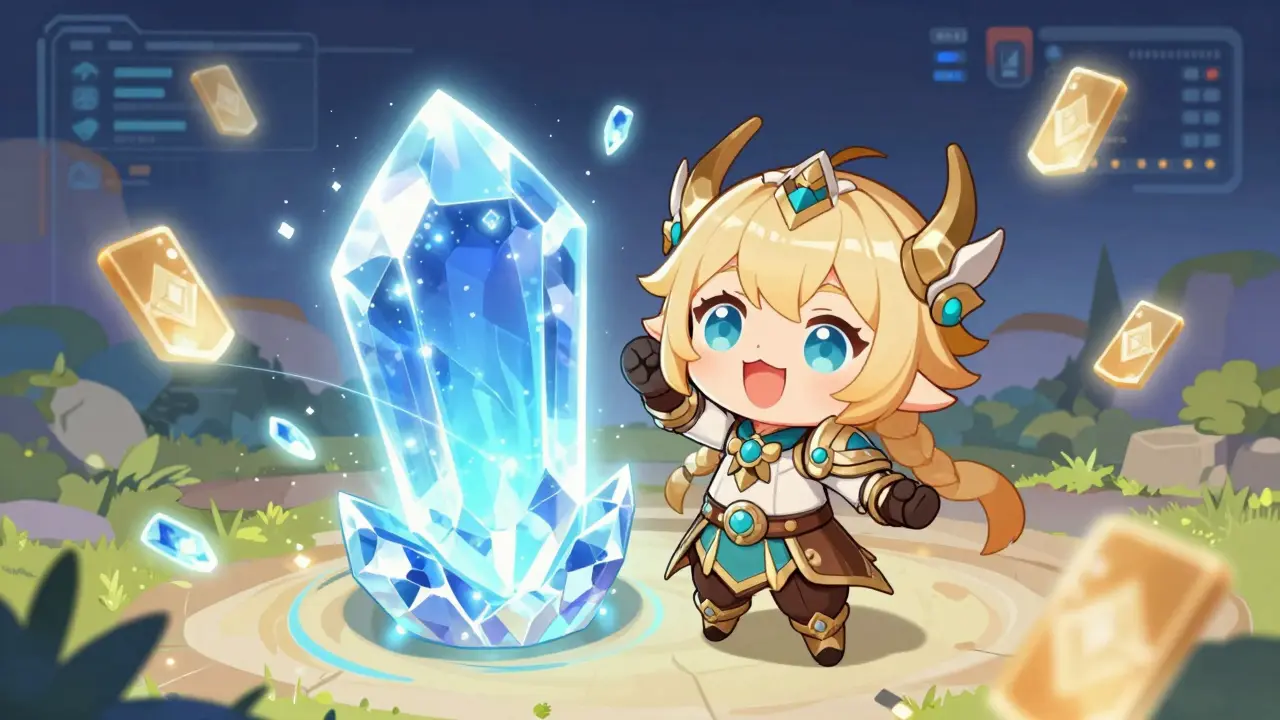
Ever wondered how a single promotional event can launch a gaming project into the spotlight? The RUNE.GAME is a blockchain-based massively multiplayer online (MMO) game that allows players to own digital assets and earn rewards through gameplay. One of its most talked-about moments was the strategic partnership with a global crypto giant to distribute assets to a wide audience. While the window for this specific event has closed, looking back at the RUNE.GAME airdrop provides a masterclass in how early GameFi projects built their communities.
The RUNE.GAME x CoinMarketCap Partnership
The collaboration between RUNE.GAME and CoinMarketCap wasn't just a random giveaway. It was a calculated move to merge the data-driven audience of the world's most visited crypto platform with the adventurous spirit of a new MMO. The campaign focused on distributing a total prize pool of $70,000, which is a substantial amount for a targeted promotional push in the gaming sector.
This event targeted 1,000 lucky winners, with each eligible participant fighting for a chance to snag up to 1 RUNE NFT. By tying the reward to an NFT rather than just a liquid token, the project ensured that winners would actually enter the game ecosystem to use their new assets, rather than just selling them immediately on an exchange. This is a classic strategy used in GameFi to drive long-term user retention.
How the Airdrop Worked: Requirements and Tasks
Getting a piece of the $70,000 pie wasn't as simple as clicking a button. The project used a multi-platform engagement model designed to create a "viral loop." Participants had to prove their commitment across several different channels. If you were around during the peak of the 2021 play-to-earn craze, you'll remember these types of checklists being the standard for almost every new project.
- Platform Tracking: Users had to add RUNE to their CoinMarketCap watchlist, ensuring the project gained visibility in the data platform's internal metrics.
- Social Amplification: Following the official @RuneMMO Twitter account and interacting with the announcement tweet. This included liking, retweeting, and tagging three friends.
- Hashtag Strategy: The use of tags like #BSC, #BSCgems, and #playtoearn was mandatory to push the project into the trending feeds of Binance Smart Chain enthusiasts.
- Community Integration: Joining the official Telegram and Discord servers to move the user from a passive observer to an active community member.
- Direct Communication: Subscribing to the project's newsletter to allow the team to reach users outside of volatile social media algorithms.
While visiting the official website at rune.game was optional, it served as the final step for those who wanted to see the actual game mechanics before committing their time.
Technical Foundation: Why Binance Smart Chain?
RUNE.GAME didn't launch on Ethereum, and for a good reason. The project utilized the Binance Smart Chain (also known as BSC), which is a blockchain network designed for high throughput and low transaction costs. For an MMO game where players are constantly trading items or upgrading heroes, high gas fees are a death sentence.
| Attribute | Binance Smart Chain (BSC) | Ethereum (Mainnet) |
|---|---|---|
| Transaction Fees | Very Low (Cents) | High (Dollars) |
| Speed | Fast Block Times | Slower / Congested |
| Accessibility | High for New Users | Higher Barrier to Entry |
| Ecosystem Focus | BscGems / Retail Users | Institutional / DeFi Heavy |
By choosing BSC, RUNE.GAME made it possible for a player to trade a low-value in-game item without spending more on the network fee than the item was actually worth. This decision allowed the project to target the "retail" gamer who might only have a few dollars to invest in their digital hero.
The Play-to-Earn Model and Asset Ownership
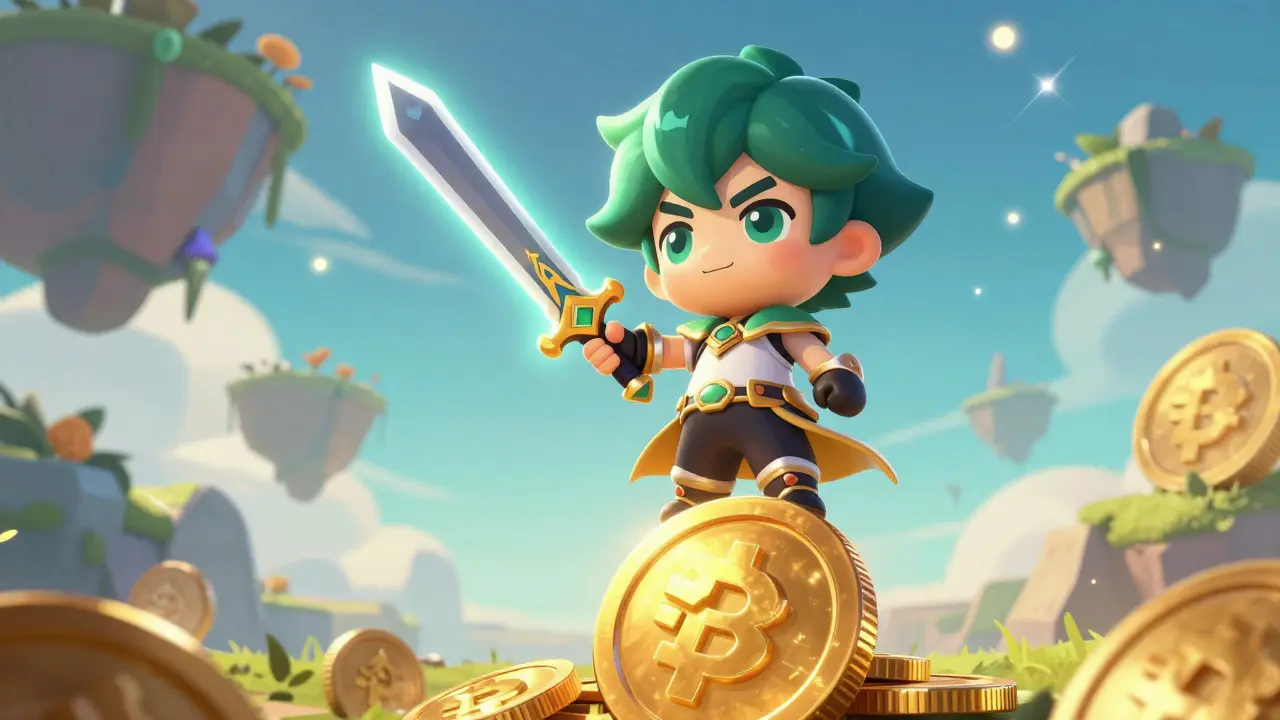
At its core, RUNE.GAME leaned heavily into the Play-to-Earn (P2E) philosophy. The goal was to shift the power dynamic from the game developer to the player. In traditional games, if the studio shuts down the servers, your items vanish. In RUNE.GAME, the heroes are NFTs, meaning the player has full ownership of the asset on the blockchain.
These blockchain heroes aren't just collectibles; they are functional units within the game. Owners can use them to complete quests, battle other players, and earn more cryptocurrency. This creates a circular economy where the value of the NFT is tied directly to its utility and the success of the game's economy. When the airdrop distributed these NFTs, it wasn't just giving away art-it was giving away "equity" in the game's utility system.
Lessons from the Campaign's Conclusion
The airdrop officially wrapped up on September 8th, 2021. If you try to find the entry page today, you'll likely see a message stating that you are too late and the airdrop is closed. This strict deadline is common in the crypto space to create a sense of urgency (FOMO) and to provide a clean cutoff for reward distribution.
Looking back, this campaign highlights the symbiotic relationship between data aggregators like CoinMarketCap and emerging projects. CoinMarketCap gets to provide value to its users through exclusive rewards, while RUNE.GAME gets a massive influx of potential players. However, the real test for any project isn't how many people join during an airdrop, but how many stay once the free money stops flowing. Many 2021-era projects struggled with this transition as the market shifted from pure speculation to a demand for sustainable gameplay.
Is the RUNE.GAME airdrop still active?
No, the RUNE.GAME x CoinMarketCap airdrop campaign concluded on September 8, 2021. It is currently closed, and no new participants can enter the draw.
What was the total prize pool for the RUNE.GAME event?
The total prize pool for the campaign was $70,000, which was distributed among 1,000 winners in the form of NFTs and in-game items.
Which blockchain did RUNE.GAME use for its airdrop?
RUNE.GAME utilized the Binance Smart Chain (BSC), which allowed for lower transaction fees and faster processing for its NFT assets.
What rewards could participants win?
Eligible winners had the opportunity to receive up to 1 RUNE NFT, along with various in-game item drops that provided utility within the MMO ecosystem.
What were the main requirements to enter the airdrop?
Participants had to follow RUNE.GAME on Twitter, join their Telegram and Discord, add the project to their CoinMarketCap watchlist, and subscribe to the official newsletter.
Samson Selleck
April 11, 2026 AT 07:04The utilization of a low-latency L1 like BSC was practically the only viable pivot for a retail-centric P2E model during that specific liquidity epoch. Most of these projects suffer from an inherent lack of sustainable tokenomics, merely masquerading as games while functioning as glorified Ponzi schemes with NFT wrappers. The systemic failure of the 2021 GameFi bubble was predicated on the delusion that speculative utility could replace actual gameplay loops. If the intrinsic value proposition doesn't transcend the airdrop incentive, you're just looking at a decaying asset class with zero terminal value. The methodology of using a 'viral loop' is basic growth hacking and barely qualifies as a strategic community build in the current market paradigm. It's quaint to think that a $70k prize pool creates long-term retention when the actual product is often a derivative of existing MMO mechanics without a proprietary edge. The delta between perceived value and actual utility in these BSC gems is usually cavernous. Most users are just exit liquidity for the early seed investors who dump as soon as the hype cycle peaks. The architectural choice of BSC was a necessity, not a luxury, because Ethereum's gas fees would have annihilated any hope of micro-transactions for the average user. Truly, the cognitive dissonance required to believe in these early P2E models is staggering. We are essentially witnessing the industrialization of digital gambling under the guise of 'asset ownership'. The structural fragility of such ecosystems is an open secret among those who actually understand quantitative analysis. In the end, the airdrop is just a marketing expense to inflate the initial user count before the inevitable slow bleed of the token price. It's a textbook example of manufactured demand.
Tracie and Matthew Hartley
April 12, 2026 AT 22:11lol imagine actually thinking these airdrops did anything other than make people spam twitter for two weeks. total waste of time if u didn't actually get a nft
Artavius Edmond
April 13, 2026 AT 11:34It's actually pretty cool how they used NFTs to make sure people actually played the game instead of just dumping the coins immediately. Smart move!
Kelly Cantrell
April 15, 2026 AT 03:16Funny how these 'partnerships' always happen right before the developers vanish into the void. It's all just a front for bigger players to manipulate the retail crowd while the real money moves in the shadows. They want us chasing 1 RUNE NFT while they control the entire supply. Typical corporate blockchain theater.
Will Dixon
April 15, 2026 AT 18:13i remember this one! i missed out cuz i didnt see the tweet in time lol
Alan Seiden
April 17, 2026 AT 03:47The sheer incompetence of these 'blockchain' games is staggering. Why anyone would trust a project on a network owned by a private entity is beyond me. It is an absolute disgrace that we call this innovation.
Rima Dinar
April 18, 2026 AT 08:51I truly believe that we can learn so much from the way these early projects attempted to foster a sense of community and belonging among players who were just looking for a way to improve their financial situation, and while the airdrop has ended, the spirit of collaboration and the desire to build something together in a virtual space is what really matters in the long run for all of us who love gaming.
7stargee Emmanuel Obani
April 19, 2026 AT 19:54scam city 🤡 just another way to get people to follow their socials and then they dump the token 📉
jennelle williams
April 20, 2026 AT 00:19it's okay to feel sad you missed it. there's always more chances
Hope Johnson
April 21, 2026 AT 00:38The concept of shifting power from the developer to the player is a beautiful philosophical shift that challenges our very understanding of digital labor and property rights, and if we look deeper, we see that these airdrops are not just financial events but social experiments in trust and decentralized ownership that will echo through the coming decades of the internet.
Amanda Faust
April 21, 2026 AT 01:45everyone knows bsc was just for the cheap fees and not for actual security
Jason Davis
April 22, 2026 AT 13:47i used to help a few friends get in on these. the tsk list was a bit annoying but it worked for the most part lol
Omotola Balogun
April 24, 2026 AT 04:06The airdrop strategy is basic. Most people dont realize that the newsletter subscription is the most valuable part for the devs because they own the data.
EDOZIEM MICHAEL
April 25, 2026 AT 20:09we are all just travelers in the digital wind man
Chidinma Sandra okafor
April 27, 2026 AT 09:34Oh sure, because getting a little NFT is totally going to change the world. I'm so impressed by the 'strategic' move of giving away free stuff to get bots to follow a Twitter account. Pure genius.
Rob Mitchell
April 28, 2026 AT 08:20BSC was definitely the right call for an MMO.
Kieran Smith
April 28, 2026 AT 12:41i wish i found this back then! do you know if they have any new events runnin now?
Surender Kumar
April 29, 2026 AT 08:11nice breakdown of the old days haha
Agnessa Dale
May 1, 2026 AT 05:16So inspiring to see how these projects start!
Jessie Tayaban
May 1, 2026 AT 07:11OMG i totaly forgot about this!! i think i actually joined the discord back then but i lost my password lol so sad!
Akshay Gorad
May 1, 2026 AT 16:08It is interesting to see the contrast between the two chains in the table provided.
logan bates
May 2, 2026 AT 07:55America should be leading these chain developments, not letting everything be run through random global platforms.
aletheia wittman
May 3, 2026 AT 14:26WHY IS IT ALWAYS CLOSED WHEN I FIND IT!! i literally can't catch a break in this life istg 😭
Samson Selleck
May 4, 2026 AT 23:41The lamentation of a missed airdrop is the quintessential retail experience; a tragicomedy of late arrival and missed alpha.