BTRL Crypto Exchange Review: Fees, Security & Verdict
Reviewing BTRL crypto exchange involves checking security, fees, and liquidity. Learn how to evaluate its safety, fee structure, and regulatory status before trading.
Aug 19 2026
When talking about crypto trading fees, the costs you pay each time you buy, sell, or move a digital asset on a platform. Also known as transaction costs, it determines how much of your profit stays in your pocket after every order. Understanding these fees is the first step to smarter trading because they can eat into returns faster than market moves.
One of the biggest pieces of the puzzle is exchange fees, the charges levied by a platform for matching your order. These fees usually split into a maker‑taker model, where makers add liquidity and pay lower rates while takers remove liquidity and pay higher rates. Knowing whether you’re acting as a maker or taker lets you choose the cheaper side of the spread. Most exchanges publish fee tables, but the real cost also depends on your trade size, volume discounts, and whether you hold the native token for fee rebates.
Another frequent charge is the withdrawal fee, the amount taken when you move crypto out of an exchange to a personal wallet. Withdrawal fees are often fixed in the native coin (like BTC or ETH) and can vary wildly between platforms. Some services offset these costs with promotional free withdrawals, while others bundle them into the crypto’s network fee, which can spike during congestion. Watching withdrawal fees helps you decide if it’s cheaper to trade on‑chain or keep assets on the exchange for a while.
When you trade on a decentralized exchange (DEX), the fee structure shifts toward gas fees, the cost of executing a smart‑contract transaction on a blockchain. Gas fees are part of the DEX fees, which combine protocol fees (usually a percent of the trade) with the network gas you pay to miners or validators. On high‑traffic networks like Ethereum, gas can dwarf the protocol fee, so many traders move to layer‑2 solutions or cheaper chains to keep overall costs down.
All these pieces—exchange fees, maker‑taker spreads, withdrawal charges, and DEX gas—crypto trading fees together. They influence whether a trade is profitable, how often you can move between markets, and which platforms make sense for your strategy. Below, you’ll find a curated mix of guides, reviews, and deep dives that unpack each cost component, compare real‑world platforms, and give actionable tips to slash unnecessary spend. Use the insights to fine‑tune your own fee‑management plan and keep more of your earnings where they belong: in your wallet.

Reviewing BTRL crypto exchange involves checking security, fees, and liquidity. Learn how to evaluate its safety, fee structure, and regulatory status before trading.
Aug 19 2026
Explore the top bullish crypto exchanges in 2026. We review CEX.IO, Binance, Kraken, and Coinbase, comparing fees, security, and AI features to help you choose the right platform.
Aug 15 2026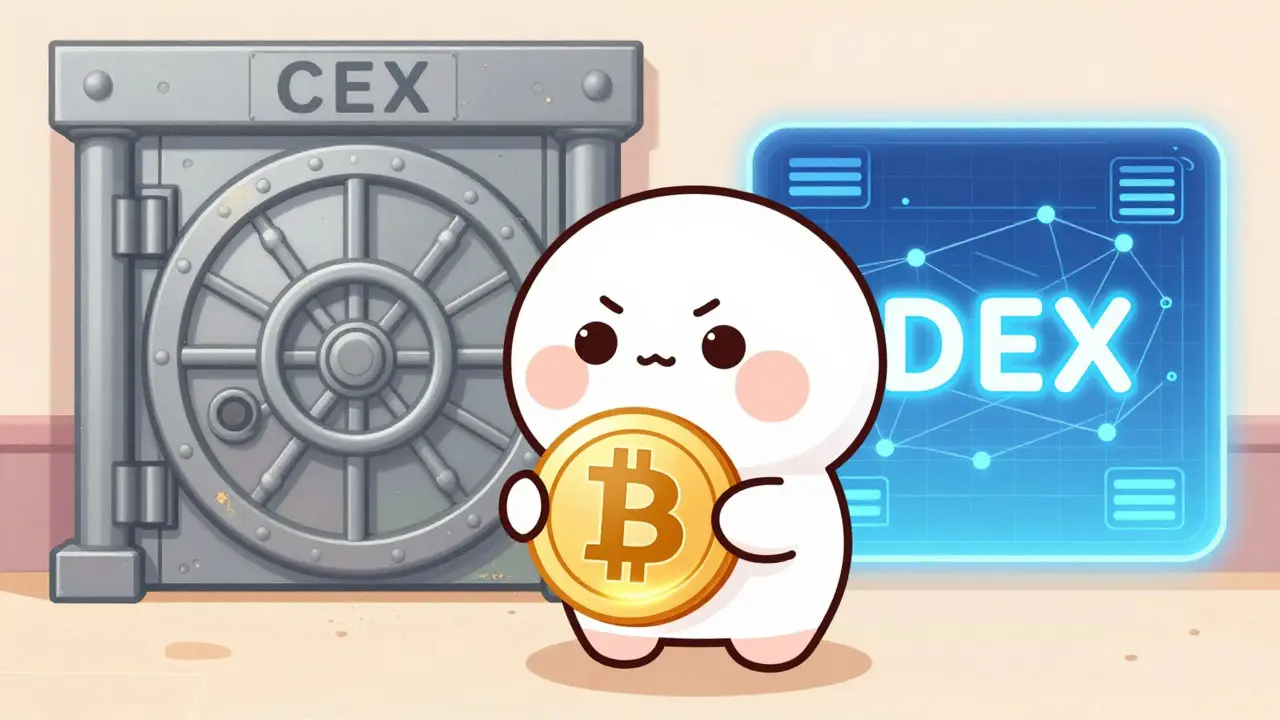
Explore our 2026 review of Metal X crypto exchange. We analyze its shift from centralized to decentralized trading, fees, security, and how it compares to competitors like Uniswap.
Aug 12 2026
A detailed review of KyberSwap Elastic on Arbitrum. We analyze its concentrated liquidity model, security history, fees, and compare it to Uniswap V3 to help you decide if it's right for your DeFi strategy.
May 23 2026
In this 2025 Raydium review we break down fees, speed, token support, security, and compare it with Uniswap, SushiSwap and PancakeSwap, helping you decide if the Solana DEX fits your trading needs.
Jun 8 2025