Have you ever checked a crypto exchange website only to find it looks completely different from what the reviews said? That is exactly what happens with Metal X, which is a cryptocurrency trading platform that has shifted from a centralized exchange to a decentralized model within the Metal Pay ecosystem. If you are looking for a straightforward place to buy Bitcoin or trade Ethereum in 2026, the history of this platform might make you pause. It’s not just about current features; it’s about understanding whether your funds are safe on a platform that has undergone a massive structural overhaul.
The short answer is that Metal X is no longer the traditional exchange many users remember from 2020-2021. It has pivoted toward a decentralized finance (DeFi) structure, integrated deeply with its parent company, Metallicus. This means fewer barriers to entry but also a different set of risks and responsibilities for you as a trader. Let’s break down what this actually means for your wallet, your fees, and your trading experience today.
From Centralized Hub to Decentralized Network
To understand where Metal X stands now, we have to look at where it started. Launched in April 2020, Metal X began as the trading arm of Metal Pay, which is a blockchain-based payment processing application designed for seamless fiat-to-crypto conversions. At that time, it operated like any other centralized exchange (CEX). You created an account, verified your identity through Know Your Customer (KYC) checks, deposited funds, and traded against an order book. It held licenses, including a Money Services Business (MSB) license from FinCEN, which gave it a layer of regulatory credibility that many pure DeFi platforms lack.
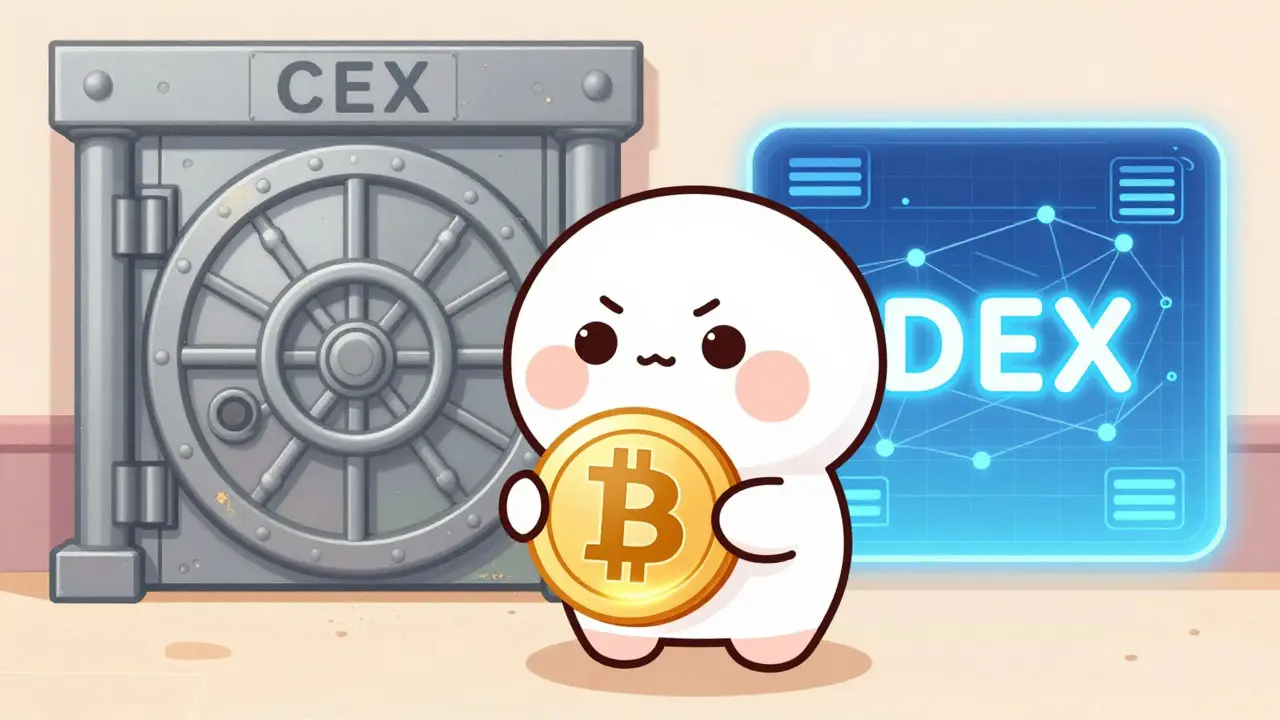
However, the landscape changed. In March 2021, Metal X announced the closure of its centralized exchange operations. The company stated they wanted to refocus efforts on building their core platform. For many users, this was confusing. Where did their assets go? Was the platform dead? The reality is that the brand didn’t disappear; it evolved. Today, Metal X operates as a decentralized exchange (DEX). Instead of holding your funds in a central vault, transactions are executed via smart contracts on the blockchain. This shift aligns it more closely with platforms like Uniswap or SushiSwap, rather than giants like Binance or Coinbase.
This transition matters because it changes your relationship with the platform. On a CEX, if you forget your password, customer support helps you. On a DEX, if you lose your private key, your money is gone forever. Metal X tries to bridge this gap by integrating with the Metal Pay app, offering a user interface that feels familiar while running on decentralized rails. But does it succeed?
Fees and Trading Costs: What Will You Actually Pay?
Let’s talk money. Fees can eat into your profits faster than market volatility. During its centralized phase, Metal X had a maker-taker fee structure. Makers (those who add liquidity to the order book) paid around 0.05%, while takers (those who remove liquidity) paid 0.1%. Some sources reported higher rates, up to 0.25% for takers, which was above the industry average at the time. They also offered tiered discounts based on your 30-day trading volume.
In its current decentralized iteration, the fee model is different and potentially more attractive for specific traders. Metal X currently advertises 0% fees on Bitcoin trades. This is a significant draw for BTC holders who want to swap without paying network gas fees directly. Additionally, liquidity providers can earn 0.2% on every trade that utilizes their capital. However, keep in mind that "0% fees" often comes with hidden costs. Are there slippage issues? Is the spread wide? While withdrawal fees were once set at 0.0004 BTC (below the industry average of 0.0006 BTC), current withdrawal mechanics depend on the underlying blockchain network you are using.
| Feature | Metal X (Current DEX) | Traditional CEX (e.g., Coinbase) | Pure DEX (e.g., Uniswap) |
|---|---|---|---|
| Custody | Non-custodial (User holds keys) | Custodial (Exchange holds keys) | Non-custodial (User holds keys) |
| KYC Required | No (via WebAuth) | Yes (Strict verification) | No |
| Trading Fees | 0% on BTC, variable on others | 0.1% - 0.6% | 0.3% standard |
| Order Types | Limit, Market, Stop Loss | All types available | Limited (mostly swaps) |
| Regulatory Status | Historical MSB license | Fully regulated | Unregulated |

User Experience and Interface Design
One of the biggest hurdles for new crypto users is the complexity of decentralized applications. Wallet connections, seed phrases, and gas limits can be intimidating. Metal X aims to solve this by leveraging its integration with Metal Pay. The interface is designed to be clean and professional, similar to what you would expect from a desktop trading terminal. It supports advanced order types like Limit, Stop Loss, and Take Profit orders, which are rare in pure DEX environments. Most DEXs only allow simple swaps. Having access to an order book and TradingView chart integration gives Metal X a competitive edge for serious traders who want precision without leaving the decentralized environment.
The platform supports over 20 cryptocurrencies, including major assets like Bitcoin (BTC), Ethereum (ETH), Tether (USDT), XRP, USDC, and Dogecoin (DOGE). It also operates across multiple blockchain networks with support for 10+ network bridges. This cross-chain functionality allows you to move assets between chains without paying separate gas fees for each hop, simplifying the process significantly. However, the learning curve remains steeper than a centralized exchange. You need to manage your own wallet security, which introduces risk if you are not careful.
Security and Regulatory Considerations
Security is paramount when dealing with digital assets. During its centralized days, Metal X relied on two-factor authentication (2FA) and encryption, backed by its FinCEN authorization. This provided a sense of safety for users who trusted institutional oversight. Now that it is decentralized, the security model shifts to smart contract integrity. Your funds are safe as long as the code governing the exchange is secure. There is no central server to hack in the traditional sense, but smart contract vulnerabilities can still lead to exploits.
Metallicus, the parent company, has emphasized security upgrades in its 2025 roadmap. This includes WebAuth 3.0, which brings Passkey support and enhanced user interface improvements. Passkeys are a modern, secure way to authenticate without passwords, reducing the risk of phishing attacks. The platform also features address book functionality and easy network switching, making it easier to verify transactions before signing them. Despite these advancements, the historical closure of the centralized exchange in 2021 still lingers in the minds of veteran traders. Trust is hard to rebuild, and transparency about smart contract audits will be crucial for widespread adoption.

The 2025-2026 Roadmap: What’s Next?
If you are considering using Metal X, you should know where the project is heading. According to Maura, VP of Engineering at Metallicus, the company has a "jam-packed roadmap for 2025." A major focus is taking Metal X multichain by deploying the multi-feature decentralized trading platform on Metal L2, which is Metallicus's proprietary Layer 2 blockchain solution designed for high-speed, low-cost transactions. Moving to a dedicated Layer 2 network could drastically reduce transaction times and costs, making the platform more competitive with established DEXs.
The roadmap also includes support for new blockchain networks in WebAuth, ensuring compatibility as the crypto ecosystem expands. These developments suggest that Metal X is not stagnant. It is actively evolving to meet the demands of a maturing market. However, execution is key. Many projects promise big upgrades but fail to deliver. Watch for actual deployment dates and audit reports before committing significant capital.
Is Metal X Right for You?
Metal X occupies a unique niche. It offers the advanced trading tools of a centralized exchange with the self-custody benefits of a decentralized one. If you are a tech-savvy trader who wants to avoid KYC requirements and prefers controlling your own keys, Metal X could be a compelling option. The 0% fees on Bitcoin trades are particularly attractive. However, if you are a beginner who needs hand-holding, customer support, and instant fiat deposits via bank transfer, you might find the decentralized model frustrating. The limited coin listing process compared to major exchanges like Binance is also a drawback for those seeking exposure to obscure altcoins.
Ultimately, the decision depends on your risk tolerance and technical comfort level. Metal X provides a sophisticated toolset for experienced users, but it requires you to take responsibility for your security. Always start with small amounts to test the waters, ensure your wallet is secure, and stay updated on the latest developments from Metallicus.
Is Metal X still operational in 2026?
Yes, Metal X is operational, but it has transformed from a centralized exchange into a decentralized exchange (DEX). It is part of the Metal Pay ecosystem and focuses on non-custodial trading with advanced order types.
Does Metal X require KYC verification?
No, the current decentralized version of Metal X does not require traditional Know Your Customer (KYC) verification. Users interact via wallets and WebAuth, maintaining privacy and self-custody.
What are the trading fees on Metal X?
Metal X currently advertises 0% fees on Bitcoin trades. For other assets, fees may vary, and liquidity providers can earn 0.2% on trades. This is generally lower than traditional centralized exchanges.
How is Metal X different from Uniswap?
Unlike Uniswap, which primarily uses automated market makers (AMMs) for simple swaps, Metal X offers an order book model with limit orders, stop losses, and take profit features. It also integrates with the Metal Pay ecosystem for better fiat on-ramps.
Is my money safe on Metal X?
Since Metal X is decentralized, you hold your own funds in your wallet, not on the exchange. This reduces the risk of exchange hacks but places the responsibility of security on you. Ensure you use strong wallet security and verify smart contract interactions.
Can I trade altcoins on Metal X?
Yes, Metal X supports over 20 cryptocurrencies, including ETH, XRP, USDT, USDC, and DOGE. However, the selection is smaller than major centralized exchanges, so check availability before trading.