Think your account is safe because you turned on two-factor authentication? Think again. In 2026, criminals don't just guess passwords anymore. They have automated tools that trick your phone into approving logins or steal the digital tickets that prove you are who you say you are. For anyone holding crypto assets or managing sensitive blockchain data, this isn't a theoretical risk. It is a daily reality.
The old advice of 'just use 2FA' is no longer enough. Attackers have evolved from simple phishing emails to sophisticated Adversary-in-the-Middle (AiTM) attacks that sit between you and the login page. If you do not understand how these bypasses work, you cannot protect yourself against them. This guide breaks down exactly how hackers beat your second factor and what you can do to lock them out for good.
How Hackers Beat Your Second Factor
Most people believe that if they enter their password and then type in the code from their authenticator app, they are secure. The problem is that modern attacks often capture both pieces of information at the same time. Let's look at the most common ways this happens.
Adversary-in-the-Middle (AiTM) Phishing
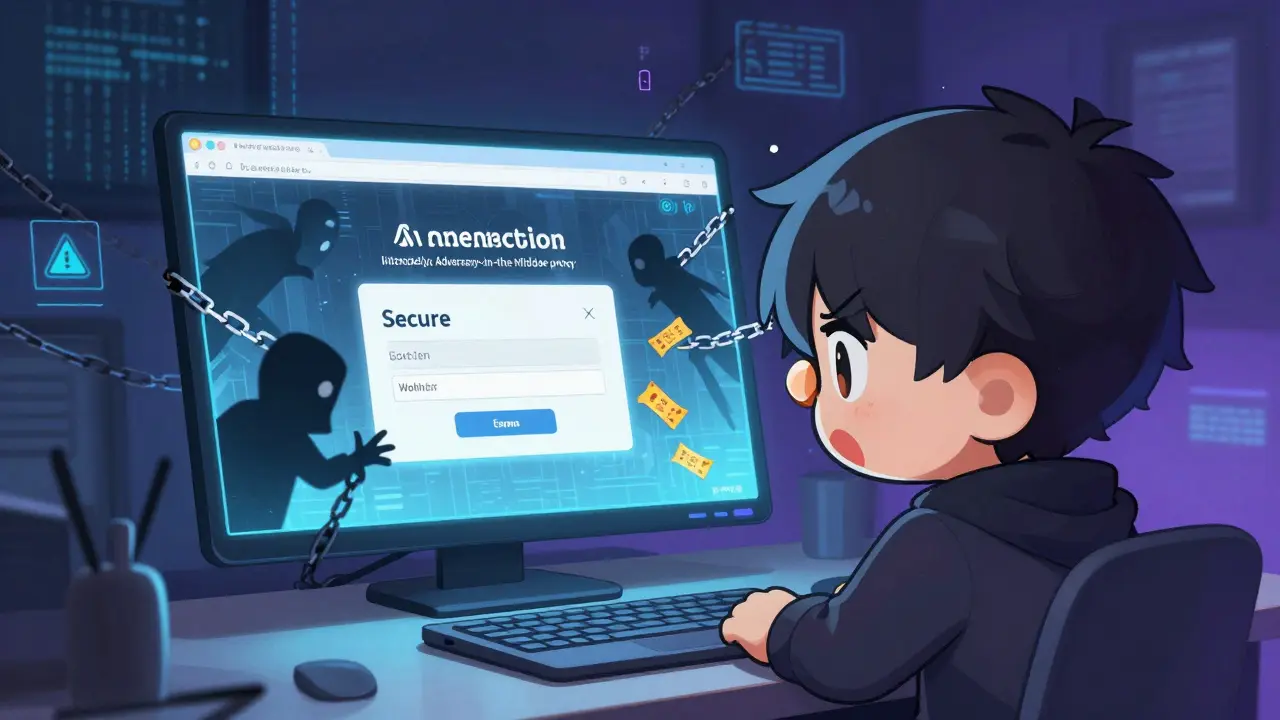
This is currently the biggest threat to online accounts. Traditional phishing sends you to a fake website that looks like your bank or exchange. AiTM is different. When you click the malicious link, you are actually connecting to a reverse proxy server controlled by the attacker. This server forwards your traffic to the real website. You see the genuine login page. You enter your credentials. You approve the push notification. Everything feels normal.
But here is the catch. As your data passes through the attacker's proxy, they intercept not only your password but also the session cookie. A session cookie is a small piece of data that tells the website, 'This user has already logged in.' Once the attacker has this cookie, they can clone your session. They can log in as you without needing your password or 2FA code again. Tools like NecroBrowser automate this entire process, making it easy for even novice criminals to execute complex hacks.
MFA Fatigue and Prompt Bombing
Sometimes, the attack doesn't require stealing cookies. It relies on wearing you down. This is known as MFA fatigue or prompt bombing. Imagine you are sleeping or in a meeting. Suddenly, your phone starts buzzing. Then vibrating. Then ringing. Every few seconds, a new push notification asks: 'Is this you trying to sign in?'
At first, you deny it. But after an hour of constant harassment, you get frustrated. You assume it is a glitch. Finally, you hit 'Approve' just to make the noise stop. That single approval gives the attacker access. This technique exploits human psychology rather than technical flaws. It works because we value peace and quiet over security protocols when we are overwhelmed.
Password Reset Exploits
Believe it or not, one of the easiest ways to bypass 2FA is to skip it entirely during a password reset. Many platforms allow users to reset their password via email or SMS without verifying the existing 2FA method. If an attacker compromises your email inbox, they can trigger a password reset for your crypto exchange or blockchain wallet provider. They set a new password, and suddenly, the old 2FA binding is broken or irrelevant. Always ensure your recovery methods are protected with separate, strong authentication.
The Blockchain Connection: Why Crypto Users Are Targets
You might wonder why this matters specifically for blockchain knowledge. While the Bitcoin network itself is immutable and secure, the gateways to it are not. Centralized exchanges, custodial wallets, and Web3 interfaces are traditional web applications. They are vulnerable to the same AiTM and session hijacking attacks described above.
If an attacker bypasses the 2FA on your exchange account, they can withdraw your funds to a cold wallet they control. There is no chargeback option in blockchain transactions. Once the coins move, they are gone. Furthermore, many Web3 users rely on browser extensions like MetaMask. If an attacker uses a Man-in-the-Browser Trojan, they can inject malicious code into your browser that alters transaction details before you sign them. You might think you are sending $10 to a friend, but the altered transaction sends $10,000 to the hacker. Understanding these vectors is crucial for protecting digital assets.

Prevention Strategies That Actually Work
Knowing the threats is half the battle. Now, let's talk about defense. Standard SMS-based 2FA is weak. It is susceptible to SIM swapping and interception. Here is how to build a robust defense stack.
Use FIDO2 Hardware Security Keys
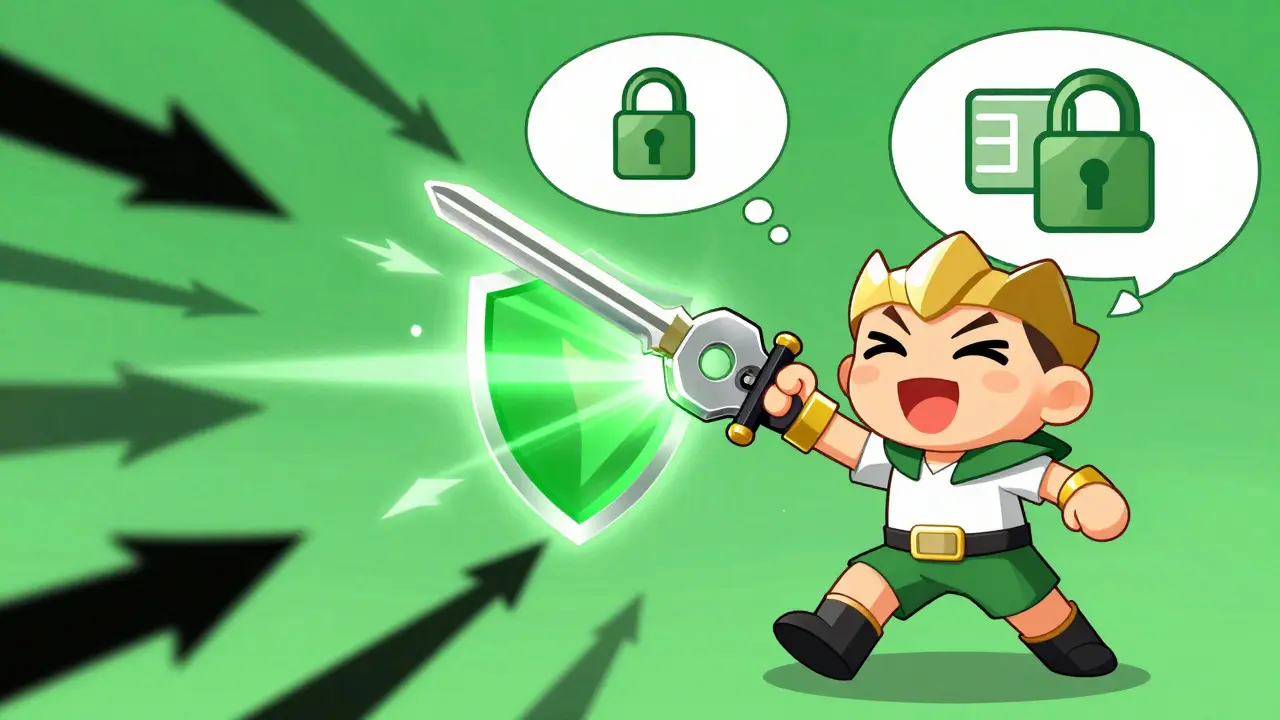
The gold standard for preventing AiTM attacks is using a physical FIDO2 hardware key, such as a YubiKey or SoloKey. Unlike a software token or SMS code, a hardware key performs cryptographic verification directly in the device. It binds the authentication to the specific domain name of the website. If you are tricked into visiting a phishing site, the hardware key will refuse to authenticate because the URL does not match. This makes AiTM attacks ineffective against hardware-backed 2FA.
Enable Device Binding
Device binding ensures that authentication tokens are only valid on devices you have previously registered. If an attacker steals your session cookie, they cannot use it on their own machine because the system checks the device fingerprint. Look for services that offer 'trusted device' management. Regularly audit your list of trusted devices and remove any that you do not recognize.
Adopt Zero-Trust Architecture Principles
For organizations and advanced users, implementing Zero-Trust architecture is essential. Zero-Trust assumes that no user or device is trustworthy by default, even if they are inside the network perimeter. It requires continuous validation of identity. This means monitoring for unusual behavior, such as logins from new geographic locations or at odd hours, and triggering additional verification steps dynamically.
| Method | Vulnerability to AiTM | Vulnerability to Phishing | Convenience |
|---|---|---|---|
| SMS Codes | High | High | High |
| TOTP Apps (Google Authenticator) | Medium | Medium | Medium |
| Push Notifications | High (Fatigue) | High | High |
| FIDO2 Hardware Keys | Low | Low | Low |
What To Do If You Suspect a Breach
If you notice unauthorized activity, act immediately. First, change your password from a clean, uncompromised device. Second, revoke all active sessions. Most platforms have a 'Log out of all devices' option. This invalidates any stolen session cookies the attacker might be holding. Third, check your email forwarding rules. Attackers often set up silent forwarding rules to keep copies of your password reset emails. Remove any suspicious filters. Finally, enable hardware-based 2FA if possible, and monitor your accounts closely for the next 30 days.
Future-Proofing Your Identity
The landscape of identity management is shifting. Passwordless authentication using passkeys is becoming more common. Passkeys use public-key cryptography, similar to blockchain signatures, to verify identity without sharing secrets. This reduces the attack surface significantly. As you engage with blockchain technologies, prioritize platforms that support passkeys or hardware security keys. Avoid relying solely on SMS or basic app-generated codes. Your digital identity is your most valuable asset. Protect it with the strongest tools available.
Can 2FA be hacked?
Yes, 2FA can be bypassed. Techniques like Adversary-in-the-Middle (AiTM) phishing, MFA fatigue, and session hijacking allow attackers to circumvent standard 2FA methods. However, using FIDO2 hardware keys significantly reduces this risk by binding authentication to the specific website domain.
What is an Adversary-in-the-Middle attack?
An AiTM attack involves a reverse proxy server that sits between the victim and the legitimate website. The attacker captures credentials and session cookies in real-time while the victim interacts with what appears to be the genuine site. This allows the attacker to clone the victim's session and gain unauthorized access.
How does MFA fatigue work?
MFA fatigue, or prompt bombing, overwhelms a user with repeated authentication requests. The goal is to annoy or exhaust the user until they approve a fraudulent request just to stop the notifications. This grants the attacker access without needing to steal credentials technically.
Are hardware keys better than authenticator apps?
Yes, hardware keys like YubiKeys are more secure. They are resistant to phishing and AiTM attacks because they verify the website's domain cryptographically. Authenticator apps generate codes that can be intercepted or phished if the user is tricked into entering them on a malicious site.
Why is 2FA important for blockchain accounts?
Blockchain transactions are irreversible. If an attacker bypasses the 2FA on your exchange or custodial wallet account, they can transfer your assets to their own address instantly. Strong 2FA is the primary barrier preventing unauthorized withdrawals from centralized crypto platforms.
What should I do if my 2FA is bypassed?
Immediately change your password from a clean device, revoke all active sessions, and check for unauthorized email forwarding rules. Enable stronger authentication methods like hardware keys and monitor your accounts for suspicious activity.