
You probably remember when a memecoin was just a joke. A picture of a dog, a few tweets from an influencer, and suddenly millions of dollars flowed into a token with zero functionality. But that era is dead. In 2026, the survivors aren't just laughing all the way to the bank; they are building actual businesses on top of their memes. If you are still treating these assets like lottery tickets, you are missing the shift. The market has matured, and the projects that stuck around are the ones that figured out how to turn internet culture into sustainable economic engines.
The Evolution from Joke to Infrastructure
Think about Bonk (BONK). It started as an airdrop to revive the Solana ecosystem after the FTX collapse. Today, it’s not just a meme; it’s a primary liquidity layer. With a market cap hovering around $2.7 billion, BONK proves that community-driven tokens can anchor a major blockchain. Why? Because it leveraged Solana’s speed and low costs to become a medium of exchange, not just a store of speculative value. This isn't accidental. Successful projects now integrate deeply with the underlying infrastructure of high-performance chains like Solana or Ethereum, using them for real transactions rather than just holding digital receipts.
Contrast this with the graveyard of failed coins. Take Cheems. It had hype, it had recognition, but it lacked a strategic framework. When the viral moment passed, there was no utility to catch the price. The difference between a pump-and-dump and a long-term asset is often found in the tokenomics. Are there mechanisms to reduce supply? Is there a reason to hold other than hope? If the answer is no, you’re gambling, not investing.
Utility That Actually Works
Let’s look at Book of Meme (BOME). This project didn’t just launch a token; it built a platform. BOME allows users to create, share, and monetize memes directly within its ecosystem. But the real genius lies in its integration with existing NFTs. By allowing holders of Bored Ape Yacht Club (BAYC) NFTs to stake their apes and generate $BOME tokens, the project created a bridge between two massive communities. This dual functionality turns static NFT assets into productive capital. You aren't just looking at your ape picture; you're earning yield on it. This is what separates serious projects from the noise.
Similarly, Chill Memez ($CHIMZ) offers tools for users to create their own tokens and games through a decentralized platform. During its presale, it offered 150% APY for staking, which did more than just attract investors-it locked up supply. High staking rewards during early phases reduce selling pressure when the token hits public exchanges. It creates a floor. Without this kind of structural incentive, new listings often crash as early buyers cash out immediately.
Strategic Partnerships Over Viral Tweets
Viral marketing gets you attention; partnerships get you staying power. Look at SLAP token. Its price jumped 1,800% on day one, moving its market cap from $1 million to nearly $20 million. Was this just luck? No. It was driven by a strategic partnership with Best Wallet, a popular crypto wallet and exchange. This relationship provided immediate utility and visibility. SLAP also dedicated 10% of its total supply to community rewards and offered 30% APY for stakers. These aren't gimmicks; they are retention tools. They keep holders engaged and reduce churn.
BullZilla (BZIL) takes a different angle, focusing on structured investment frameworks. It raised over $680,000 in its presale by offering a progressive price engine and deflationary mechanics. Every transaction burns a portion of the supply, creating scarcity. While projections of 5,000% ROI sound like fantasy, the underlying mechanism-supply reduction combined with rising demand-is basic economics. BullZilla shows that even meme-themed projects can adopt institutional-grade planning if they want to survive beyond the first week.
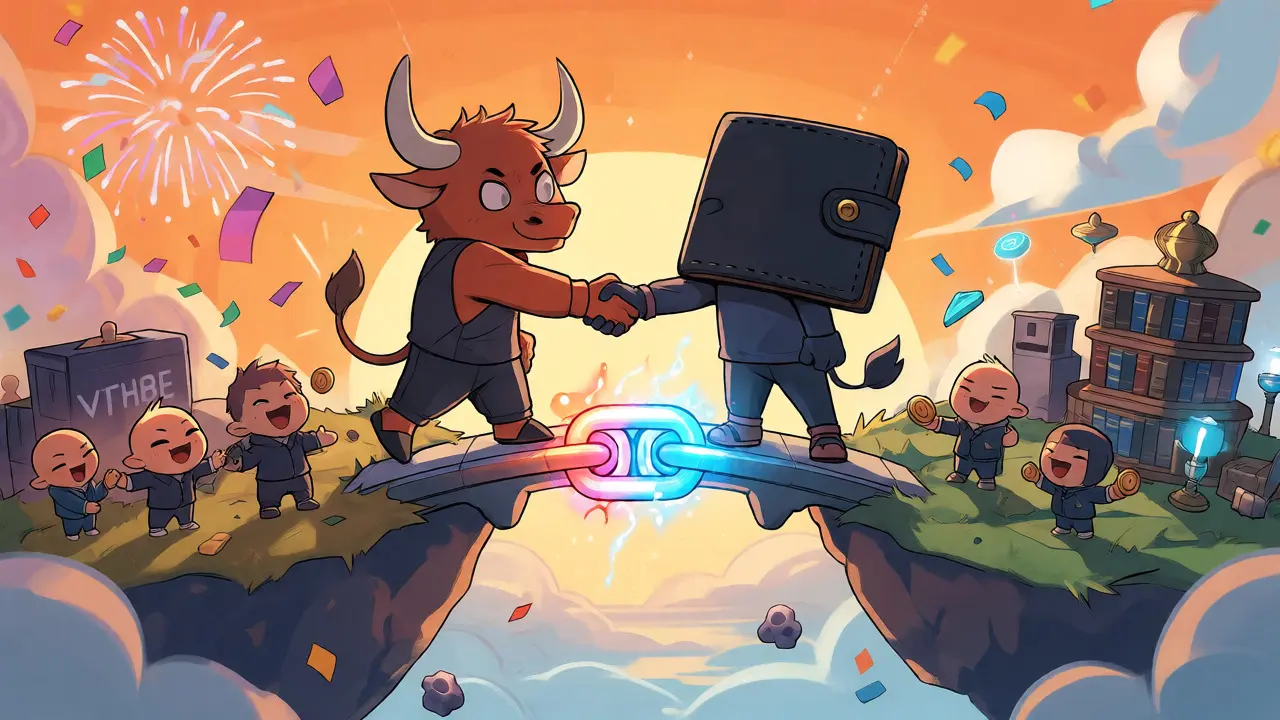
Tokenomics: The Hidden Engine
If you ignore the math, you lose money. Period. Successful memecoins in 2026 use sophisticated tokenomics to manage supply and demand. Here is what works:
- Deflationary Burns: Removing tokens from circulation permanently increases the value of remaining tokens if demand stays constant.
- Staking Rewards: Paying users to lock up their tokens reduces sell-side pressure and encourages long-term holding.
- Governance Rights: Giving holders a vote on future developments fosters a sense of ownership and community loyalty.
- Cross-Chain Interoperability: Using open APIs to allow interaction with other blockchains expands the user base and utility.
Projects like MoonBull leverage referral incentives to expand their advocate base organically. Instead of paying influencers huge fees for temporary spikes, they reward users for bringing in friends. This creates network effects that are harder to disrupt because the community grows from within, not from external advertising budgets.
| Project | Primary Blockchain | Key Utility Feature | Staking/APY Model | Community Mechanism |
|---|---|---|---|---|
| Bonk (BONK) | Solana | Liquidity Layer / Medium of Exchange | Ecosystem Integration | Airdrop Revival Strategy |
| Book of Meme (BOME) | Solana | Meme Creation Platform / NFT Staking | BAYC Staking Rewards | NFT Holder Engagement |
| BullZilla (BZIL) | Ethereum | Progressive Price Engine / Burn Mechanism | High Presale APY | Structured Presale Investors |
| SLAP Token | Multi-chain | Wallet Partnership Integration | 30% APY Staking | Community Rewards Pool |
| Chill Memez ($CHIMZ) | Decentralized Framework | Token/Game Creation Tools | 150% APY Private Sale | Permissionless Access |
How to Spot the Next Winner
So, how do you filter the signal from the noise? Don't just look at the Twitter follower count. Look for these three green flags:
- Real Liquidity: Check if the token is listed on reputable DEXs and CEXs with deep order books. Thin liquidity means you can't exit without crashing the price.
- Active Development: Is the team shipping code? Regular updates, bug fixes, and new feature launches show commitment. Dead repositories mean dead projects.
- Sustainable Revenue Models: Does the project have a way to generate revenue outside of token sales? Transaction fees, licensing deals, or service charges indicate a business, not just a bubble.
Smart money investors in 2026 focus on projects that blend cultural resonance with solid fundamentals. They avoid coins that rely solely on celebrity endorsements, which fade quickly. Instead, they back communities that build tools, create content, and interact daily. The shift from speculative gambling to strategic investing is complete. If you want to thrive in this landscape, stop chasing pumps and start analyzing structures.
What makes a memecoin "successful" beyond just price gains?
Success in 2026 is defined by sustainability. This includes having real utility (like gaming platforms or payment layers), active community engagement, transparent tokenomics with deflationary mechanisms, and strategic partnerships that drive adoption. Price gains are a result of these factors, not the sole metric of success.
Why is Solana preferred for many modern memecoins?
Solana offers high processing speeds and extremely low transaction costs compared to Ethereum. This makes it ideal for memecoins, which often involve frequent trading and micro-transactions. Projects like Bonk and Book of Meme leverage this infrastructure to provide a smoother user experience, reducing friction for retail investors.
Do staking rewards really help stabilize memecoin prices?
Yes. Staking locks up a significant portion of the circulating supply, reducing the amount of tokens available for immediate sale. This decreases selling pressure, especially during volatile market periods. High APY rates during presales or early stages incentivize long-term holding, creating a more stable price floor.
Can memecoins survive without viral marketing?
Absolutely. While viral moments help initial discovery, long-term survival depends on organic community growth and utility. Projects like MoonBull use referral systems to grow their user base naturally. Relying solely on paid influencers leads to short-lived spikes followed by crashes when the marketing budget runs out.
What are the risks of investing in new memecoin presales?
Risks include smart contract vulnerabilities, lack of liquidity upon listing, and potential rug pulls if the team is anonymous. Always check for audits, verify the team's track record, and ensure the token distribution is fair. High promised APYs can sometimes be unsustainable, leading to inflationary pressure later.