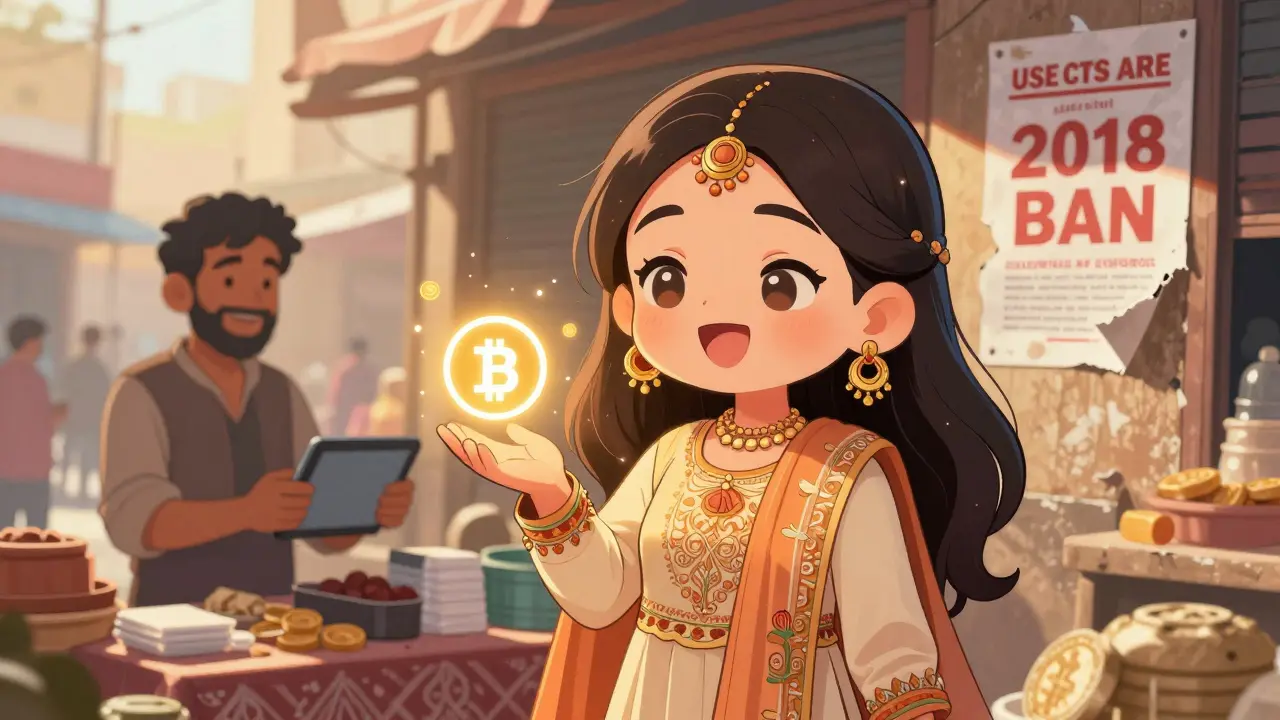
Crypto Regulation in Pakistan: What’s Legal, What’s Not, and How Traders Are Adapting
When it comes to crypto regulation in Pakistan, the legal status of cryptocurrencies is officially banned by the State Bank of Pakistan, making it illegal for banks and financial institutions to process crypto-related transactions. Also known as crypto prohibition in Pakistan, this rule was enforced in 2021 and remains active today—with no formal reversal in sight. But here’s the twist: despite the ban, thousands of Pakistanis still trade Bitcoin, Ethereum, and other coins every day. How? They’re not using banks. They’re using P2P platforms, cash meets, and encrypted apps to move money without leaving a paper trail.
The State Bank of Pakistan, the country’s central financial authority. Also known as SBP, it doesn’t just discourage crypto—it actively blocks access. Any bank account linked to a crypto exchange gets frozen. Payment processors like JazzCash and EasyPaisa are instructed to flag and shut down accounts tied to crypto activity. But the P2P crypto market, a decentralized network where people trade directly using cash or mobile wallets. Also known as peer-to-peer crypto trading, it thrives in the shadows. In cities like Karachi, Lahore, and Islamabad, you’ll find groups meeting in cafes or parks to swap cash for Bitcoin. Some even use Telegram channels to coordinate trades with strangers, avoiding any traceable digital footprint.
There’s no official tax on crypto gains in Pakistan—because the government doesn’t recognize it as legal. That means no one reports crypto income, and no one gets audited for it. But that also means no legal protection. If you get scammed on a P2P trade, you can’t go to court. If your wallet gets hacked, there’s no recovery system. And if you’re caught trading, you could face fines or even jail under the Anti-Money Laundering Act. The lack of regulation doesn’t mean freedom—it means risk without recourse.
Meanwhile, countries like Japan and South Korea have built clear rules around crypto—licensing exchanges, enforcing KYC, and protecting users. Pakistan hasn’t taken that path. Instead, it’s chosen silence and suppression. But the demand hasn’t gone away. With inflation hitting 30% and the Pakistani rupee losing value fast, people are turning to crypto not as speculation, but as survival. They’re not trying to get rich overnight. They’re trying to protect what little savings they have.
What you’ll find in the posts below isn’t a list of legal advice or government updates. It’s real stories from people who’ve navigated this gray zone. You’ll read about underground trading networks, how scams target new users, and why some Pakistani traders are switching to stablecoins like USDT to avoid volatility. You’ll see how local exchanges operate without licenses, how people use VPNs to access global platforms, and what happens when law enforcement cracks down. This isn’t theoretical. It’s happening right now—in basements, on rooftops, and in crowded bazaars across the country.